Thinking of becoming an Owner-Operator?
Get Your Free Insurance Quote
Compare quotes from top carriers in minutes
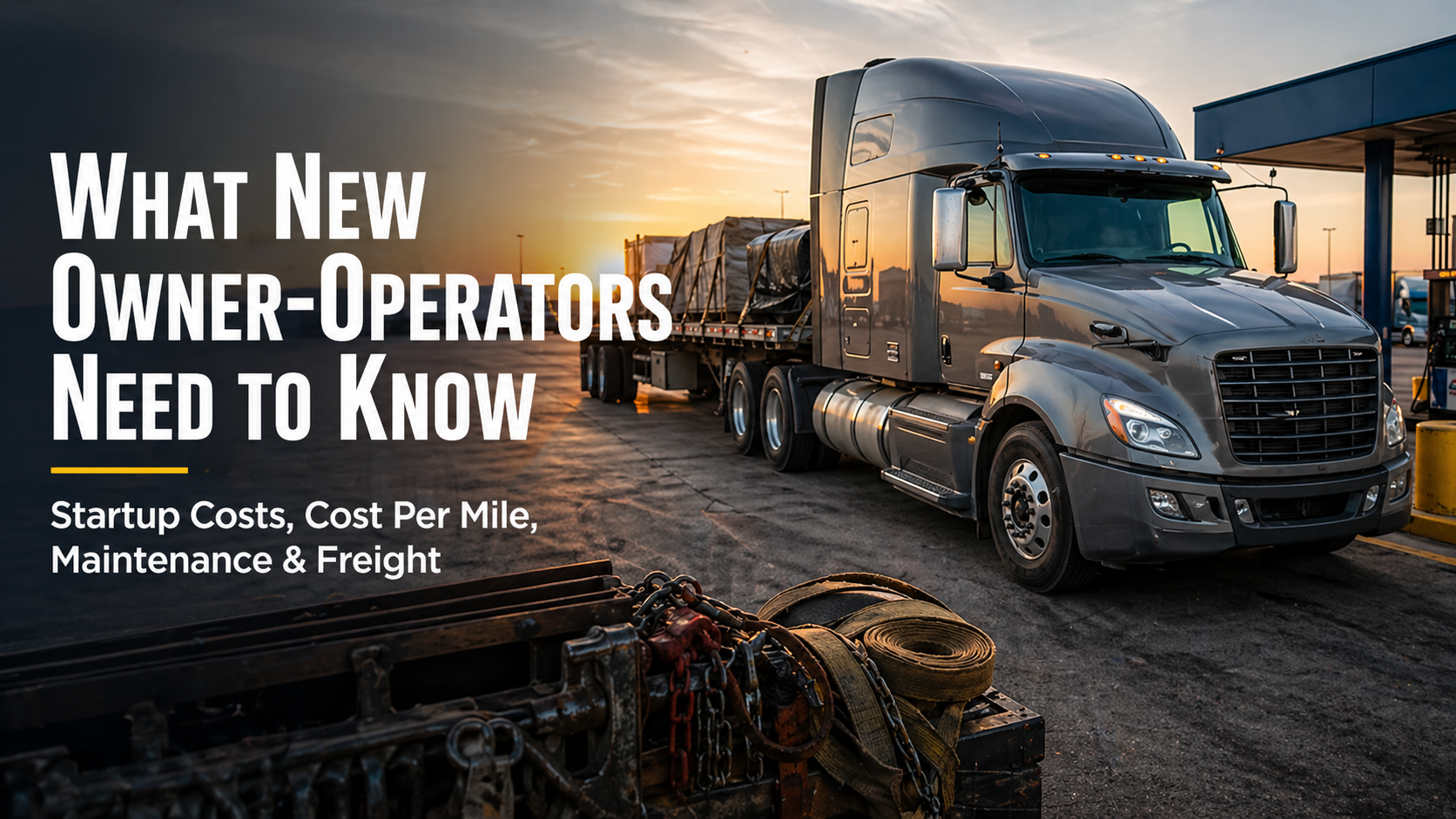
What New Owner-Operators Can Learn Before Buying Their First Truck
Becoming an owner-operator sounds simple from the outside: buy a truck, find freight, and start running.
In real life, it is a business decision with a lot of moving parts. The truck payment is only one piece. You also have fuel, tires, maintenance, insurance, downtime, slow pay cycles, freight rates, and your own living expenses.
This guide breaks down the biggest lessons new owner-operators should understand before buying a truck or moving from company driver to truck owner.
Many Truckers Do Not Start With a Perfect Plan
A lot of drivers do not enter trucking through one straight path.
Some start with buses, box trucks, local delivery, food service, construction, farming, or warehouse work. Others get into trucking after trying different careers and realizing they want more independence.
That matters because trucking rewards experience.
Even if a driver starts with a smaller truck or local route, that time can still build useful skills, such as:
- Backing and maneuvering
- Reading traffic and road conditions
- Handling customers
- Managing schedules
- Working in bad weather
- Staying calm under pressure
- Understanding how freight moves
A Class A CDL may open more doors, but the habits built before that still matter.
Company Driving Can Be a Good Training Ground
Many owner-operators start as company drivers first.
That can be a smart move because it gives drivers time to learn the road without carrying all the business risk. A company driver can gain experience with equipment, routes, shippers, receivers, fuel stops, dispatch, and maintenance issues before having to pay for everything personally.
Company driving can also help a driver figure out what type of trucking fits them best.
Some drivers like long-haul. Some prefer local or regional. Some want flatbed. Others prefer dry van, reefer, tanker, car hauling, or specialized freight.
Before buying a truck, it helps to know what kind of work you can handle every week, not just what sounds good from the outside.
Buying a Truck Is Not the Same as Starting a Business
A truck is equipment. The business is everything around it.
New owner-operators often focus on the truck first. That is understandable. The truck is exciting. It is visible. It feels like the big step.
But the truck does not make the business work by itself.
Before buying, an owner-operator needs to understand:
- Expected weekly revenue
- Fuel cost
- Truck payment
- Trailer payment, if any
- Commercial truck insurance
- Maintenance reserve
- Tire costs
- Permits and plates
- Tolls
- Factoring or payment delays
- Taxes
- Personal bills
- Home-time needs
- Emergency savings
A truck can bring in strong gross revenue and still leave the owner short if expenses are not under control.
Startup Costs Are Usually Bigger Than the Down Payment
The down payment is only the start.
A new owner-operator may also need money for fuel, repairs, insurance deposits, equipment, tools, securement gear, plates, permits, and living expenses before the first settlement comes in.
That first stretch can be stressful because money starts going out before money starts coming back in.
Common startup costs may include:
- Down payment needed to finance or purchase the truck
- Fuel money
- Insurance deposit
- Maintenance reserve. Used trucks can need repairs right away
- Securement gear. Flatbed, step deck, and specialized work need proper equipment
- Tools and supplies. Small repairs and daily upkeep add up
- Personal savings. Household bills continue even if settlements are delayed
A driver who only saves enough for the down payment may feel squeezed fast.
Leased-On vs. Own Authority: The Starting Point Matters
A new owner-operator can lease on to a motor carrier or run under their own authority.
Both paths can work, but they are different.
Leased-on owner-operator
A leased-on owner-operator usually operates under another carrier’s authority. The carrier may handle certain back-office items, dispatch, billing, compliance processes, or freight relationships depending on the lease agreement.
This can reduce some of the startup burden, but the driver still has to understand the contract, deductions, insurance responsibilities, maintenance costs, and settlement structure.
Owner-operator with own authority
Running under your own authority gives more control, but it also puts more responsibility on the business owner.
That can include finding freight, handling billing, meeting insurance requirements, managing compliance, setting up permits, and dealing directly with brokers and shippers.
Neither option is automatically better for everyone. The right choice depends on experience, finances, freight access, risk tolerance, and how much business responsibility the driver is ready to handle.
Know Your Cost Per Mile Before You Pick Loads
Cost per mile is one of the most important numbers in trucking.
It tells you what it costs to operate the truck for every mile you run. Without it, you may think a load pays well because the total number looks good. But after fuel, maintenance, insurance, truck payment, deadhead, and time, the load may not be as profitable as it looked.
A basic cost-per-mile calculation includes:
- Fixed costs
- Variable costs
- Estimated miles
- Personal pay
- Maintenance reserve
- Taxes
Fixed costs are expenses you owe whether the truck moves or not. These may include the truck payment, insurance, permits, and certain business expenses.
Variable costs change based on how much you run. These may include fuel, tires, maintenance, tolls, and repairs.
Once an owner-operator knows their real cost per mile, they can make better decisions about freight.
Revenue Is Not Profit
This is one of the biggest traps in owner-operator trucking.
A truck can generate a large settlement and still not make good money.
The problem is that trucking has high operating costs. Fuel, insurance, maintenance, tires, and repairs can eat through revenue quickly.
A new owner-operator should not judge the business by gross pay alone.
The better questions are:
- What did the truck gross?
- What did it cost to run?
- How much went into maintenance savings?
- How much is left for taxes?
- How much did the driver actually keep?
- Did the load help or hurt the weekly average?
- Was the deadhead worth it?
- Did the load position the truck for better freight?
The load with the biggest gross number is not always the best business decision.
Maintenance Freedom Comes With Maintenance Responsibility
One benefit of owning the truck is control.
If a tire looks bad, you can replace it. If something feels wrong, you can put the truck in the shop. If you want to maintain the truck ahead of schedule, you do not need to wait for a company approval process.
That freedom can help prevent bigger problems.
But it also means you pay the bill.
Owner-operators need to treat maintenance like a normal business expense, not a surprise. Repairs will happen. Tires will wear out. Parts will fail. Downtime will come.
A maintenance reserve should be part of the plan from the beginning.
The Freight Market Can Change Fast
New owner-operators should be careful about building a business plan around perfect freight conditions.
Rates can soften. Fuel can rise. Certain lanes can slow down. A favorite region may stop paying well. A shipper may change volume. A broker relationship may dry up.
The owner-operators who last tend to stay adaptable.
That can mean:
- Learning more than one freight lane
- Watching deadhead miles
- Knowing when to leave a weak market
- Being willing to run different regions
- Keeping fixed costs manageable
- Avoiding loads that only look good on gross pay
- Tracking monthly numbers, not just weekly revenue
Being picky is fine when the numbers support it. Being stuck in one lane that no longer works can become expensive.
Flatbed Work Requires More Than Driving
Flatbed can be good work, but it is not just driving from pickup to delivery.
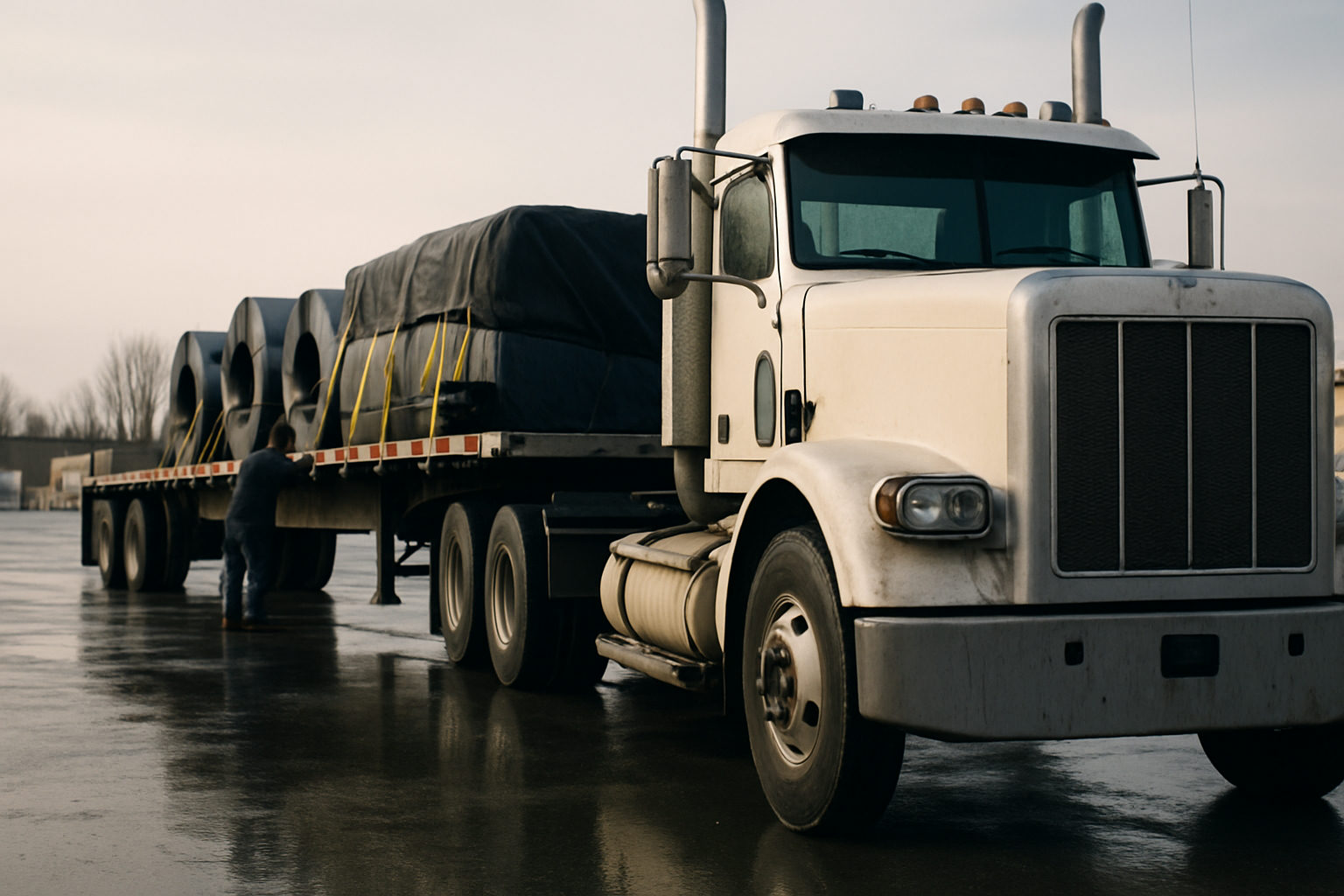
Flatbed drivers deal with securement, tarping, weather, load shape, sharp edges, jobsite conditions, and physical labor. Some loads are simple. Others take time, planning, and patience.
A flatbed owner-operator has to think about:
- Chains
- Binders
- Straps
- Tarps
- Edge protection
- Dunnage
- Load securement rules
- Weather conditions
- Tarp damage
- Physical strain
- Loading and unloading delays
A load that pays well may still be hard on the driver, the equipment, or the schedule.
That does not mean flatbed is a bad choice. It means drivers should understand the full job before jumping in.
Protecting Equipment Matters
Flatbed equipment is expensive to replace.
Tarps, chains, binders, straps, edge protectors, tools, and boxes can add up fast. Theft, damage, and poor storage can turn into real money lost.
Owner-operators should think about how they secure their equipment when parked, especially overnight.
Simple habits can help:
- Lock toolboxes
- Secure tarps
- Keep valuable gear out of easy view
- Park in better-lit areas when possible
- Do a walkaround before leaving
- Check gear after overnight parking
- Replace damaged securement equipment before it becomes unsafe
Equipment care is part of protecting the business.
Health Has to Be Part of the Plan
Trucking can wear on the body.
Long driving days mean long hours sitting. Food choices on the road are not always great. Sleep can be inconsistent. Flatbed adds physical labor, but even flatbed drivers can spend most of the day behind the wheel after loading.
Drivers do not need a perfect fitness plan to improve their health.
Small habits help:
- Walking after parking
- Packing some meals
- Drinking more water
- Stretching before and after tarping
- Taking extra steps during downtime
- Avoiding heavy meals before driving
- Getting real rest during resets when possible
A truck cannot make money if the driver is burned out, sick, or too worn down to work safely.
Home Time Is Not Always Rest
A 34-hour reset at home can disappear fast.
Laundry, errands, cleaning, family responsibilities, paperwork, truck maintenance, and sleep can take up the whole break. Before the driver knows it, it is time to leave again.
Owner-operators need to treat recovery seriously.
That may mean planning home time better, scheduling maintenance ahead, keeping paperwork organized during the week, or taking a longer break when the body and mind need it.
Home time should not only be used to catch up on chores. Drivers need time to feel like people, not just truck operators.
A Support System Helps More Than People Think
Trucking can be lonely, especially for new owner-operators.
Having experienced people to ask questions can make a big difference. That may be another owner-operator, a trusted mechanic, an accountant, a dispatcher, a safety consultant, an insurance agent, or a carrier with a solid support system.
The goal is not to have someone make every decision for you.
The goal is to avoid learning every lesson the expensive way.
Good support can help with:
- Understanding settlements
- Reviewing truck costs
- Finding repair options
- Comparing insurance needs
- Understanding freight lanes
- Avoiding bad contracts
- Planning for taxes
- Making better maintenance decisions
A new owner-operator should still think independently, but they do not have to figure out everything alone.
Insurance Should Match the Operation
Commercial truck insurance is not one-size-fits-all.
Coverage needs depend on how the truck is used, what freight is hauled, whether the driver is leased on or under their own authority, where the truck runs, what contracts require, and what equipment is owned or financed.
Common coverage areas may include:
- Auto liability
- Physical damage coverage
- Motor truck cargo insurance
- Non-trucking liability
- Trailer interchange
- General liability
- Occupational accident coverage
- Workers’ compensation, depending on the business setup and state rules
A leased-on owner-operator may have different insurance responsibilities than a motor carrier with its own authority. Contract requirements can also vary.
Drivers should review coverage with an insurance professional who understands trucking, not just buy the cheapest policy and hope it fits.
Common Mistakes New Owner-Operators Make
Buying the truck before knowing the numbers
A nice truck does not fix weak math. Know the business model first.
Running based on gross revenue only
High gross does not always mean strong profit.
Not saving for maintenance
Repairs are not rare in trucking. They are part of the business.
Forgetting about pay delays
Settlement timing can create cash flow problems, especially early on.
Ignoring cost per mile
Without cost per mile, load decisions are mostly guesswork.
Staying in a bad lane too long
Some markets stop working. Owner-operators need to adapt.
Underestimating physical demands
Flatbed, food service, local delivery, and specialized freight can be hard on the body.
Buying coverage without understanding it
A cheap insurance policy can become expensive if it leaves a serious gap.
Owner-Operator Readiness Checklist
Before buying a truck, ask these questions:
- Do I know my fixed monthly costs?
- Do I know my estimated cost per mile?
- Do I have money set aside beyond the down payment?
- Can I handle repairs before the first strong settlement?
- Do I understand my insurance responsibilities?
- Do I know whether I want to lease on or run my own authority?
- Do I understand the freight I plan to haul?
- Do I have a maintenance reserve?
- Do I have a plan for taxes?
- Do I know what lanes or regions I want to run?
- Do I have someone experienced I can ask for help?
- Can my personal bills survive a slow month?
- Am I prepared for downtime?
If too many answers are unclear, it may be better to slow down and build the plan before signing for a truck.
Frequently Asked Questions
Final Takeaway
Owner-operator trucking is not just about owning a truck. It is about running a business.
The drivers who give themselves the best chance usually know their numbers, plan for repairs, protect their cash flow, understand their insurance needs, and stay flexible when the freight market changes.
The freedom can be real, but so is the responsibility.
Continue reading
- Commercial truck insurance
- Compare truck insurance quotes
- Flatbed Truck Insurance Massachusetts: What It Costs
- Autonomous Truck Insurance Costs After the Beacon Rule: A Cost Drivers Guide
- Autonomous Truck Warning Beacon Insurance Liability
- Coverages we offer for owner-operators & fleets
- Common questions about trucking insurance
Ready to compare rates? Get a free trucking insurance quote from carriers built for insurance tips.
Ready to Get Started?
Get personalized insurance quotes tailored to your business