Thinking of becoming an Owner-Operator?
A practical guide for new owner-operators covering startup costs, cost per mile, maintenance, freight markets, insurance, health, and common mistakes before buying a truck.
Expert insights on trucking insurance, regulations, and industry trends

A practical guide for new owner-operators covering startup costs, cost per mile, maintenance, freight markets, insurance, health, and common mistakes before buying a truck.

Starting a trucking company takes more than knowing how to drive. This guide breaks down seven costly mistakes new owner-operators and small fleets should avoid, including poor cost tracking, weak cash flow, bad equipment decisions, insurance gaps, and load board mistakes.

Florida truck insurance minimums by weight: $50K to $300K intrastate under statute 627.7415, plus federal rules for interstate carriers in 2026.

Texas truck insurance minimums explained: $500K intrastate, $750K to $5M interstate, Form E filings, and what your operation actually needs in 2026.

What a $100,000 motor truck cargo policy costs in 2026, the factors that move your premium, and how to keep reefer and high theft loads affordable.

Farm trucks often cost less to insure, but FMCSA exemptions have limits. When farm plates are enough, and when hauling triggers commercial coverage.
Everything owner-operators and fleets need to know about the MCS-150 Motor Carrier Identification Report — what it is, when to file, biennial updates, and how it affects your DOT authority.

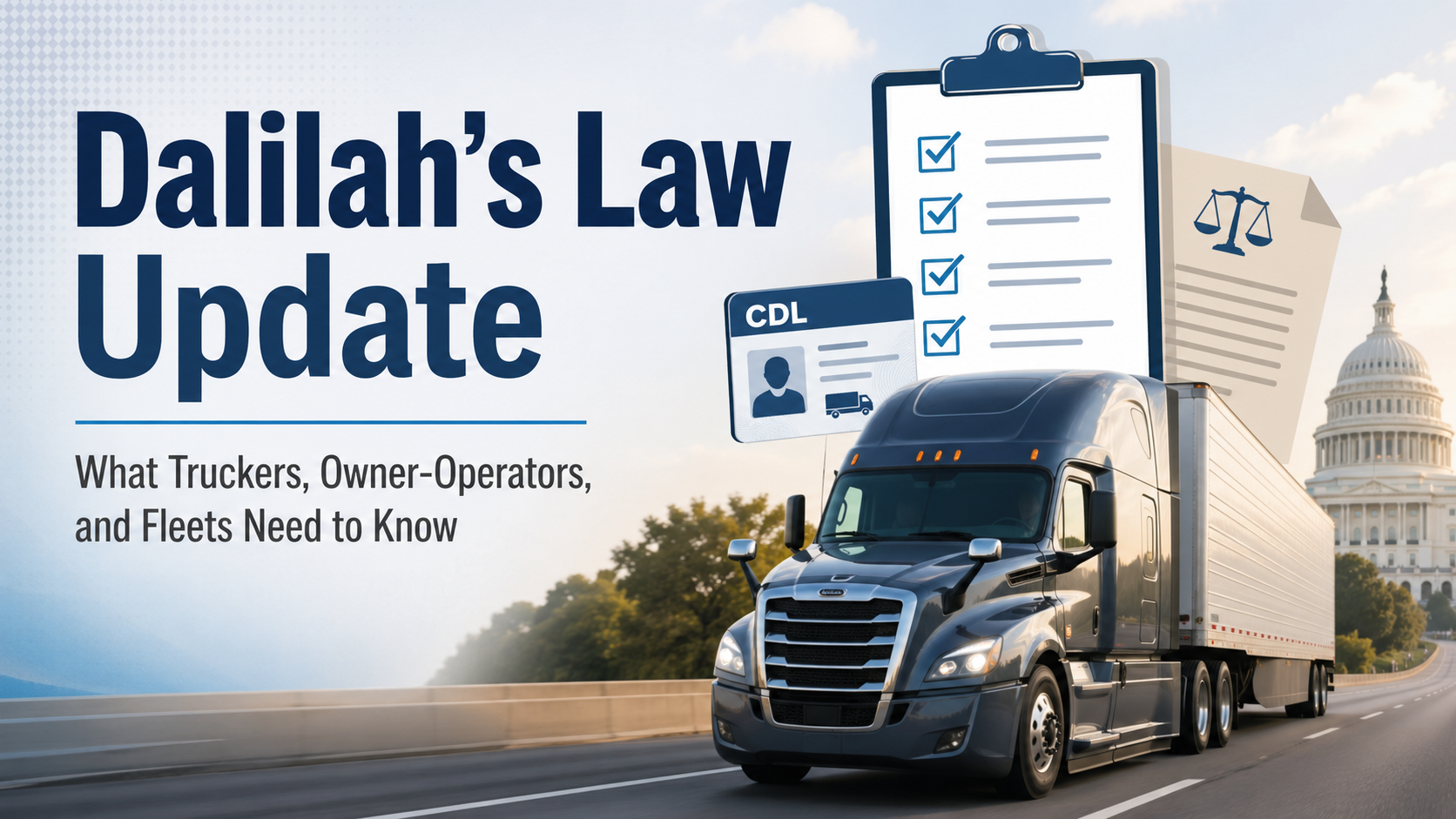
Dalilah’s Law could affect CDL eligibility, English-only testing, non-domiciled CDLs, foreign dispatch services, and carrier compliance. Truckers, owner-operators, and fleets should double-check current FMCSA, state, legal, and insurance requirements before taking action.

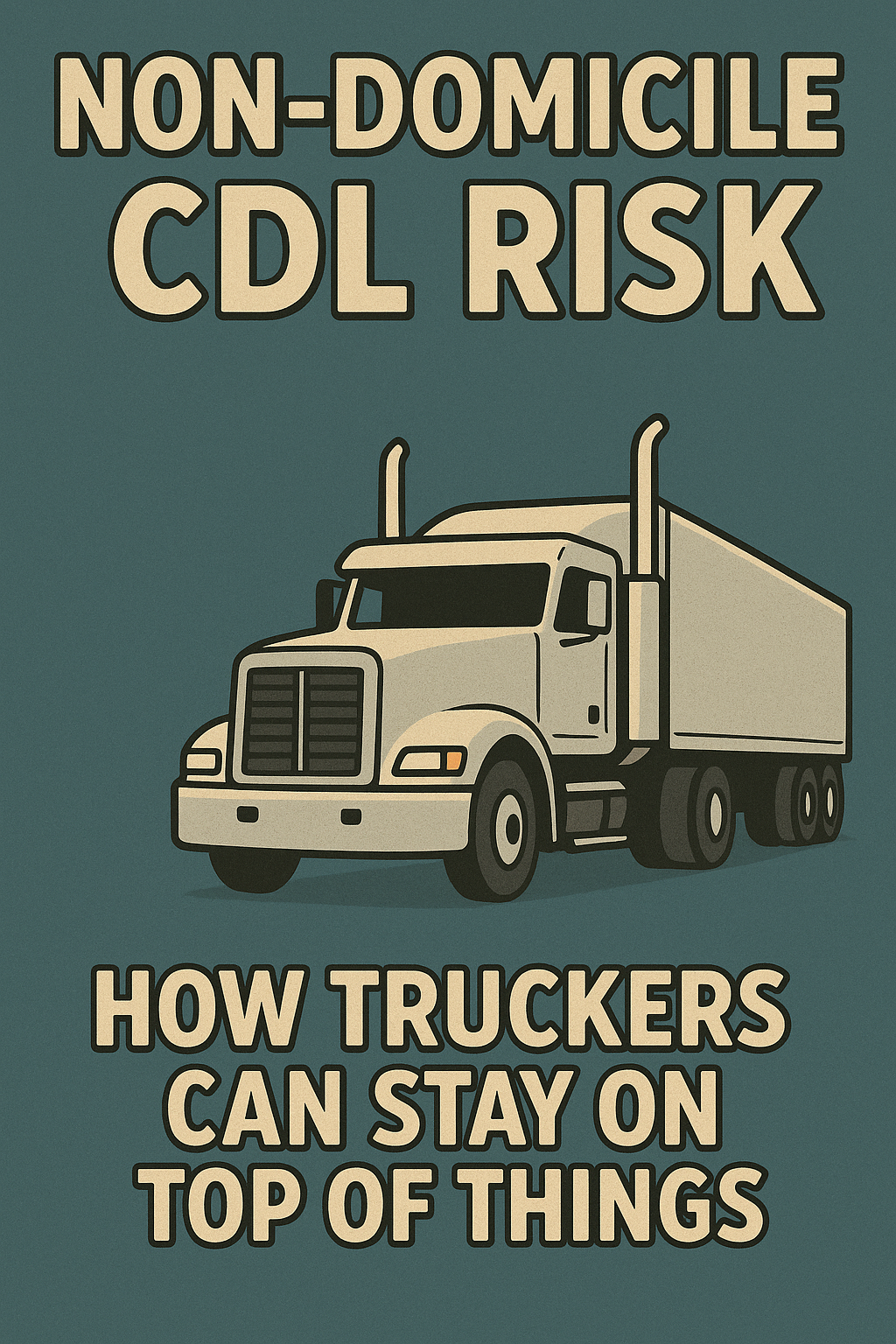
Highway has rolled out a feature that lets brokers identify carriers where the account owner is a non-domiciled CDL holder or has a limited-term CDL. Some license categories are now being viewed as a risk factor by brokers, lenders and insurers.

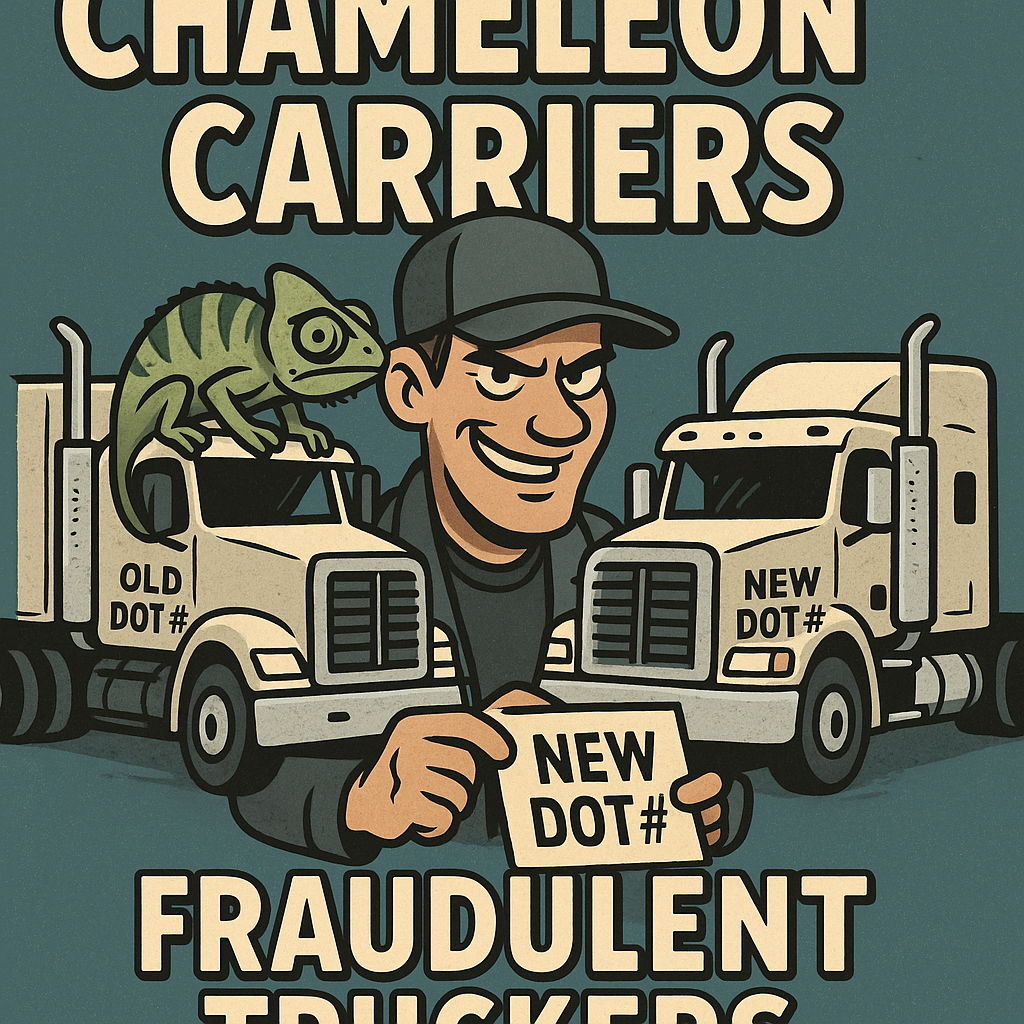
A leaked DOT memo recommends that the department adopt a data driven methodology to identify and disrupt chameleon carriers. The approach will collect key data points that point to fraudulent identity changes and feed them into a scoring matrix to identify high-risk carriers.