Trucking Insurance in Charleston SC: What It Actually Costs
Get Your Free Insurance Quote
Compare quotes from top carriers in minutes
If you're hauling out of the Port of Charleston or running local routes around the Lowcountry, trucking insurance in Charleston SC starts with the same federal minimum liability as any interstate carrier, plus coverage that matches your equipment and freight. Most Charleston-area owner-operators end up carrying $1,000,000 in primary liability, motor truck cargo coverage sized to their loads, and physical damage if the truck is financed. What changes the price is your equipment type, radius, freight value, and how long you've held your authority.
As a rough illustration, primary liability alone for a single dry van truck with a clean driving record often falls somewhere in the $9,000 to $12,000 per year range before cargo and physical damage are layered on. Treat that as a ballpark for comparison, not a quote, since your actual number depends heavily on your equipment, radius, and driving history.
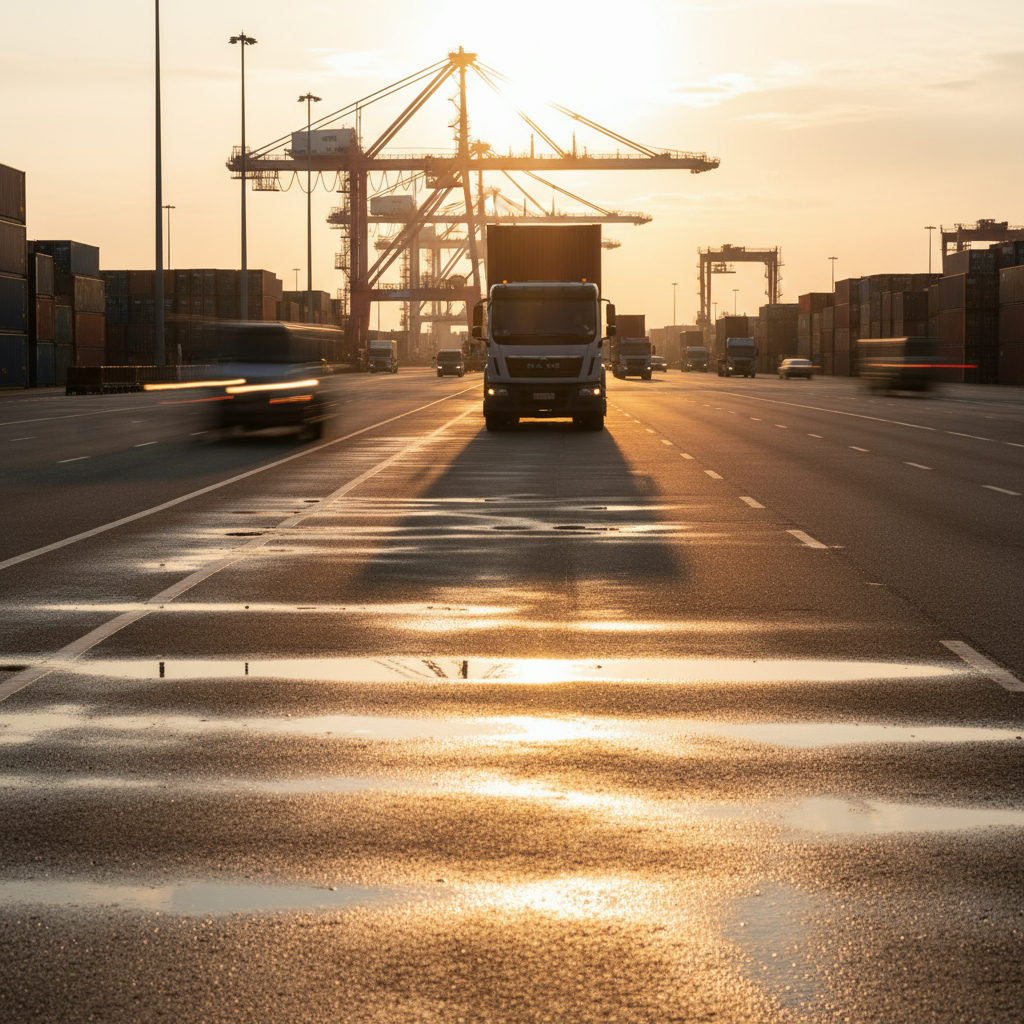
Charleston's trucking scene is different from a lot of the Southeast because so much of it ties back to the port. That means more drayage, more container work, and more short-haul runs mixed in with long-haul reefer and flatbed work heading up I-26 and I-95. Insurers price that mix differently than they'd price a pure long-haul dry van operation.
What insurance do I need to run trucks in Charleston SC?
You need primary liability insurance that meets federal minimums, plus any coverage your freight, lender, or broker requires. For interstate carriers hauling general freight at 10,001 lbs GVWR or more, the FMCSA minimum is $750,000 in public liability, but in practice almost every shipper and broker requires $1,000,000, so that's the real working number. If you're hauling oil or many hazardous materials, the federal floor jumps to $1,000,000, and bulk explosives, poison gas, or hazardous substances require $5,000,000. You can confirm these figures directly at fmcsa.dot.gov or in 49 CFR Part 387, and it's worth double checking with FMCSA or South Carolina's Department of Insurance before you bind anything, since requirements can shift and your specific freight class matters.
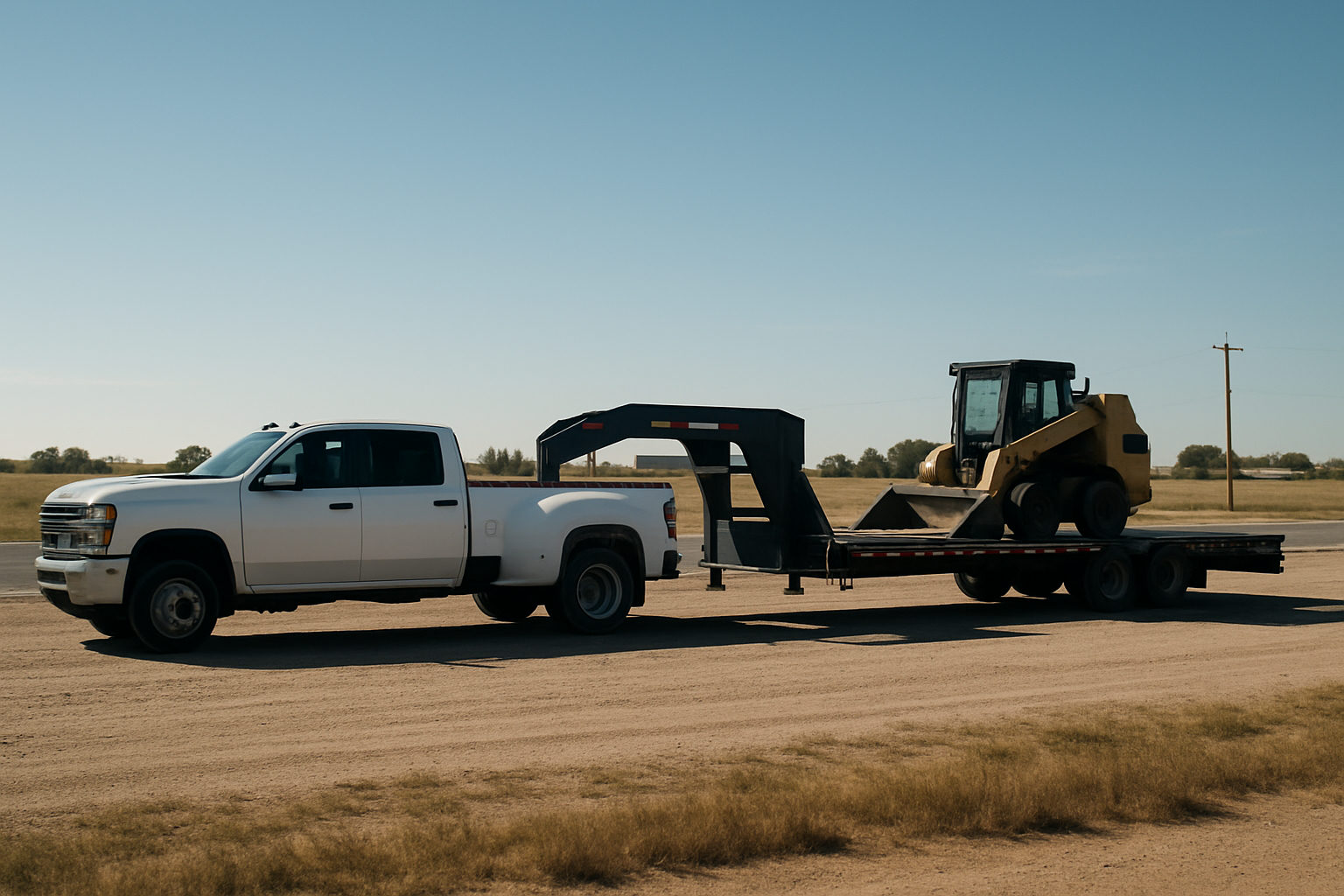
Beyond primary liability, most Charleston operators also carry motor truck cargo coverage, which protects the freight you're hauling, and physical damage coverage if your truck or trailer is financed. If you lease your truck to a carrier but sometimes run under your own authority, you'll also need non-trucking liability for the miles you drive without a load dispatched under someone else's operating authority. If your lanes run south into Georgia freight, our South Carolina trucking insurance page and Georgia trucking insurance page both walk through state-specific requirements side by side.
Why does trucking insurance cost more for port and drayage work?
Port and drayage work often costs more to insure because of tight turning radiuses, congested yards, frequent short trips, and higher claim frequency in container terminals. It's not that the freight itself is riskier in value, it's that the driving conditions around ports create more fender-benders and cargo handling incidents. If most of your work is container drayage in and around the Charleston terminals, expect your quote to reflect that exposure differently than a carrier running long, straight highway miles.
Reefer and flatbed loads moving out of Charleston toward Georgia or up through the Carolinas carry their own pricing factors too, mostly tied to cargo value and the equipment's exposure to theft, spoilage, or load securement claims. If you're new to authority, expect your first-year rates to run higher regardless of equipment type. Carriers weigh safety history heavily, and a brand new MC number simply doesn't have one yet.
How much does trucking insurance cost in South Carolina?
Pricing varies enough by equipment type, radius, and driving history that a single number for "Charleston trucking insurance" isn't useful. Instead, here's an illustrative estimate of how primary liability premiums for a single-truck owner-operator with a clean record tend to stack up by equipment type. These figures are ballpark ranges for comparison only, not quotes, and they don't include cargo or physical damage coverage layered on top:
| Equipment Type | Illustrative Annual Primary Liability (single truck, clean record) | Why It's Priced This Way |
|---|---|---|
| Dry van, long-haul | $9,000-$12,000/year | Fewer theft and spoilage claims, predictable highway miles |
| Reefer | $11,000-$15,000/year | Cargo spoilage risk plus the added value of the refrigeration unit |
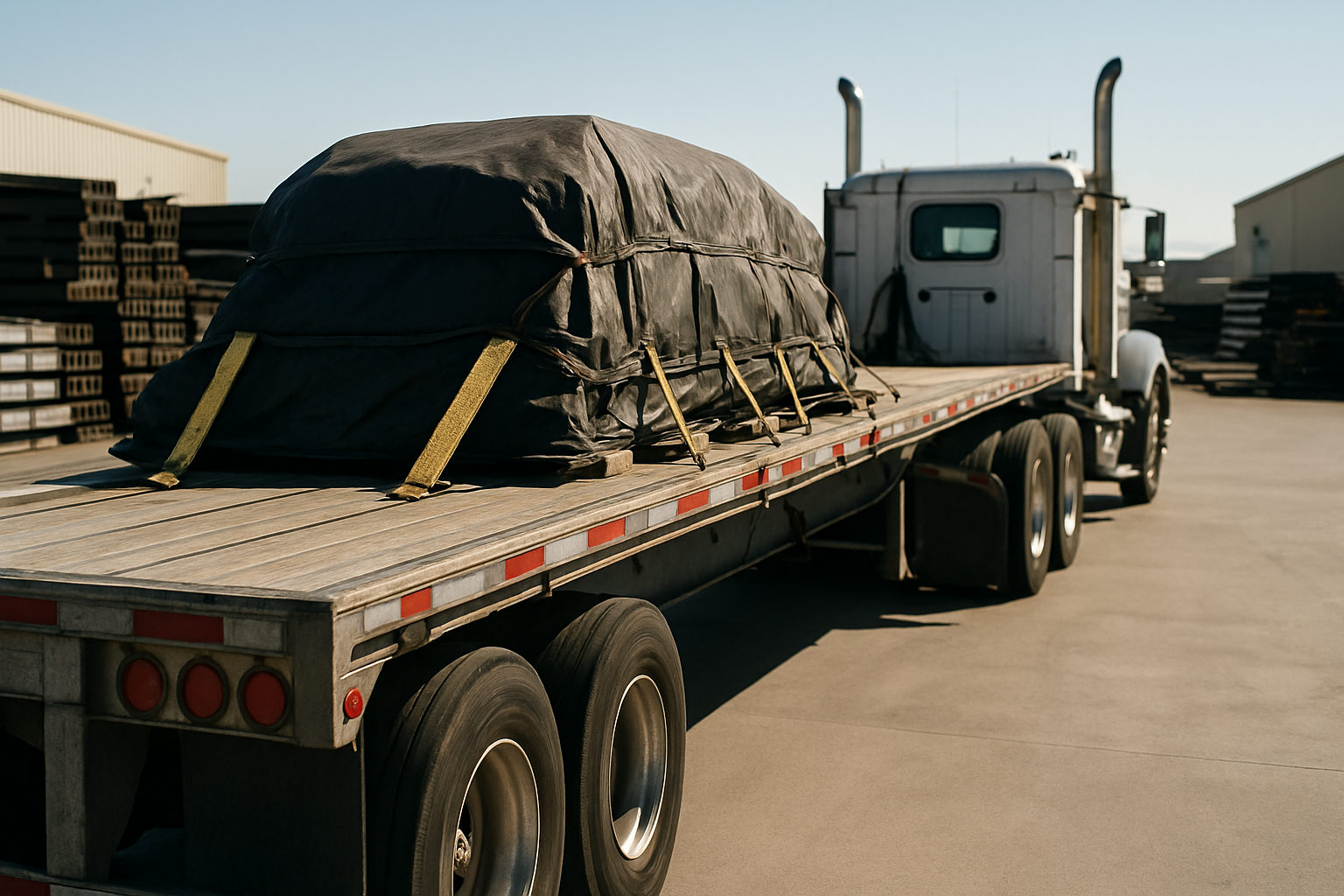
| Flatbed | $12,000-$16,000/year | Load securement claims and cargo exposure during loading and unloading |
| Drayage/container (port work) | $13,000-$18,000/year | Congested terminal traffic, tight turns, and higher claim frequency |
Based on general underwriting patterns we've seen, this order tends to hold, though the actual dollar figures move a lot based on driving record, years of experience, equipment age, and radius of operation. Treat any number you see online, including these, as a starting point for comparison rather than a quote for your truck.
| Coverage Type | What It Covers | Typical Minimum |
|---|---|---|
| Primary Liability | Bodily injury and property damage to others | $750,000 federal floor, $1,000,000 common requirement |
| Motor Truck Cargo | Freight damage or loss while in your care | Commonly requested minimums, varying by freight value and shipper contract |
| Physical Damage | Damage to your own truck or trailer | Set by lender or truck value |
| Non-Trucking Liability (Bobtail) | Covers a leased owner-operator's truck when it's off-dispatch and being used for personal, non-business purposes (not covered by the motor carrier's policy) | Typically written at a standard $1,000,000 combined single limit, regardless of the primary liability limit, per FreightWaves Checkpoint |
| Trailer Interchange | Damage to a trailer you're pulling under interchange agreement | Varies by trailer value |
A quick worked example
Say you run a dry van out of North Charleston, five years of clean driving history, and you're adding motor truck cargo coverage on top of primary liability. Using the illustrative dry van range above, your primary liability might land around $10,000 for the year. Cargo coverage sized to a typical dry van load could add another $1,500 to $3,000 depending on the freight value your shipper contracts require, and physical damage on a financed truck could add more depending on the truck's value and deductible. Stack those together and a total annual premium somewhere in the $12,000 to $16,000 range wouldn't be unusual for that profile, though your own quote could land higher or lower depending on radius, safety record, and how many years you've held authority. If you split time between port drayage and inland dry van runs, expect the insurer to weight your quote toward whichever type makes up most of your mileage.
How does drayage pricing compare to inland freight?
Since so much Charleston trucking work touches the port in some way, it helps to break down what actually drives the price gap between drayage and inland freight beyond just the equipment. Terminal wait times mean more idling and more opportunity for minor collisions in tight lots. Chassis handling introduces its own claims history separate from the tractor itself. And because drayage runs are short and repetitive, insurers see more frequency even if the severity per claim is lower than a highway rollover. If you split your week between port pulls and longer inland runs, some carriers will price the whole operation based on your dominant use, so it's worth asking how a prospective insurer classifies mixed operations before you assume your rate will land in the pure drayage band or the pure inland band.
New authority carriers based in Charleston should also expect underwriters to ask pointed questions about how much of their freight is drayage versus long-haul, since that mix changes the risk picture materially. Being specific and accurate here, rather than rounding toward whichever answer you think sounds cheaper, tends to get you a more stable renewal down the line.
How does radius and mileage affect the price?
Radius of operation is one of the bigger levers underwriters use, and it's often overlooked by owner-operators focused mainly on equipment type. A truck running a 150-mile radius around Charleston looks different on paper than one running long-haul lanes up the Eastern Seaboard, even with the same trailer type. Shorter radius, local work tends to mean more starts and stops and more exposure to urban traffic, which can push pricing up in some cases even though total annual mileage is lower. Long-haul highway miles, by contrast, come with more exposure hours on the road but fewer of the stop-and-go incidents that tend to generate smaller claims. When you request a quote, be ready to give an honest estimate of both your typical radius and your annual mileage, since guessing low on either one can create problems at renewal or claim time.
What documents do I need before I can get a quote?
You'll move faster if you have your MC number, driver's license, truck VIN, and a rough idea of your annual mileage and freight type ready before you call or fill out a quote form. If you're brand new to trucking authority, you'll also want to know your planned radius of operation and whether you'll run solo or add drivers soon. Brokers use this to compare quotes across carriers instead of guessing, which usually gets you a tighter, more accurate number faster.
If you're setting up new authority, you'll also need a BMC-91 filing, which proves to FMCSA that you carry the required liability coverage. A broker can usually handle that filing for you once your policy is bound, so you don't have to track down the paperwork yourself.
Frequently Asked Questions
Continue reading
- Commercial truck insurance
- Compare truck insurance quotes
- Pickup Truck Insurance Online Quote: What You Need First
- Pickup Truck Insurance: Personal vs Commercial Coverage Guide
- Commercial Auto Fleet Insurance Illinois: What It Costs
- Coverages we offer for owner-operators & fleets
- Common questions about trucking insurance
Ready to compare rates? Get a free trucking insurance quote from carriers built for insurance tips.
Ready to Get Started?
Get personalized insurance quotes tailored to your business