Hot Shot Insurance in Abilene TX: Cost and Requirements
Get Your Free Insurance Quote
Compare quotes from top carriers in minutes
A basic hot shot insurance package for an Abilene, TX operator, with $1,000,000 in liability, motor truck cargo, physical damage, and non-trucking liability, commonly runs $600 to $1,700 a month, based on a 2026 industry rate estimate from Logrock. That figure is a general market estimate published in 2026, not a quote, so treat it as a starting point rather than a guarantee. Your actual number depends on your driving record, years of authority, and equipment, and the coverage you need comes down to three things: whether you cross state lines, what you are hauling, and how much your truck and trailer are worth.
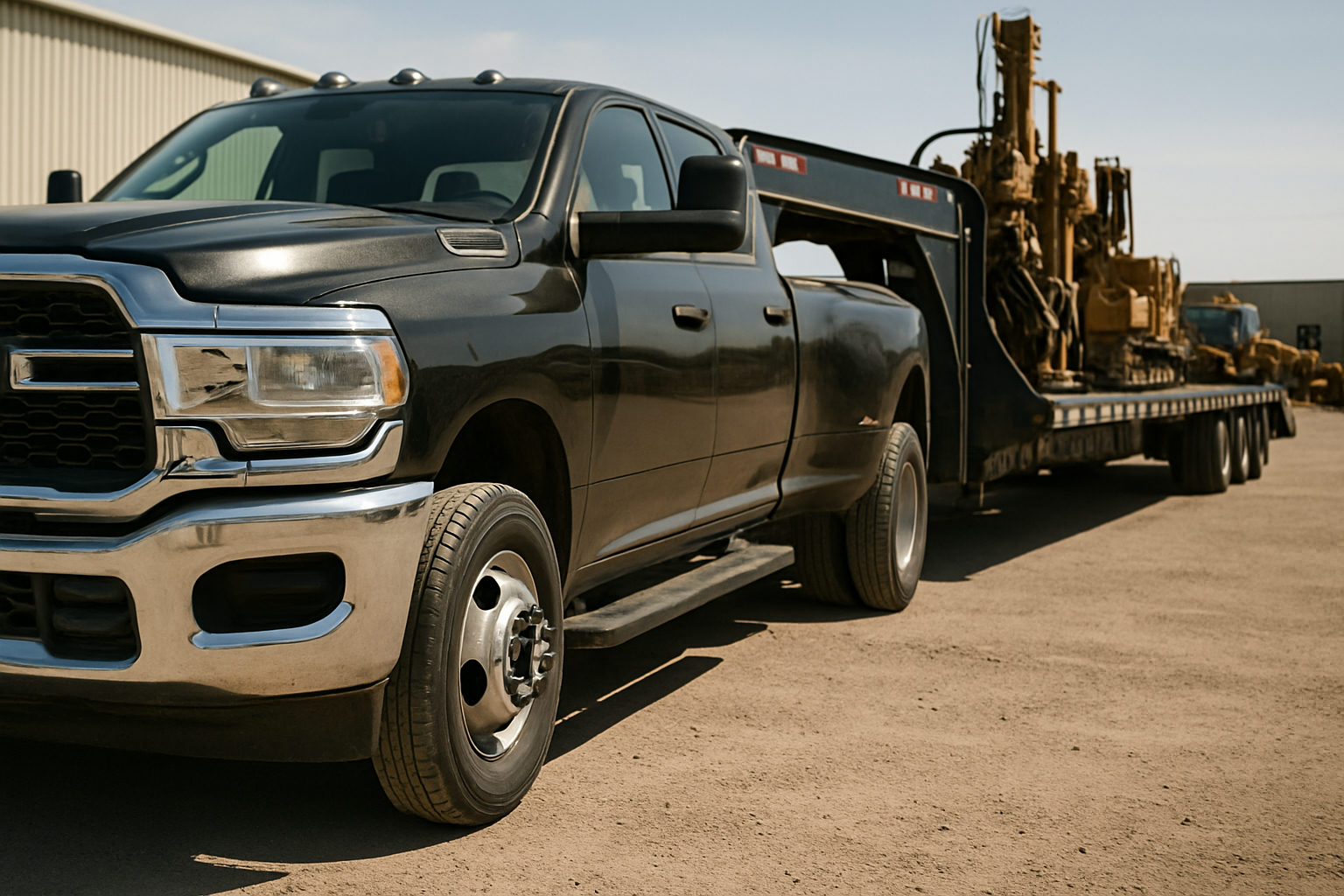
Abilene sits in the middle of a lot of West Texas oilfield and ag freight, which means a fair number of local hot shot operators are hauling equipment, pipe, or machinery on flatbeds and dovetails rather than dry van freight. In the Permian Basin corridor around Abilene and Midland-Odessa, it is common to see gooseneck flatbeds and dovetail trailers, paired with a one-ton truck, carrying a combined equipment value somewhere between $80,000 and $200,000 depending on age and payload, a rough range based on typical listings for this class of rig rather than a formal survey. That changes your cargo insurance needs and, in some cases, your liability exposure. Below is what actually matters for someone running out of Abilene, not a generic national explainer.
What does hot shot insurance cost for an Abilene operator?
Cost depends mainly on your radius of operation, cargo type, and truck value, and West Texas oilfield hauling tends to price higher than general freight because of the equipment values involved. A new-authority owner-operator hauling general freight within 500 miles of Abilene will typically see lower rates than someone running oilfield service equipment or heavy machinery on a gooseneck.
For a broader breakdown of what drives hot shot premiums nationally, including truck class and coverage limits, see our hot shot insurance cost guide. The short version for Abilene: for flatbed and equipment-hauling setups, expect a cargo insurance limit of at least $100,000, the standard minimum most brokers and shippers require, with higher limits, often $250,000 or more, needed for high-value or specialized loads, according to InsuranceHub (current as of May 2026).
A worked example: two Abilene hot shot setups
Consider two owner-operators running out of Abilene. The first hauls general commodities within a 300-mile radius, using a one-ton pickup and 20-foot gooseneck trailer valued around $60,000 combined. With three years of clean authority, this operator might land on the lower end of the $600 to $1,700 monthly range, since low-value equipment and a short radius keep premiums down.
The second operator hauls oilfield service equipment and heavy machinery on a 40-foot flatbed dovetail, with a truck and trailer combination valued near $150,000, closer to the top of the typical Permian Basin equipment range, running statewide across Texas and into New Mexico. New authority, higher equipment value, and cross-state hauling all push this setup toward the higher end of the range, and cargo limits above the $100,000 minimum are likely necessary given the value of what is being hauled.
What coverage do you actually need to haul hot shot loads out of Abilene?
At minimum you need primary liability that meets federal requirements, plus motor truck cargo insurance if you are hauling for hire. Physical damage and non-trucking liability are optional but strongly recommended if you have a loan on your truck or drive it for personal use between loads.
| Coverage type | Typical limit for hot shot ops | Why it matters in Abilene |
|---|---|---|
| Primary liability | $750,000 to $1,000,000 | Federally required for interstate hauling over 10,001 lbs GVWR; most shippers and brokers want $1,000,000 |
| Motor truck cargo | $100,000 minimum, higher for high-value loads | Covers freight, tools, or equipment you are hauling for a customer |
| Physical damage | Actual cash value of truck and trailer | Protects your own rig, important if it is financed |
| Non-trucking liability | Matches primary liability limit | Covers you when driving under your own authority but not dispatched on a load |
| Trailer interchange | Value of trailer | Needed if you regularly pull a trailer you do not own |
The $750,000 federal minimum applies to general freight moved in interstate commerce with a gross vehicle weight rating of 10,001 pounds or more, under 49 CFR Part 387. In practice, most brokers and shippers require $1,000,000, so that is the number to plan around even though it is not the legal floor. For a full walkthrough of the coverage types hot shot carriers ask for, our hot shot insurance requirements page breaks it down by equipment type. Confirm current limits with FMCSA or your state department of insurance before you bind a policy, since requirements can shift.
What factors move your Abilene hot shot insurance rate the most?
- Years of authority: New authorities under two years old typically pay more until they build a claims history.
- Radius of operation: A 300-mile radius around Abilene prices differently than statewide or multi-state operation.
- Equipment value: Physical damage premiums track the actual cash value of your truck and trailer, and Permian Basin equipment values tend to run higher than the national average for this truck class.
- Cargo type: Oilfield equipment, machinery, and specialized loads often need higher cargo limits than general freight.
- Driving record and CDL history: Violations and accidents in the past three years raise your rate more than almost any other factor.
Does it matter if you run intrastate versus interstate out of Abilene?
Yes, and this trips up a lot of new operators. If you only haul within Texas and never cross a state line, you may fall under Texas intrastate motor carrier rules rather than federal interstate authority, and the paperwork and minimum coverage can differ. Abilene's location makes this a real question, since a lot of oilfield and construction hauling in the Permian Basin and surrounding counties stays entirely within Texas.
If you run interstate, even occasionally, you generally need federal operating authority (an MC number) and the insurance filings that go with it, including a BMC-91 or BMC-91X filing that your insurer submits to FMCSA on your behalf. If you are strictly intrastate, Texas has its own registration and insurance rules through the Texas Department of Motor Vehicles that run alongside, not instead of, basic liability requirements. This distinction is worth getting right before you sign your first load, because switching from intrastate to interstate mid-year usually means new filings and sometimes a new policy structure. We covered similar Texas-specific filing questions in our Tyler TX commercial truck insurance requirements guide and our broader Texas commercial truck insurance requirements guide, both useful references if you split time between intrastate and interstate lanes.
What happens if your insurance lapses while you are on the road?
A lapse means you lose your ability to legally operate under your authority, and FMCSA gets notified almost immediately. Trucker Path Insurance tracked 47,234 FMCSA insurance cancellation filings nationwide between April 6, 2026 and May 25, 2026. That is a large number of carriers who let coverage lapse or switched policies without a clean handoff, and every one of those filings puts an authority at risk of deactivation until new proof of insurance is on file.
For a hot shot operator in Abilene, a lapse is especially costly because a lot of West Texas oilfield and industrial customers require proof of current insurance before dispatching a load, and some brokers will pull your authority from their approved list after even a short gap. If you are switching carriers or renewing, line up the new policy's effective date before canceling the old one so there is no gap in your BMC-91 filing.
How do you find hot shot insurance if you are new to authority?
Start with a broker who can compare multiple carriers at once, since new-authority operators often get declined or quoted high rates by carriers that specialize in established fleets. A broker who handles FMCSA filings directly can also save you a step, since the BMC-91 filing has to be submitted correctly and on time or your authority stays inactive.
If you are researching coverage across state lines, or thinking about expanding beyond Texas, our state-by-state trucking insurance guide is a good starting point for understanding how requirements shift once you cross into neighboring states. For general background on how hot shot insurance works, including what separates it from standard trucking coverage, see our hot shot insurance overview.
Frequently Asked Questions
Continue reading
- Hotshot truck insurance
- Compare truck insurance quotes
- DOT Blitz Week 2026: Dates and What It Costs
- New Kensington PA Commercial Truck Insurance Coverage
- Autonomous Truck Insurance: Roadside Inspection Requirements 2026
- Coverages we offer for owner-operators & fleets
- Common questions about trucking insurance
Ready to compare rates? Get a free trucking insurance quote from carriers built for trucking regulations.
Ready to Get Started?
Get personalized insurance quotes tailored to your business