Texas Commercial Truck Insurance Requirements 2026
Get Your Free Insurance Quote
Compare quotes from top carriers in minutes
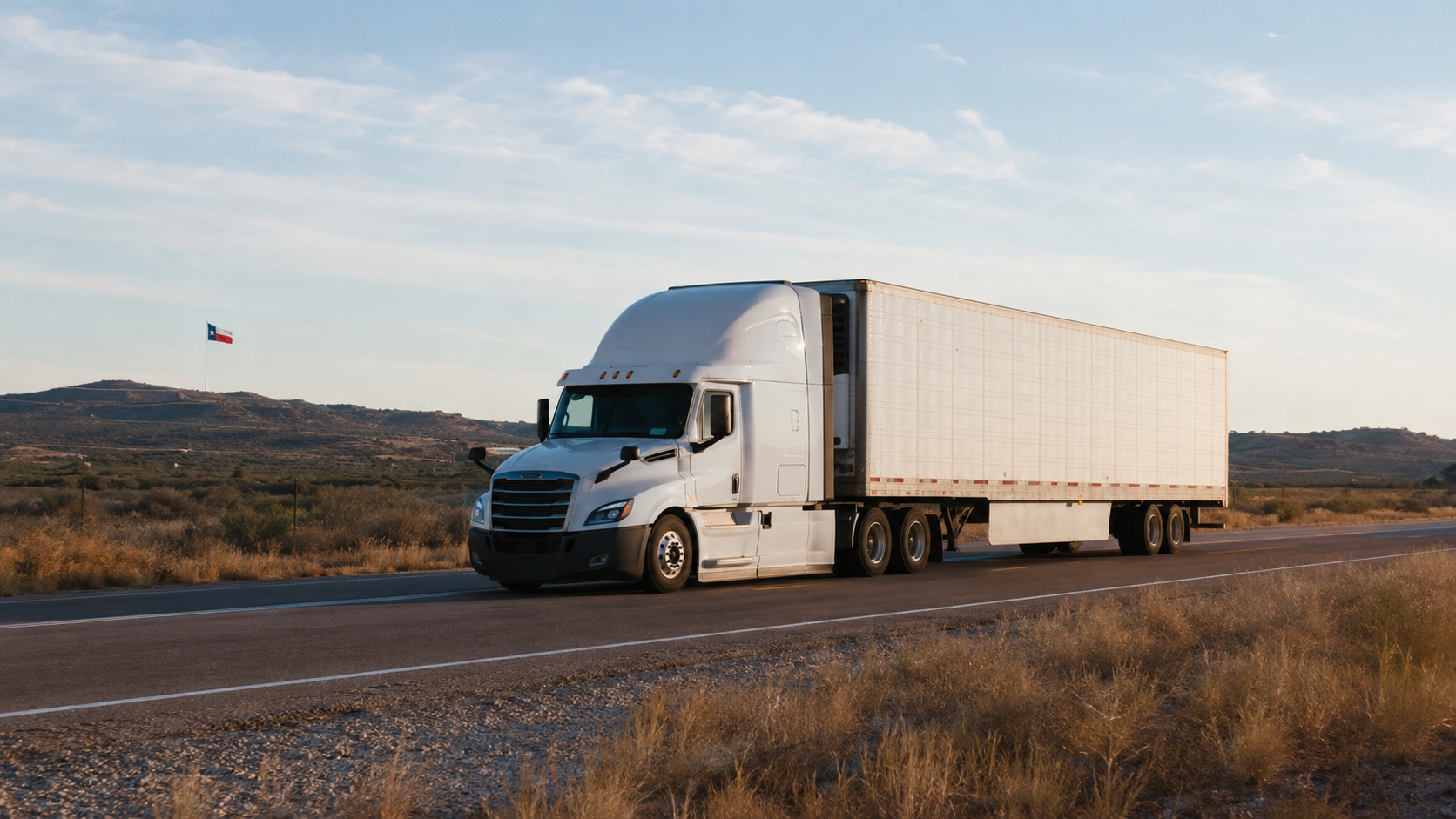
Texas commercial truck insurance requirements depend on whether you cross state lines. If you run intrastate only (Texas pickups, Texas deliveries), the state requires a minimum of $500,000 in combined single limit liability coverage for vehicles and combinations over 26,000 pounds, filed with the TxDMV. If you run interstate, federal rules take over: at least $750,000 in liability for general freight, $1,000,000 for oil, and $5,000,000 for most hazmat, under 49 CFR 387.9. These figures are current as of July 2026.
That is the short answer. The details, including household goods rules, Form E filings, and why most carriers buy more than the minimum, are below. This is informational, not legal advice, so verify your specific situation with the TxDMV, FMCSA, or the Texas Department of Insurance before you make filing decisions.
What insurance does an intrastate Texas carrier need?
If your trucks never leave Texas, the TxDMV requires registered motor carriers to carry liability coverage and file proof of it. TxDMV registration is triggered by operating a vehicle or combination with a gross weight, registered weight, or weight rating over 26,000 pounds, hauling household goods for pay at any vehicle weight, or hauling placarded hazmat, among other cases.
The TxDMV minimums as of July 2026: $500,000 combined single limit for vehicles and combinations over 26,000 pounds, $300,000 for household goods movers with vehicles under 26,000 pounds, and federal-level limits for placarded hazmat ($1,000,000 for oil and hazardous waste, $5,000,000 for the most dangerous material classes). Household goods movers also file cargo coverage of $5,000 per vehicle and $10,000 aggregate per vehicle.
Proof of coverage is filed with the TxDMV through a Form E filing, which your insurance company submits on your behalf. Without an active Form E on file, your TxDMV operating authority is not valid, so if you switch insurers mid-year, confirm the new carrier files before the old filing lapses.
What insurance does an interstate Texas carrier need?
Cross a state line, even once, and you fall under FMCSA rules. The federal minimums under 49 CFR 387.9 as of July 2026:
Freight typeMinimum liability General freight (vehicles over 10,001 lbs)$750,000 Oil transported by for-hire carriers$1,000,000 Most other hazmat$5,000,000 Your insurer proves this coverage to the FMCSA with a BMC-91 or BMC-91X filing, which we handle for our customers as part of setting up a policy. Keep in mind these are legal floors, not market realities: most brokers and shippers require $1,000,000 in liability before they will tender loads, so the practical minimum for a general freight carrier is usually $1M, not $750K.
Do you need cargo insurance in Texas?
For general freight, cargo coverage is not required by Texas law or federal law, but nearly every broker and shipper requires $100,000 in motor truck cargo coverage before you can book their loads. Household goods movers are the exception where cargo coverage is legally required. If you are pricing that coverage, our guide to what a $100K cargo policy costs breaks down the ranges.
What does this mean for a new Texas authority?
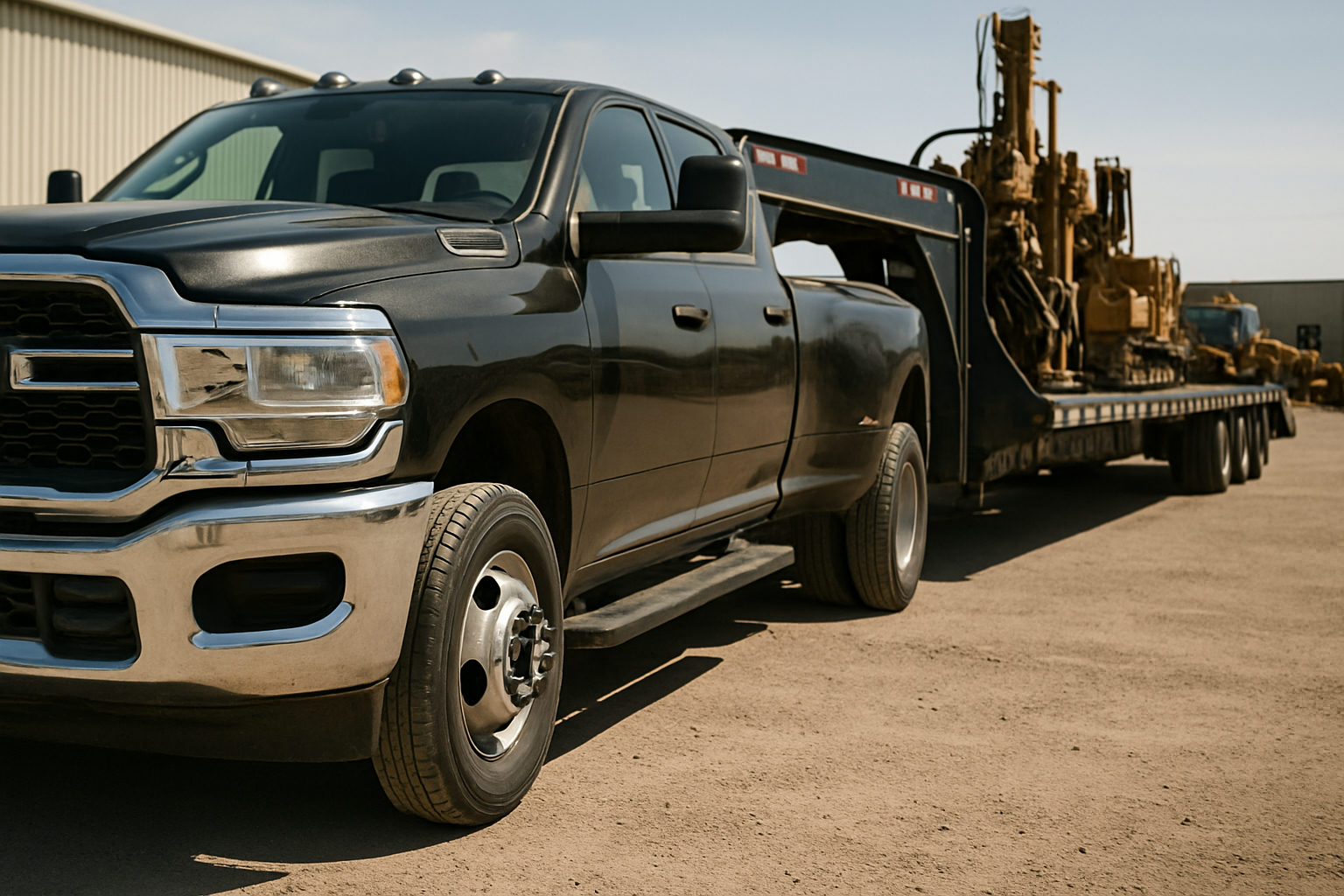
If you are getting your authority now, plan for this stack: primary liability at $1,000,000 (the broker-friendly level), $100,000 cargo, and physical damage if your truck is financed. Hotshot operators running under 26,001 pounds interstate still need the federal filings if they are for-hire across state lines, and the economics look different for them, which is covered on our hotshot truck insurance page. Full-size operations can see how semi truck insurance is typically structured.
New authorities also pay the highest rates in the market for the first 12 to 24 months, because insurers price heavily on time under authority. Budget for that reality now rather than being surprised by it, and expect meaningful relief at your first and second renewals if your record stays clean.
How much does commercial truck insurance cost in Texas?
There is no single number, and any site that gives you one without asking about your operation is guessing. The factors that matter most: time under authority, driver age and MVR, equipment type and value, radius, commodities, and your CAB score. Texas pricing also reflects the state's traffic density and litigation environment, which have pushed liability rates up across the market in recent years.
Rather than quote a made-up average, we would point you to the factors you control: hire drivers with clean MVRs, keep your trucks well maintained to avoid violations that show up in your safety scores, and compare quotes across multiple carriers at every renewal. For a full picture of coverage in the state, our Texas trucking insurance page covers what we write and where.
Frequently Asked Questions
References
- TxDMV: Becoming a Texas motor carrier (intrastate)
- eCFR: 49 CFR 387.9, Financial responsibility, minimum levels
- Texas Department of Insurance: Consumer rights for commercial auto insurance
Requirements are the floor. The real question is what coverage stack fits your operation at a price that works, and that answer comes from comparing. Get Texas truck insurance quotes from multiple carriers and see the options side by side, filings included.
Continue reading
- Texas trucking insurance requirements
- Compare truck insurance quotes
- Hot Shot Insurance in Abilene TX: Cost and Requirements
- Flatbed Truck Insurance Massachusetts: What It Costs
- Autonomous Truck Insurance Costs After the Beacon Rule: A Cost Drivers Guide
- Coverages we offer for owner-operators & fleets
- Common questions about trucking insurance
Ready to compare rates? Get a free trucking insurance quote from carriers built for trucking regulations.
Ready to Get Started?
Get personalized insurance quotes tailored to your business