How Much Is Hotshot Insurance? 2026 Cost Guide
Get Your Free Insurance Quote
Compare quotes from top carriers in minutes
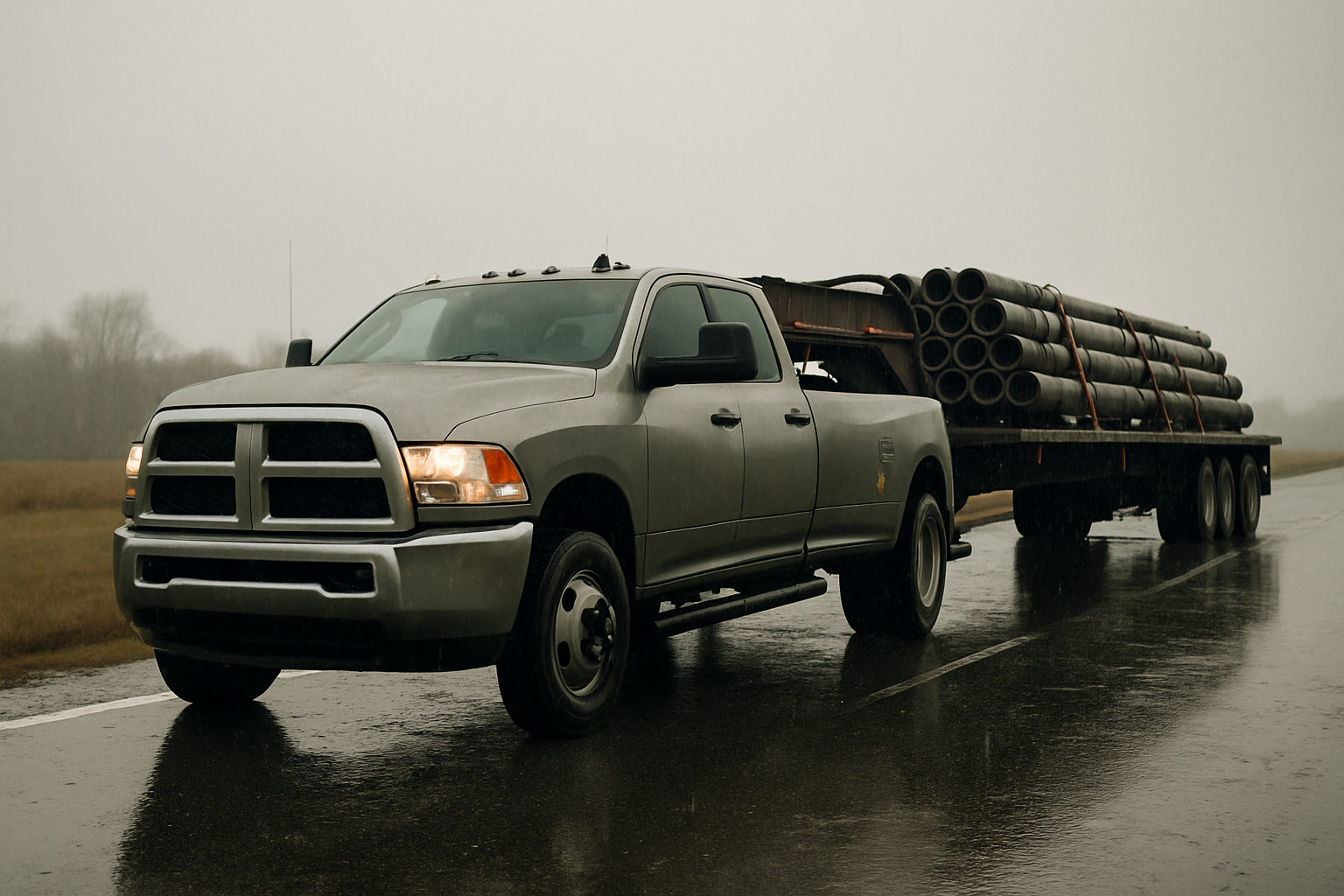
Hotshot insurance typically costs between about $700 and $1,500 a month for a single owner-operator running a pickup and gooseneck or bumper pull trailer. That range reflects typical pricing reported across industry sources, including Progressive Commercial's published trucking insurance cost guidance, as of August 2026. It moves a lot depending on your cargo, your radius of operation, your driving record, and how long you have held your authority. There is no single flat number because carriers price hotshot risk differently than they price a standard semi, and your specific setup matters more than the word "hotshot" itself. This guide is meant to help you understand what drives your rate; it is not a substitute for advice from a licensed insurance agent or official guidance from FMCSA, so always confirm specifics with a professional before you bind coverage.
Below we break down what actually drives your premium, what coverages you are required to carry, and how to get a number that reflects your actual truck and freight instead of a guess pulled from a forum post. When you are ready, Trucker Path Insurance is one broker option that can shop your info across multiple carriers so you are not stuck with a single company's quote.
What is the average monthly cost for hotshot insurance
Most new hotshot operators land somewhere between roughly $700 and $1,500 a month for primary liability plus motor truck cargo, based on typical ranges reported by industry pricing sources, including Progressive Commercial's trucking insurance guidance, as of August 2026. New authority, thin driving history, and hauling heavier or higher value freight all push that number up. A hotshot with a few years of authority, a clean MVR, and lighter general freight tends to land toward the lower end.
These are starting points, not quotes. The only way to know your actual number is to run your MC number, VIN, and driving history through an actual quoting process. You can see how the process works and compare carriers at get hotshot insurance quotes without committing to anything.
What do different hotshot scenarios typically cost per month
The table below shows typical monthly ranges reported by industry pricing sources as of August 2026 for a few common hotshot scenarios. These are directional, not quotes, since your actual premium depends on your specific MC number, equipment, and driving history.
| Scenario | Typical monthly range |
|---|---|
| New authority, under 2 years, general freight | Roughly $1,000 to $1,800 |
| Established authority, 3+ years, clean MVR, general freight | Roughly $700 to $1,100 |
| Hauling hazmat or oil (higher federal liability minimums) | Roughly $1,200 to $2,200 |
| Heavy equipment or oversized loads on a gooseneck | Roughly $1,100 to $2,000 |
What coverages does a hotshot operation actually need
Federal law sets a floor, but most shippers and brokers ask for more than the floor. Under 49 CFR Part 387, interstate carriers hauling general freight in a truck with a GVWR over 10,001 lbs must carry at least $750,000 in public liability, but in practice most brokers and load boards require $1,000,000, so treat that as the working standard. You can review the actual federal rule text at ecfr.gov, or the FMCSA's own summary of insurance requirements at fmcsa.dot.gov, and you should always confirm current limits with FMCSA or your state department of insurance before you buy a policy.
Beyond liability, most hotshot operators also carry:
- Motor truck cargo, to cover freight damage or loss in transit
- Physical damage, for your truck and trailer if you finance or lease them
- Non-trucking liability, for when you are using the truck off dispatch. This is usually priced as a flat annual premium rather than tied to mileage, since it only applies when you are not under dispatch or carrying a load
- General liability, often required by brokers before they will tender loads
If you haul hazmat or oil, federal minimums jump to $1,000,000, and explosives, poison gas, or bulk hazardous substances require $5,000,000 in public liability under the same federal rule. Very few hotshot operators fall into that bracket, but if you do, budget accordingly and verify the exact classification with FMCSA before you bind coverage.
What deductibles and other cost pieces should you plan for
Deductibles on physical damage coverage for hotshot rigs typically run somewhere between $1,000 and $2,500, depending on the age and value of your truck and trailer, with a higher deductible generally lowering your monthly premium in exchange for more out of pocket risk if you have a claim. Cargo insurance deductibles tend to run lower, often in the $500 to $1,000 range, since shippers and brokers want confidence that a claim will actually get paid without a steep gap. When you are comparing quotes, ask each carrier to show you the premium at two or three different deductible levels so you can see the real tradeoff for your budget instead of guessing.
What factors move your hotshot insurance premium up or down
Your premium is built from a handful of specific inputs, not a generic hotshot rate. The biggest levers are your years of experience under your own authority, your driving record over the last three to five years, the cargo you haul, your radius of operation, and whether you are new to authority or established.
| Factor | Effect on premium |
|---|---|
| New authority (under 2 years) | Higher, often treated as higher risk until a claims history exists |
| Clean MVR, 3+ years experience | Lower, insurers reward a documented safety record |
| Hauling flatbed steel, heavy equipment, or oversized loads | Higher cargo and liability exposure |
| General freight, dry van style loads | Typically lower than specialized or oversized freight |
| Short regional radius | Can lower premium versus long haul, coast to coast runs |
| Prior at fault accidents or cargo claims | Higher, sometimes significantly |
If you are still deciding on equipment, it also helps to understand how coverage differs by vehicle type. Our page on hotshot truck insurance coverage breaks down what a typical hotshot policy includes by trailer and truck combination.
Why does hotshot insurance cost more or less than semi truck insurance
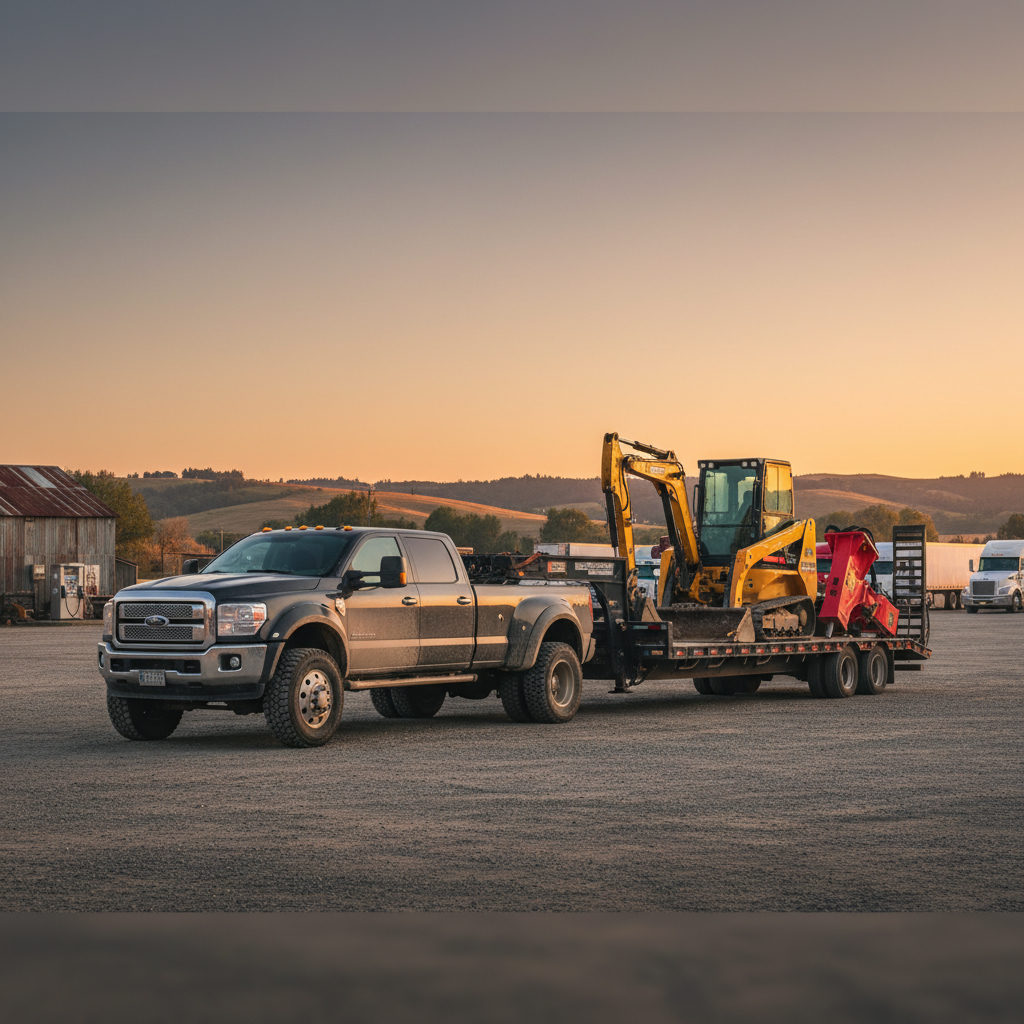
Hotshot insurance is not automatically cheaper than semi truck insurance, and in some cases it costs more per mile because the risk profile is different, not smaller. A hotshot rig hauling a gooseneck trailer loaded with heavy equipment can carry serious liability exposure even though the truck itself is a pickup. Insurers look at what you are hauling and how, not just the size of the tractor.
That said, physical damage premiums on a pickup and trailer combo are often lower than on a full semi tractor, simply because the equipment itself costs less to repair or replace. If you want a per-mile cost comparison across different cargo types and trailer setups, our post on hotshot trucking insurance cost factors walks through how cargo type and trailer choice change the math on a cost per mile basis.
How can you lower your hotshot insurance premium
The fastest way to lower your premium is to build a clean claims history and shop your policy across multiple carriers instead of renewing on autopilot. A broker who compares several carriers at once, rather than quoting you off a single company's book, will usually find a better fit for your specific risk profile than sticking with whatever you started with when you got your authority.
Other practical levers:
- Raise your deductible on physical damage if you can absorb a bigger out of pocket hit
- Avoid lapses in coverage, which insurers treat as a red flag on new applications
- Keep your MVR clean and address any tickets or violations quickly
- Bundle cargo, liability, and physical damage with one carrier when the combined rate beats separate policies
If you are brand new to hotshot work, our guide covering the onboarding and setup side of the business, hotshot truckers insurance for new operators, covers what to expect in your first year of authority, including why premiums often run higher before you have a track record.
Frequently Asked Questions
Continue reading
- Hotshot truck insurance
- Compare truck insurance quotes
- Box Truck Insurance Requirements: Minimums and Costs by Scenario
- Florida Minimum Insurance for Hotshot Trucking: What Applies to You
- Does Insurance Cover MC Authority Theft? The Real Cost
- Coverages we offer for owner-operators & fleets
- Common questions about trucking insurance
Ready to compare rates? Get a free trucking insurance quote from carriers built for insurance tips.
About the author
Reyna Ortiz
Operations Editor
Reyna writes about safety scores, claims and the day-to-day operating decisions that show up on a renewal quote.
More articles by Reyna →Ready to Get Started?
Get personalized insurance quotes tailored to your business