Tyler TX Commercial Truck Insurance Requirements 2026
Get Your Free Insurance Quote
Compare quotes from top carriers in minutes
If you run a truck out of Tyler, Texas, the insurance requirement that matters most is federal, not local. Interstate motor carriers hauling general freight need a minimum of $750,000 in public liability coverage under 49 CFR Part 387. In practice, most brokers, freight brokers, and shippers you'll actually work with in East Texas generally require $1,000,000 in liability coverage, even though the federal minimum for general freight is $750,000, according to FreightWaves Checkpoint. That higher number has become the real-world standard, so plan your budget around it, not the bare federal floor.
Beyond liability, what else you need depends on your freight, your equipment, and whether you're leased to a carrier or running under your own authority. This guide breaks down what Tyler-area owner-operators and small fleets in and around Smith County, including ZIP codes like 75701 through 75708, actually need to get legal and stay legal.
What insurance does a Tyler TX trucking company legally need?
At a minimum, an interstate carrier based in Tyler needs primary liability insurance that meets federal limits, and if you're under your own MC authority, you'll typically need to file a BMC-91 (or have your insurer file it) with FMCSA before you can dispatch a single load. If you haul for hire, you also need motor truck cargo coverage, since most shippers won't tender freight to a carrier without proof of cargo insurance on file.
Texas doesn't add a separate statewide minimum liability figure on top of the federal rule for interstate carriers, but if you run intrastate only within Texas, the Texas Department of Motor Vehicles has its own registration and insurance filing requirements that are worth confirming directly with the state before you assume federal minimums cover you. As a general rule, Texas requires commercial registration for trucks over certain GVWR thresholds for intrastate operation, and the exact cutoffs and fees are listed directly on the Texas DMV website, so check there before you assume your setup is exempt. For a broader look at how Texas handles commercial truck insurance rules, see our Texas commercial truck insurance requirements guide.
How much liability coverage do you need for freight type?
The federal minimum climbs based on what you're hauling, not just your GVWR. Hazardous materials, oil, and bulk hazardous substances carry much higher thresholds than general freight. Here's how the federal floors break down, confirmed against 49 CFR 387.9 (verify current limits directly at fmcsa.dot.gov or with your state Department of Insurance before you bind a policy):
| Freight type | Federal minimum liability |
|---|---|
| General freight, non-hazardous, GVWR 10,001 lbs+ | $750,000 |
| Oil and many hazardous materials | $1,000,000 |
| Explosives, poison gas, bulk hazardous substances | $5,000,000 |
Those are federal floors. As noted above, most brokers and shippers you'll actually contract with in East Texas ask for $1,000,000 in liability even on general freight, so don't assume the $750,000 figure is what you'll be quoted or what a shipper will accept. Before you sign a lease or a broker agreement, read the insurance clause carefully. It might ask for more than your policy currently carries.
What other coverage should Tyler truckers carry beyond liability?
Liability alone leaves your truck, trailer, and cargo unprotected, so most working truckers layer on additional coverage based on their setup. Physical damage insurance covers your truck and trailer if they're damaged in a wreck, fire, or theft. This matters a lot in East Texas, where hail and severe thunderstorms are a real seasonal risk. Motor truck cargo insurance covers the freight itself if it's damaged, lost, or stolen in transit, and most shippers require proof of it before they'll tender a load.
If you're leased to a carrier but occasionally drive your truck for personal use or between dispatches, you'll want non-trucking liability (also called bobtail insurance) to cover those gaps. And if you pull trailers you don't own, trailer interchange coverage protects you if something happens to a trailer that isn't titled in your name.
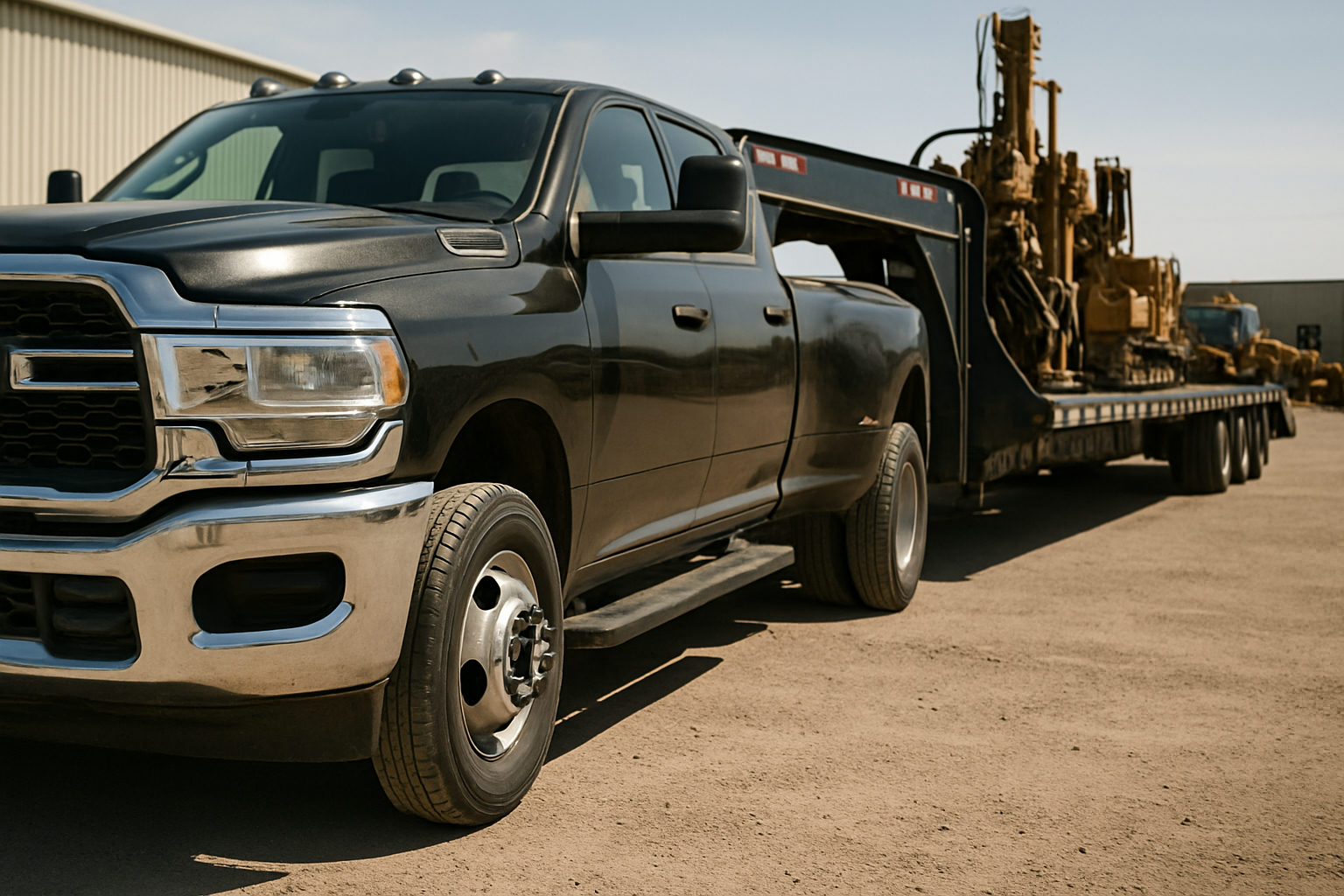
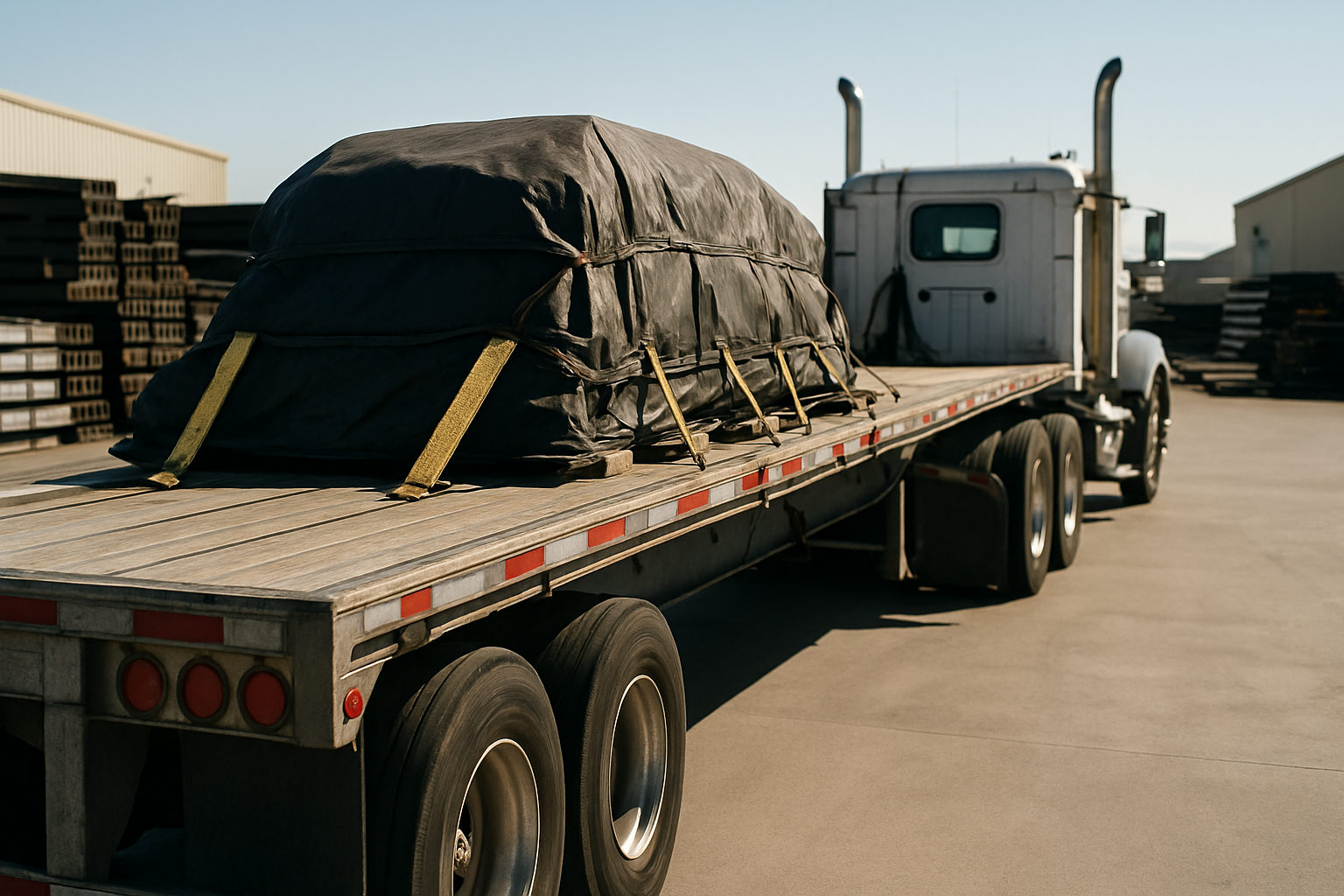
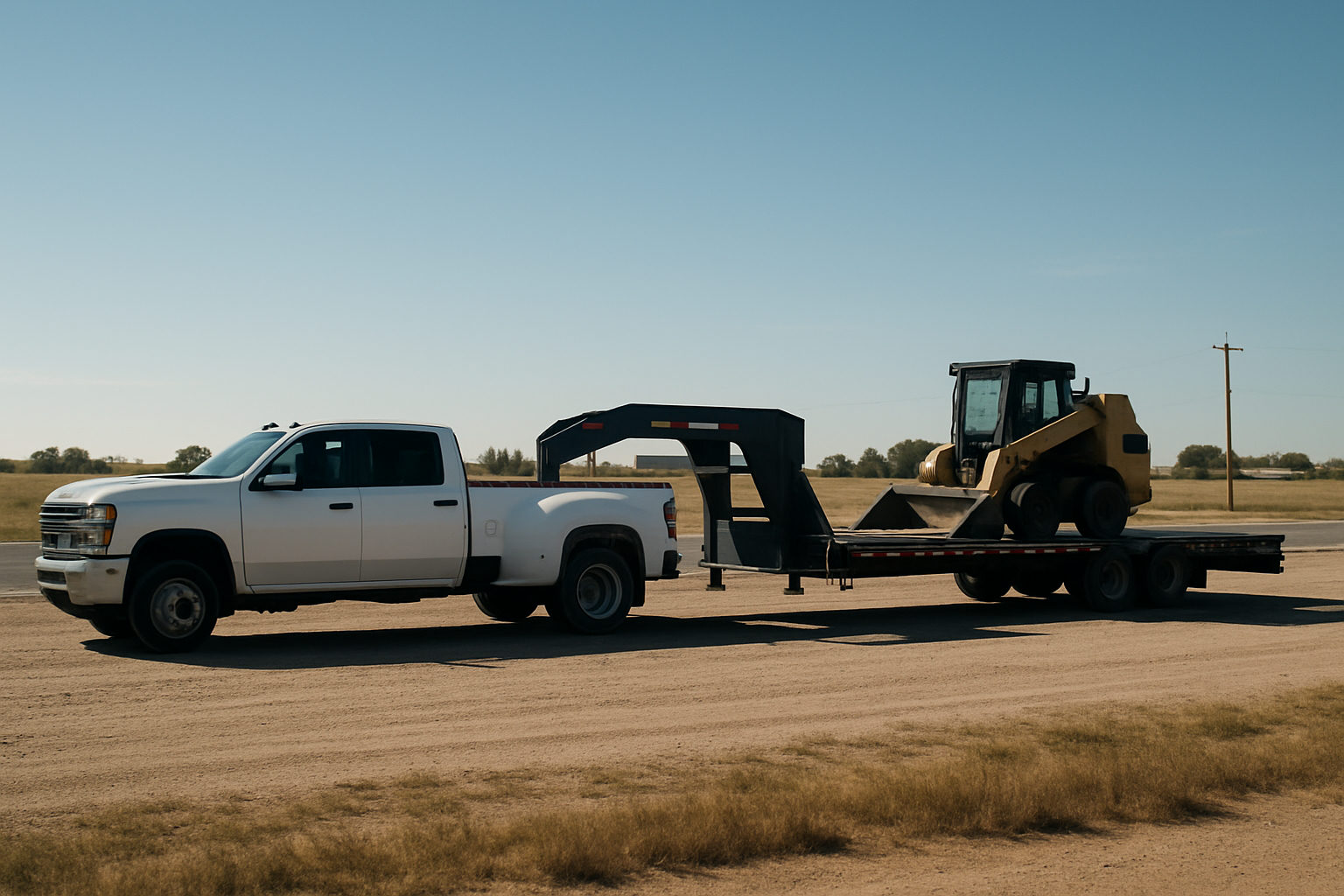
The exact combination depends heavily on your equipment. A flatbed hauler moving steel coils out of the Tyler area has very different cargo exposure than a reefer running produce, and a hotshot operator pulling a gooseneck has different physical damage needs than someone running a full 53 foot dry van. If you're not sure which coverages apply to your setup, our truck insurance by vehicle type guide breaks down coverage by equipment class.
Tyler's freight lanes and local industries that shape your coverage
Tyler sits at the crossroads of a few corridors that matter a lot for what kind of truck you're running and what you're hauling. US-69 and US-271 carry a steady mix of regional freight through the area, while I-20 to the north connects Tyler-based carriers into the broader East Texas and Louisiana lane network. If you're running loads west toward Dallas or south toward Houston, you're mixing highway miles with a fair amount of two-lane rural driving, which some insurers factor into their pricing. Within Smith County itself, a lot of local dispatch and short-haul work also runs through Tyler's core ZIP codes, which some carriers use when pricing local versus long-haul exposure.
East Texas also has a few industries that show up often in local trucking, and each brings its own coverage considerations. Oilfield-related hauling, common around the broader East Texas oil patch, often involves specialized equipment and can push insurers toward higher liability requirements or specific endorsements. Timber and logging trucking is a real presence in this part of the state, and log trucks carry different cargo and equipment risk profiles than dry van freight. Agricultural hauling, including livestock and farm equipment, is also common and may fall under different exemptions or requirements than general commercial freight, so it's worth checking whether your operation qualifies for any agricultural carve-outs before you assume standard rules apply. If any of this describes your operation, mention it when you request quotes, since it changes which carriers are a good fit.
How much does commercial truck insurance cost in Tyler TX?
Pricing varies a lot based on your driving record, years of authority, equipment, and freight type, so there's no single number that applies to every truck in Tyler. There's no single published rate table for Tyler specifically, so treat any number you see as a rough starting point rather than a quote. As a purely illustrative, non-sourced estimate for budgeting purposes in early 2026, clean-record owner-operators with a few years of authority running general freight sometimes see primary liability premiums land somewhere in the low five figures annually, but this is not pulled from any specific carrier's published rates and your actual number could land well outside that range. Your real cost will depend heavily on equipment type, radius of operation, claims history, and which carriers are actively writing business in your area. New authority carriers, drivers with recent violations, or anyone hauling hazmat should generally expect to pay more, since insurers treat those as higher risk categories.
Rather than guessing at a number, the fastest way to get an accurate figure for your specific truck is to run your details through a quote comparison. Rates also shift by state due to differences in claims history, weather risk, and litigation environment, which is part of why we built a state by state breakdown. You can see how Texas compares to neighboring states in our commercial truck insurance rates by state post.
Do new authority carriers in Tyler face different requirements?
New authority carriers face the same federal liability minimums as established fleets, but insurers often treat them as a higher risk category regardless of driving record, simply because there's no claims history to underwrite against. This usually shows up as a smaller pool of carriers willing to quote you and, in many cases, a higher premium for the first year or two of authority. If you're new to running your own MC number out of Tyler, expect more paperwork around your BMC-91 filing and be ready to shop multiple carriers rather than accepting the first quote you get.
Frequently Asked Questions
Continue reading
- Commercial truck insurance
- Compare truck insurance quotes
- Hot Shot Insurance in Abilene TX: Cost and Requirements
- Pickup Truck Insurance Online Quote: What You Need First
- Pickup Truck Insurance: Personal vs Commercial Coverage Guide
- Coverages we offer for owner-operators & fleets
- Common questions about trucking insurance
Ready to compare rates? Get a free trucking insurance quote from carriers built for trucking regulations.
Ready to Get Started?
Get personalized insurance quotes tailored to your business