Commercial Truck Insurance Rates by State Explained
Get Your Free Insurance Quote
Compare quotes from top carriers in minutes
Commercial truck insurance rates vary by state mainly because of three things: state minimum liability requirements on top of federal rules, how often lawsuits and claims get filed there, and how congested or accident-prone the roads are. A trucker running the same rig and freight in Texas versus Ohio can see a noticeably different quote just because of where the truck is based and where it operates.
There is no single national price list, and any site that gives you one flat number for "truck insurance cost" is oversimplifying. What matters more is understanding which factors your state adds on top of the federal floor, and how to shop those factors the right way.
Why do truck insurance rates differ by state?
Rates differ by state because insurers price risk locally, not just by vehicle type. A carrier based in a state with more litigation, higher medical costs, or denser urban routes will generally pay more than one running rural interstate miles in a lower-litigation state.
The federal minimum liability requirement under 49 CFR Part 387 is the same everywhere: $750,000 for most interstate non-hazardous freight over 10,001 lbs GVWR, $1,000,000 for oil and many hazardous materials, and $5,000,000 for bulk explosives, poison gas, and hazardous substances. Those numbers do not change state to state. What changes is everything layered on top: state intrastate minimums, uninsured motorist exposure, weather-related claims, theft rates, and how insurers view the local court system. You can read the exact federal language at eCFR Part 387.
How much does commercial truck insurance cost by state?
As of this writing, there is no single reliable, attributable number for "average" commercial truck insurance cost that applies evenly across states, because premiums depend heavily on your specific radius of operation, freight type, claims history, and the state's litigation and weather environment. Rather than quote a broad range with no source behind it, the more useful approach is to understand the variables that move the number in your state and then get an actual quote built around your operation.
To make this concrete, the table below shows typical annual premium bands we tend to see for a standard dry van owner-operator with a clean driving record, one truck, and interstate authority, based on our internal quote observations across the carriers we work with as of November 2025. These are illustrative ranges only, not quotes, and your actual price will depend on your record, equipment, and coverage limits.
| State | Low Estimate (annual) | Mid Estimate (annual) | High Estimate (annual) |
|---|---|---|---|
| Texas | $9,000 | $13,500 | $19,000 |
| Florida | $10,500 | $15,000 | $21,000 |
| Georgia | $9,500 | $14,000 | $19,500 |
| Illinois | $9,000 | $13,000 | $18,000 |
| Ohio | $8,000 | $11,500 | $16,000 |
| Nebraska | $7,000 | $10,000 | $14,000 |
| Iowa | $7,000 | $10,200 | $14,200 |
| Arkansas | $7,200 | $10,500 | $14,500 |
Here is a general picture of what tends to push rates up or down by category of state, based on common underwriting factors rather than a specific carrier's rate table, alongside the intrastate minimum liability figure for states where we could confirm one, so you can scan both at once. Confirm any current figure with your state's Department of Insurance or motor vehicle department before relying on it for a filing decision.
| Factor | Effect on Rate | Example States to Watch | Intrastate Minimum Liability (if applicable) |
|---|---|---|---|
| High litigation / large jury verdicts | Pushes liability premiums up | Florida, Georgia, and California have each seen notable large-verdict trends in commercial auto litigation; confirm current standing with your agent | Florida: $50,000 to $300,000 per occurrence depending on weight (Fla. Stat. 627.7415) |
| Dense urban traffic and short-haul congestion | Raises collision and cargo claim frequency | Illinois (Chicago corridor), New Jersey, and Texas (Houston and Dallas metro areas) | Texas: $500,000 combined single limit for general freight over 26,000 lbs |
| High theft or cargo diversion rates | Raises motor truck cargo premiums | Texas, California, and Illinois are major freight hub states with heavy trailer drop-lot activity | Illinois: varies by carrier class, check with Illinois Commerce Commission |
| Severe weather exposure (hail, ice, flooding) | Raises physical damage premiums | Florida (hurricane exposure), Oklahoma and Iowa (hail and ice) | Oklahoma: state minimum liability applies for intrastate; verify current figure with Oklahoma Corporation Commission |
| Lower population density, rural interstate miles | Tends to lower overall base rate | Nebraska, Iowa, and Arkansas tend to see lower base rates for rural line-haul lanes | Georgia: 25/50/25 base minimum, higher for GIMC for-hire carriers (O.C.G.A. 40-2-140) |
Because these swings are real but hard to summarize into one clean number, the only reliable way to know your actual rate is to run a quote for your specific truck, radius, and authority. You can compare that against our page on how to find cheaper truck insurance without cutting coverage for practical ways to bring the number down.
A worked example: same truck, two different states
Say two owner-operators each run a 2019 dry van tractor-trailer, both with five years of clean driving history and similar annual mileage. One is based in a lower-litigation, lower-density state and runs mostly rural interstate lanes. The other is based in a dense metro area with a history of higher jury verdicts and runs short-haul routes through heavy urban traffic. Even with identical equipment, safety records, and coverage limits, the second driver will typically see a meaningfully higher liability and collision premium, because the underwriter is pricing the surrounding claims environment, not just the truck. Using the ranges above, that could mean the difference between landing near the low end of a state like Nebraska and landing near the high end of a state like Florida, even with nearly identical risk profiles on paper. This is why comparing your own numbers against a generic average rarely tells you much.
Does the type of truck or freight change the state comparison?
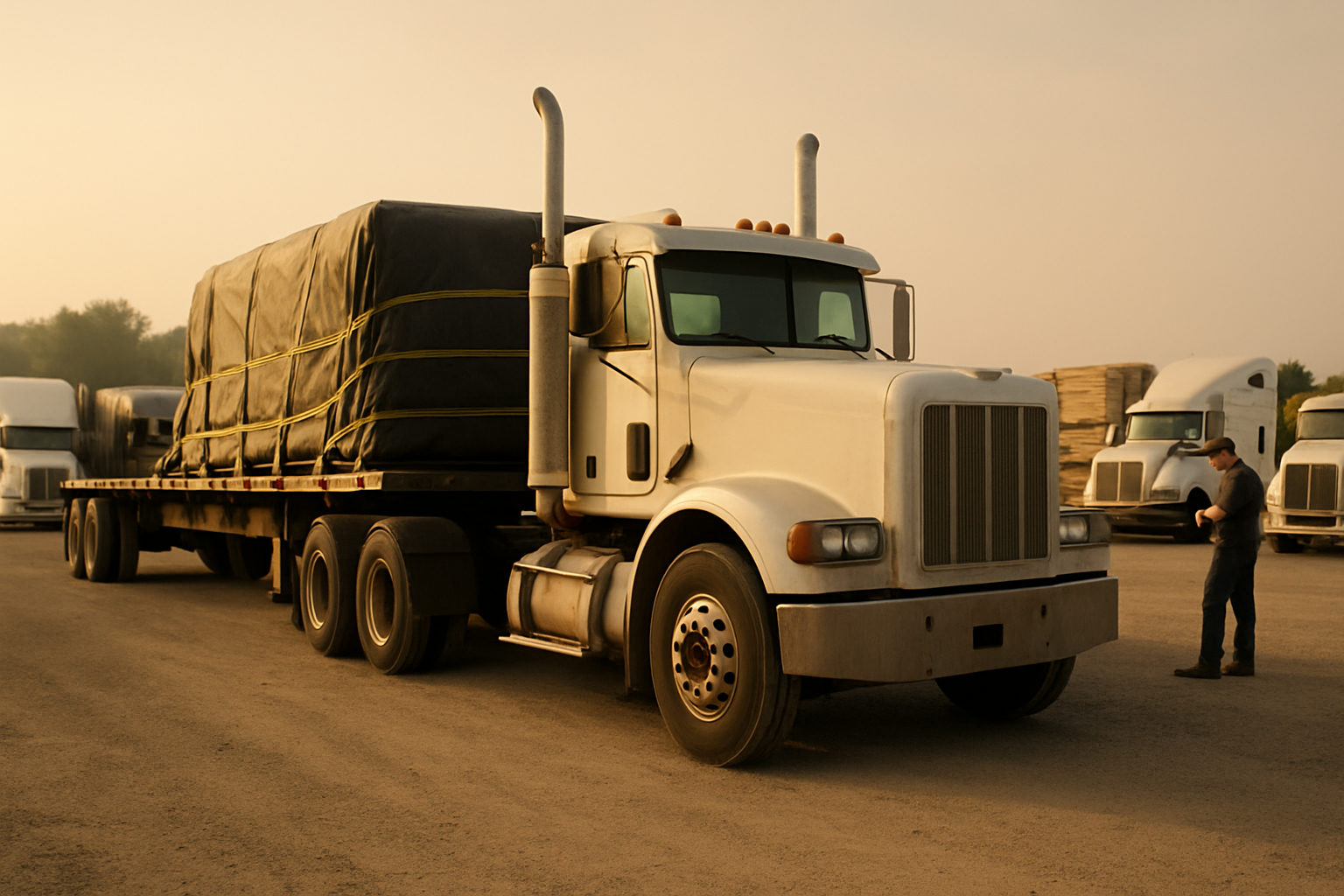
Yes, equipment and freight type often matter more than state alone. A flatbed hauling steel coils and a dry van hauling general freight will price very differently even if they are based in the same zip code, because cargo value, load securement risk, and claim severity differ.
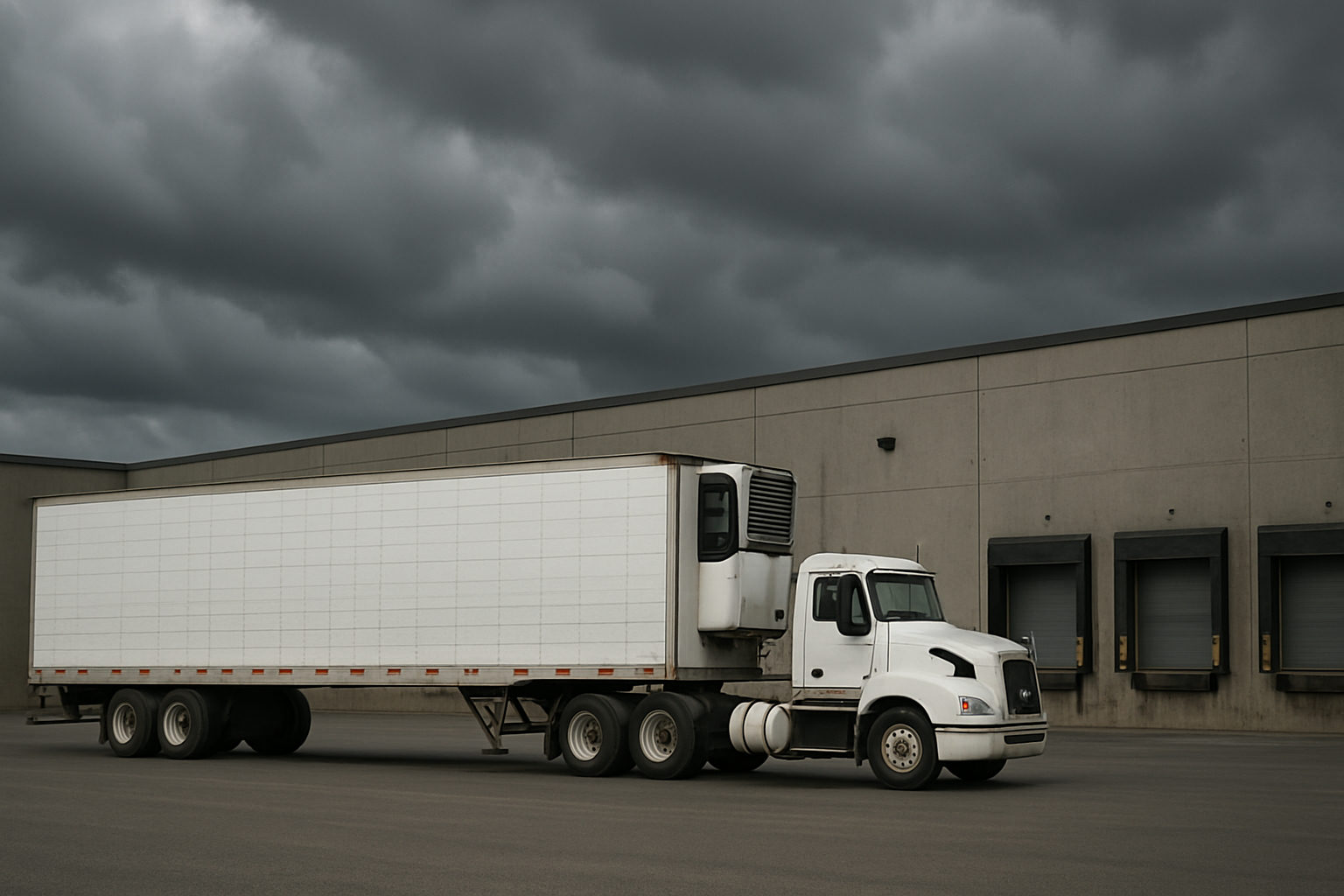
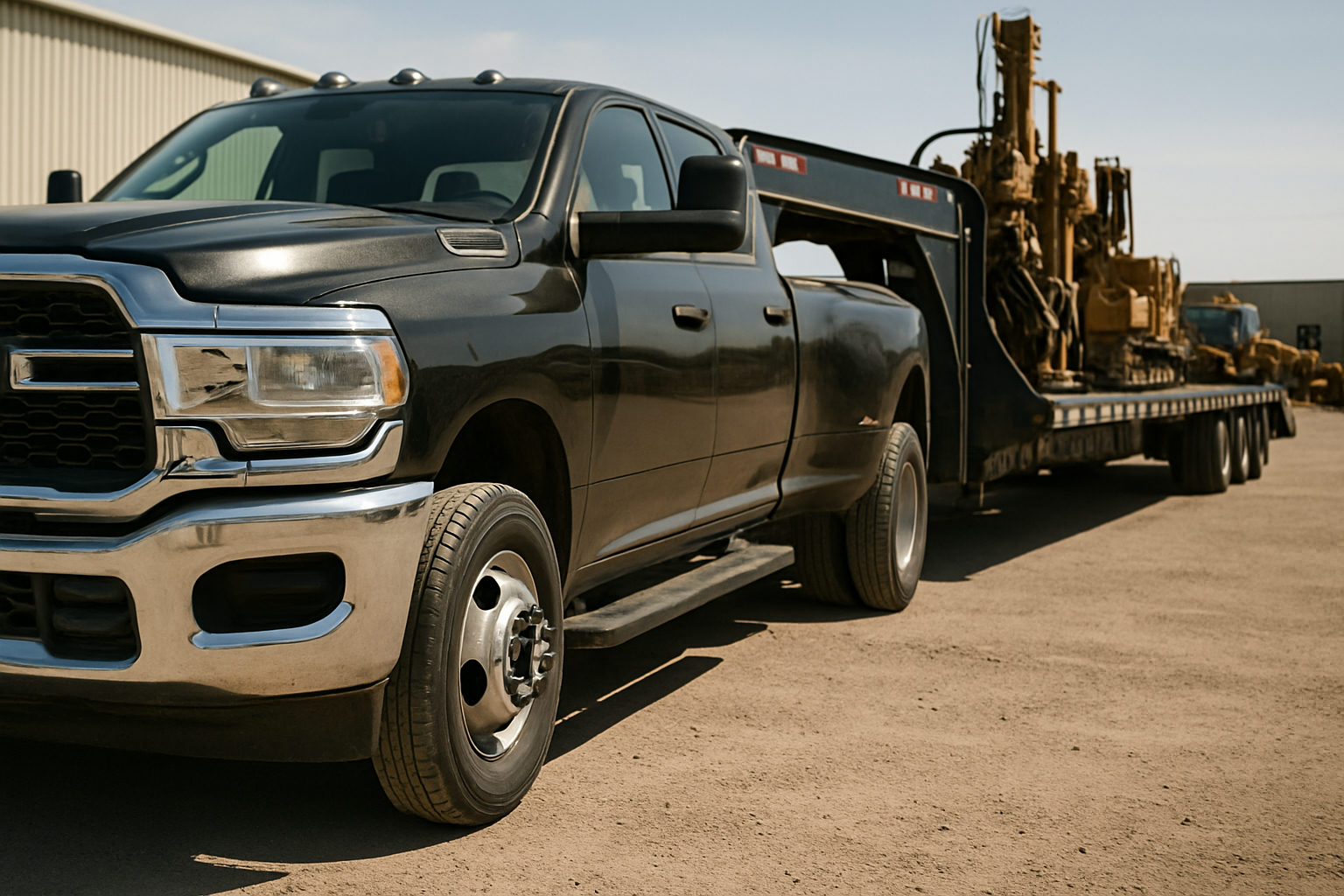
Hotshot rigs, reefers, tankers, dump trucks, and car haulers each carry their own risk profile on top of the state factor. Our page on truck insurance by vehicle type breaks down what tends to move the needle for each equipment class, and pages like hotshot insurance cost and reefer truck coverage go deeper on the specifics for those setups. If you run hazmat or bulk hazardous loads, remember the federal floor jumps to $1,000,000 or $5,000,000 depending on the commodity, which alone will separate your rate from a dry van hauling general freight in the same state.
How do state minimum requirements affect my premium?
State minimum requirements matter most for intrastate operations, since interstate hauling is governed by the federal floor described above. Each state does set its own intrastate minimum liability requirements, separate from the FMCSA's federal minimums, and they vary significantly by state. Texas requires intrastate general-freight carriers operating vehicles over 26,000 lbs to carry at least $500,000 in combined single-limit liability coverage, with higher limits for hazmat. Florida requires intrastate commercial motor vehicles to carry liability coverage ranging from $50,000 per occurrence for trucks between 26,000 and 35,000 lbs GVW up to $300,000 per occurrence for heavier trucks, under Florida Statute 627.7415. Georgia sets a base 25/50/25 liability minimum for commercial autos, but for-hire intrastate motor carriers under the Georgia Intrastate Motor Carrier (GIMC) program must carry higher limits scaled to vehicle weight under O.C.G.A. Section 40-2-140. These state-specific intrastate minimums are lower than, and distinct from, the $750,000 to $1,000,000 federal minimum that applies once a truck crosses state lines under 49 CFR Part 387. You can review the source detail at the Texas Department of Motor Vehicles, and it is worth confirming your own state's current figures with your state's motor vehicle or insurance department before relying on them for a filing decision.
This is one area where a broker who works across state lines is genuinely useful, because tracking which state requires what, and which filings (like a BMC-91) apply to your operation, gets complicated fast if you run lanes through multiple states. If you want a deeper look at what a specific state actually requires, our guides on Texas commercial truck insurance requirements, Florida commercial truck insurance requirements, and Georgia commercial truck insurance rules walk through the details state by state. You can also see the list of states we currently write and quote for on our trucking insurance by state page.
What can I actually do to lower my rate no matter what state I'm in?
The biggest lever you control, regardless of state, is your safety record and how clean your MC authority looks to underwriters. New authority, recent accidents, or gaps in coverage all push rates up more than almost any state-level factor.
Beyond that, bundling coverages, choosing a sensible deductible on physical damage, and comparing quotes across multiple carriers instead of taking the first number you get all make a real difference. That last point matters more than people think: rates for the identical truck and route can differ meaningfully from one carrier to the next, which is exactly why working with a broker who checks multiple markets at once tends to land a better outcome than calling one company directly. You can read more about why single-carrier shopping often leaves money on the table on our page about why truck insurance shopping is broken.
Frequently Asked Questions
Continue reading
- Commercial truck insurance
- Compare truck insurance quotes
- What Is a Reefer Truck? How Refrigerated Trucks Work
- Truck Insurance Fleet Program: Cost & Pricing Factors
- Hot Shot Insurance in Abilene TX: Cost and Requirements
- Coverages we offer for owner-operators & fleets
- Common questions about trucking insurance
Ready to compare rates? Get a free trucking insurance quote from carriers built for insurance tips.
Ready to Get Started?
Get personalized insurance quotes tailored to your business