Commercial Trucking Insurance in Pueblo: What It Costs
Get Your Free Insurance Quote
Compare quotes from top carriers in minutes
Quick note before the numbers: every figure below is a dated estimate for 2026, not a quote from a specific carrier, and your actual price depends on your MC number, equipment, and loss history. With that out of the way, here is where Pueblo trucking insurance actually lands and what moves it.
Pueblo, Colorado does not have city-specific insurance data available, but statewide figures for Colorado single-truck operations show typical annual premiums (liability, cargo, and physical damage combined) ranging from about $10,832 to $13,162, averaging roughly $12,213 per truck as of 2026, according to Commercial Truck Insurance HQ. That is narrower than the wide national ranges you often see quoted, and it is a more useful starting point than a generic nationwide figure if you are based anywhere in Colorado, including Pueblo.
Pueblo sits on I-25, which means a lot of drivers based here run regional freight up toward Colorado Springs and Denver or south toward New Mexico. That lane mix, plus Pueblo Chemical Depot traffic and steel industry freight out of the old Evraz mill, shapes what underwriters see coming out of this ZIP code. None of that changes federal minimums, but it does change how carriers price risk here versus, say, a rural county with less industrial hauling.
How much does commercial trucking insurance cost in Pueblo?
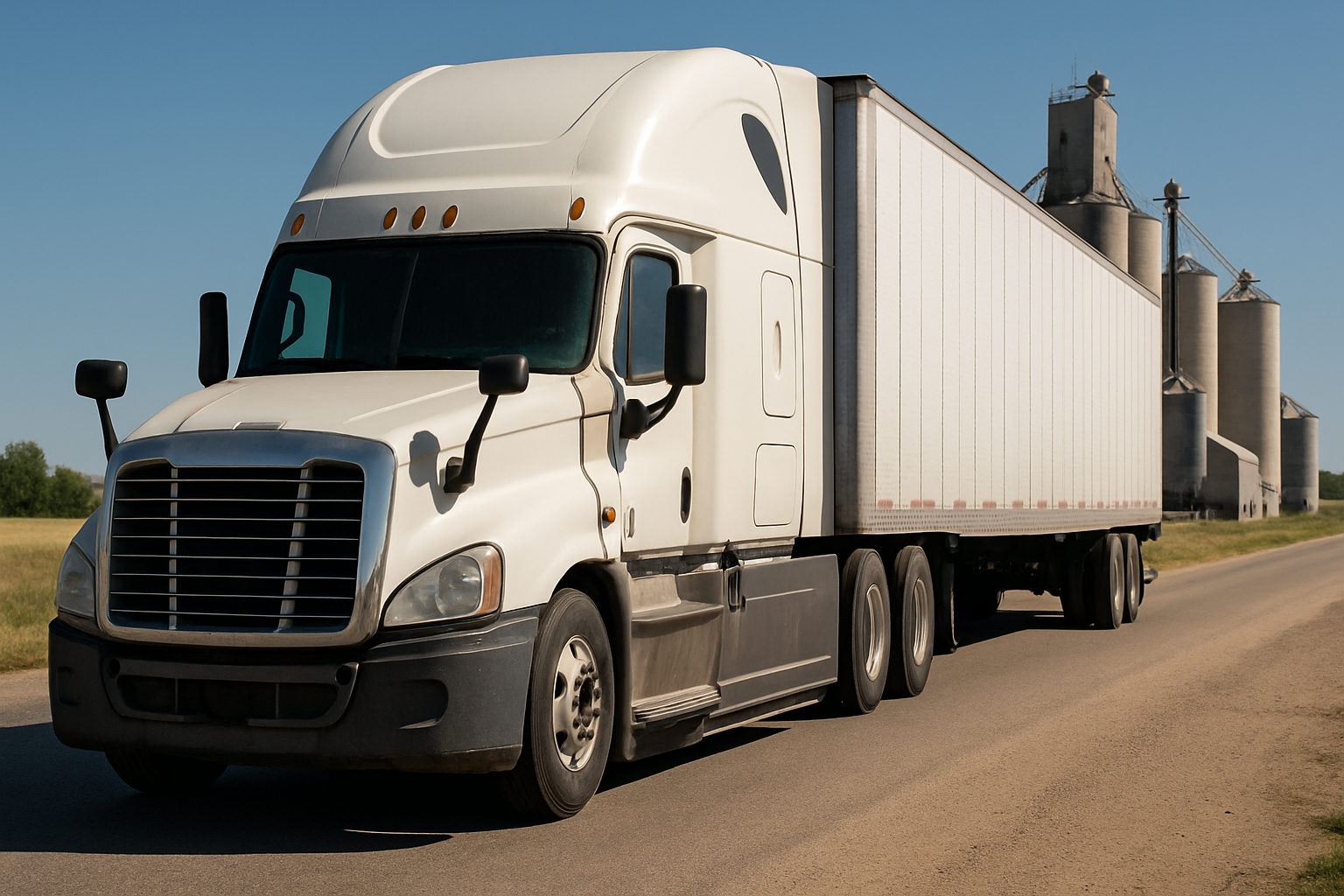
A Pueblo-based owner-operator with two or more years of clean-record authority should expect full-package coverage (primary liability, motor truck cargo, and physical damage) to run $8,000 to $12,000 annually for dry van freight, or $12,000 to $18,000 annually for refrigerated (reefer) freight, since reefer cargo carries materially higher risk and cost than dry van. Primary liability alone, at $1 million in combined single limits, commonly runs $5,000 to $8,000 per year for either cargo type on a clean, established account, according to myfullcoverage.com. New authority, hazmat, or a recent at-fault accident can push those numbers meaningfully higher.
To put that in perspective, imagine two Pueblo operators with identical two-axle tractors and clean three-year records. One hauls dry van freight between Pueblo and Denver on predictable regional lanes. The other hauls reefer freight down to New Mexico and back. Both carry the same $1 million liability limit, but the reefer operator's full package will likely land $4,000 to $6,000 higher per year once cargo spoilage risk and refrigeration breakdown exposure are priced in. That gap is not about the truck, it is entirely about the freight.
| Setup | Estimated annual cost (2026) | What drives it |
|---|---|---|
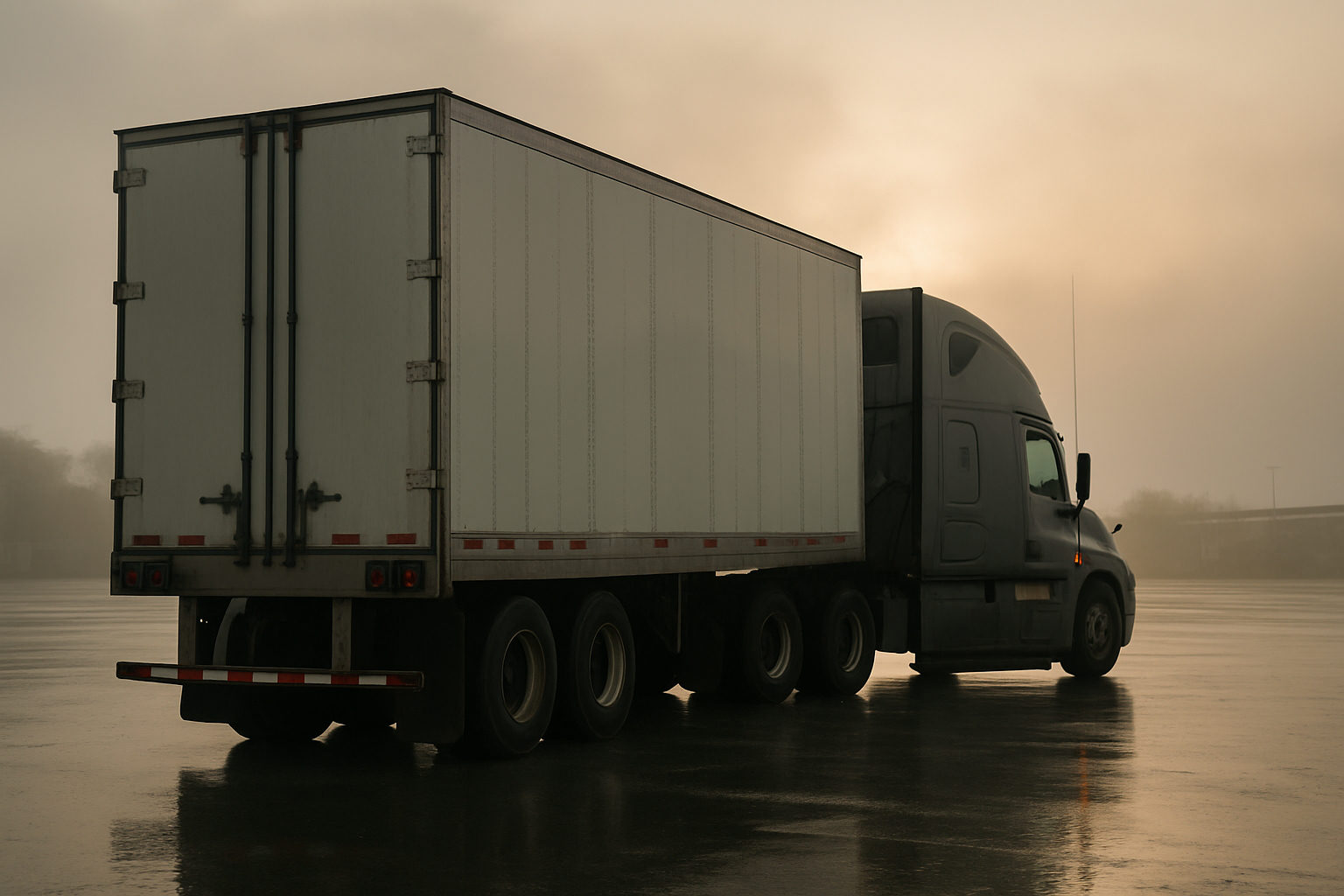
| Reefer, 2+ years authority, full package | $12,000 to $18,000 | Higher cargo value, spoilage and breakdown risk |
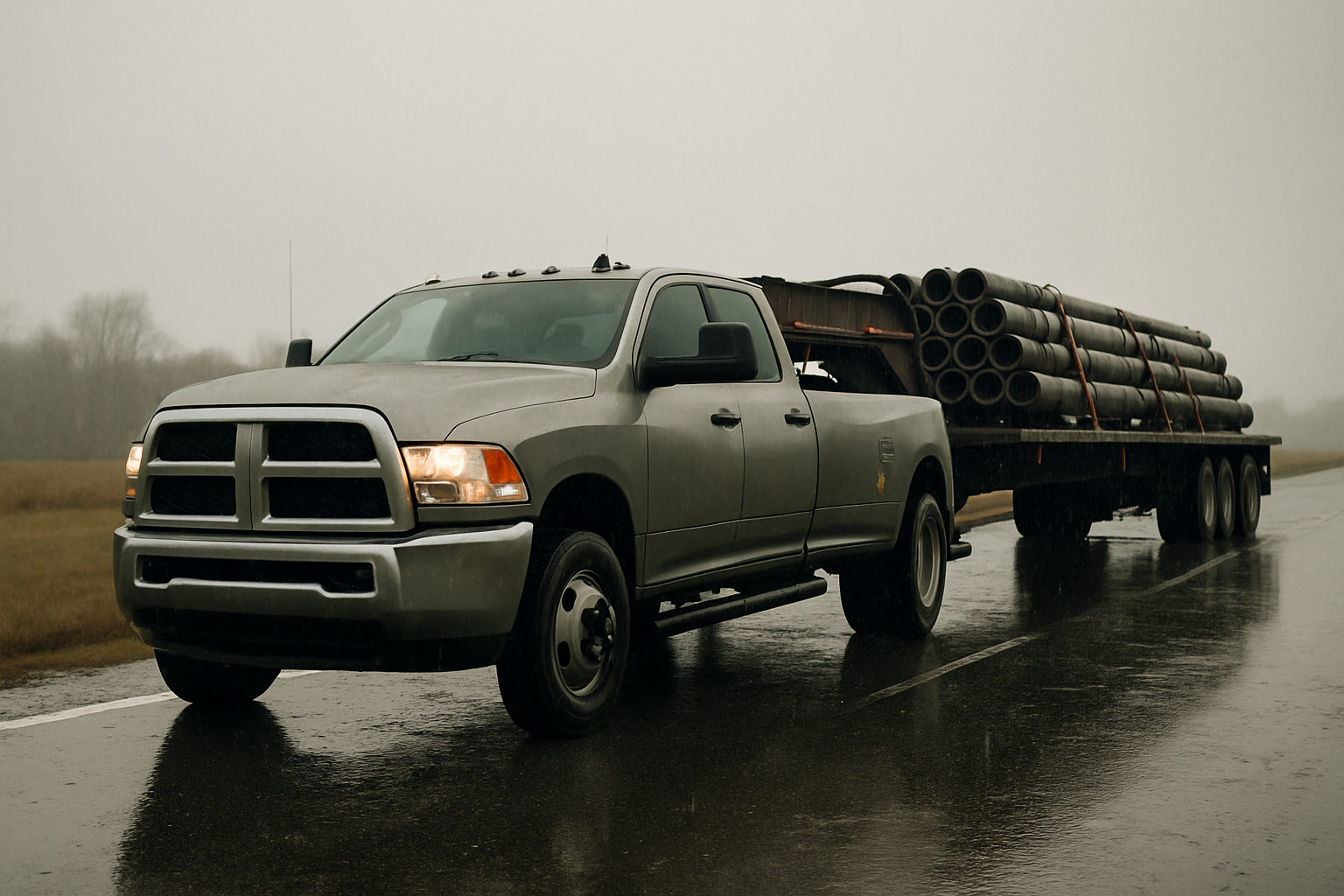
| Flatbed, established, full package | $10,000 to $15,000 | Cargo securement claims, roadside exposure |
| New authority (under 12 months), any equipment | 30 to 60 percent above an established, clean-record policy, roughly $10,400 to $19,200 on a typical $8,000 to $12,000 dry van base | No track record, higher underwriting risk |
The only way to know your actual number is to run your MC number, VIN, and loss history through an actual quote. You can compare commercial truck insurance quotes and see what carriers are pricing for your setup right now.
What actually moves your Pueblo trucking insurance price?
Five things move the number more than your ZIP code ever will: authority age, equipment type, radius of operation, claims history, and coverage limits you choose above the federal floor. Underwriters treat a first-year MC number as higher risk regardless of how careful the driver actually is, because they have no loss history to price against. That is usually the single biggest line item difference between a new authority and one that has run three clean years.
Radius matters too. A Pueblo operator running short-haul steel or aggregate loads within Colorado looks different to an underwriter than one running long-haul reefer to the coasts. Shorter, more predictable lanes generally price a little better because exposure per mile is easier to model, though this is not universal across carriers.
Federal minimum liability for general freight, interstate, at 10,001 lbs GVWR or more is $750,000 under 49 CFR Part 387, but in practice most brokers and shippers now require $1,000,000, so treat that as your working standard rather than the legal floor. Oil and many hazardous materials require $1,000,000, and bulk explosives, poison gas, and hazardous substances require $5,000,000. You can read the regulation text at fmcsa.dot.gov, and it is worth confirming any specific limit with FMCSA or your state department of insurance before you assume it applies to your operation. For a broader look at how these limits play out across Colorado specifically, our Colorado trucking insurance page covers state-level detail beyond the federal floor.
What does new authority cost compared to established carriers in Pueblo?
New authority typically costs 30 to 60 percent more than an established, clean-record policy, as a rough estimate, according to American Truckers LLC. On a typical $8,000 to $12,000 established dry van package, that markup works out to roughly $10,400 to $19,200 a year for a brand-new authority carrying the same coverage. For a brand-new authority, underwriters have little to price against except your equipment and your FMCSA CSA (Compliance, Safety, Accountability) score once it starts populating with roadside inspection and crash data, according to LucidELD. That premium gap tends to close after your first DOT audit cycle and a year or two of clean inspections, assuming no preventable accidents in that window.
This is also where a lot of new operators get burned on cancellations. Trucker Path Insurance tracked 47,234 FMCSA insurance cancellation filings nationwide between April 6, 2026 and May 25, 2026. A cancellation filing on your record, even one triggered by a lapsed payment rather than a claim, can follow you into your next renewal conversation and make an underwriter ask more questions. If you are new to authority, keeping continuous coverage without a gap matters more for your long-term rate than almost anything else you can control in year one.
How can Pueblo owner-operators actually lower their premium?
The fastest lever is shopping the renewal every year instead of auto-renewing, because carriers reprice their appetite for different freight types and regions constantly and last year's best offer is not always this year's. Beyond that, a few concrete moves tend to help: raising your physical damage deductible if you can absorb a larger out-of-pocket hit, bundling non-trucking liability with your primary policy instead of buying it separately, and keeping your CSA scores clean since several carriers pull that data directly into pricing.
Dropping coverage below what your freight actually requires is not a real savings move. If a broker or shipper contract requires $1,000,000 and you carry $750,000 to save a few hundred dollars, you will likely get rejected at the load board or lose the contract entirely, which costs far more than the premium difference. For general guidance on where your coverage stands relative to what shippers expect, our trucking insurance tips page covers the common gaps operators find at renewal time. If you run reefer freight specifically, our reefer truck insurance page breaks down the coverage pieces that push refrigerated freight pricing higher than dry van.
If you are comparing Pueblo against other Colorado markets, Denver-based fleets face a different cost profile driven by urban traffic density and claims frequency. That comparison is broken down in our piece on what Colorado truckers pay for trucking insurance in Denver, which is worth a look if you run lanes between the two cities.
Dry van vs. reefer: why the cost gap is so wide in Pueblo
The dry van versus reefer gap surprises a lot of first-time owner-operators, since the truck itself may be identical. The difference comes down to what happens when something goes wrong. A dry van claim is usually about the freight getting damaged or stolen. A reefer claim can involve all of that plus a full load of spoiled product if the refrigeration unit fails mid-route, which is a much larger payout on average. Underwriters price that added exposure directly into the motor truck cargo portion of your policy, which is why the full-package spread between the two cargo types in Pueblo runs $4,000 to $6,000 a year even when the liability portion is nearly identical.
Frequently Asked Questions
Continue reading
- Commercial truck insurance
- Compare truck insurance quotes
- Box Truck Insurance Requirements: Minimums and Costs by Scenario
- Florida Minimum Insurance for Hotshot Trucking: What Applies to You
- Does Insurance Cover MC Authority Theft? The Real Cost
- Coverages we offer for owner-operators & fleets
- Common questions about trucking insurance
Ready to compare rates? Get a free trucking insurance quote from carriers built for insurance tips.
About the author
Marcus Ellery
Regulatory Editor
Marcus covers FMCSA filings, operating authority and the compliance deadlines that quietly shut carriers down.
More articles by Marcus →Ready to Get Started?
Get personalized insurance quotes tailored to your business