DOT Blitz Week 2026: Dates and What It Costs
Get Your Free Insurance Quote
Compare quotes from top carriers in minutes

DOT Blitz Week 2026, officially the CVSA International Roadcheck, runs May 12 through May 14, 2026. It is a 72 hour enforcement surge coordinated across Canada, Mexico, and the United States through the Commercial Vehicle Safety Alliance. We covered what inspectors are targeting this year in our 72 Hour DOT Inspection 2026 breakdown, so we will not repeat that here. What that post does not get into is the part that actually changes your bottom line: what a bad inspection costs you in dollars, not just points.
That is the gap this post fills. Because a clean inspection during blitz week costs you nothing but a few minutes. A dirty one can cost you real money, and the damage does not stop at the roadside.
What does an out of service violation actually cost during blitz week?
The direct cost of an OOS violation is usually the smallest part of the bill. Fine amounts vary widely by state and by the specific violation, and we are not going to hand you a number here that we cannot stand behind, because no single figure applies everywhere. The real cost shows up in three other places: downtime, towing or repair, and the CSA score hit that follows you for months.
- Downtime. A truck placed out of service does not move until the defect is fixed. If that means waiting for a part or a mobile mechanic at a weigh station, you could lose a full day or more of revenue.
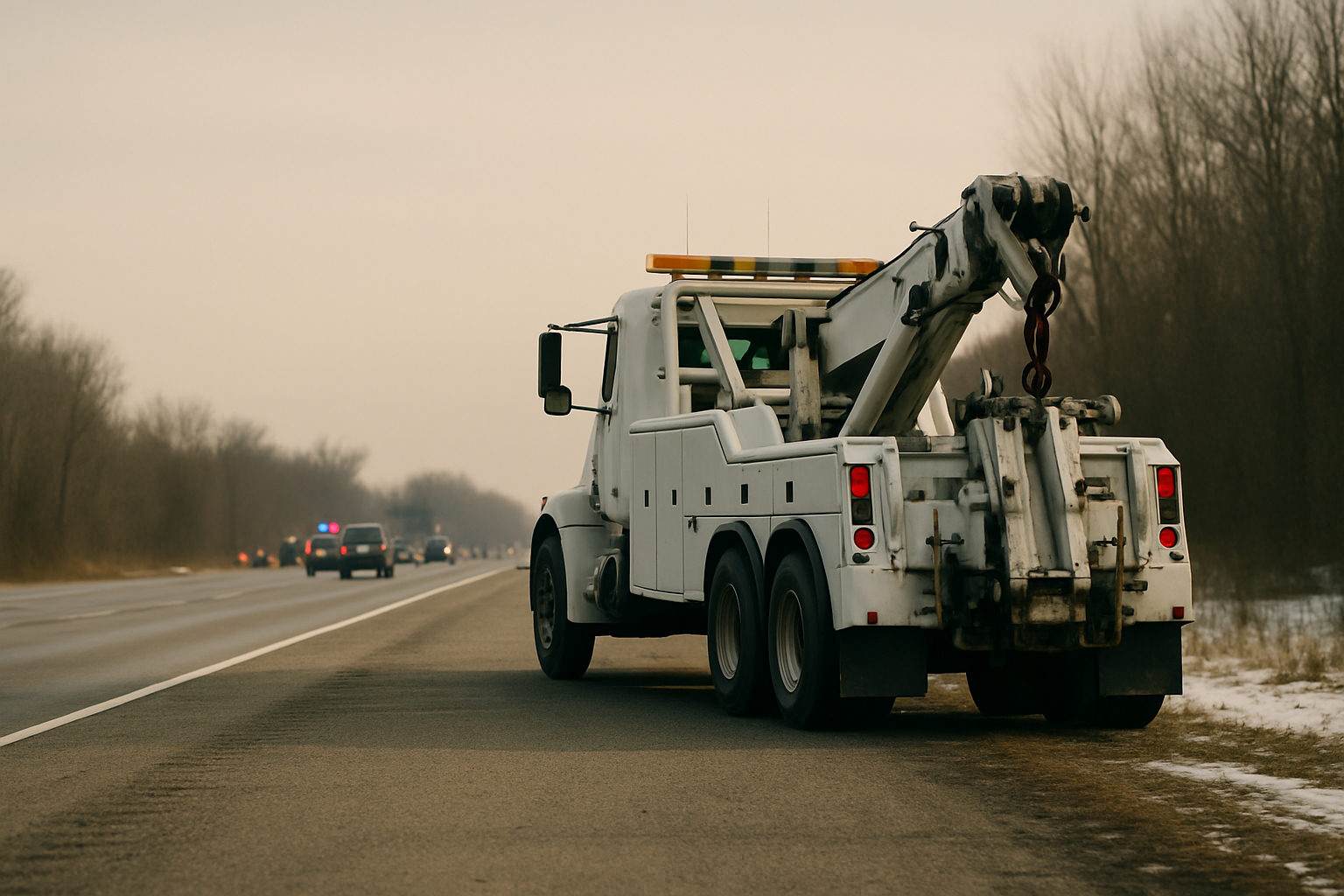
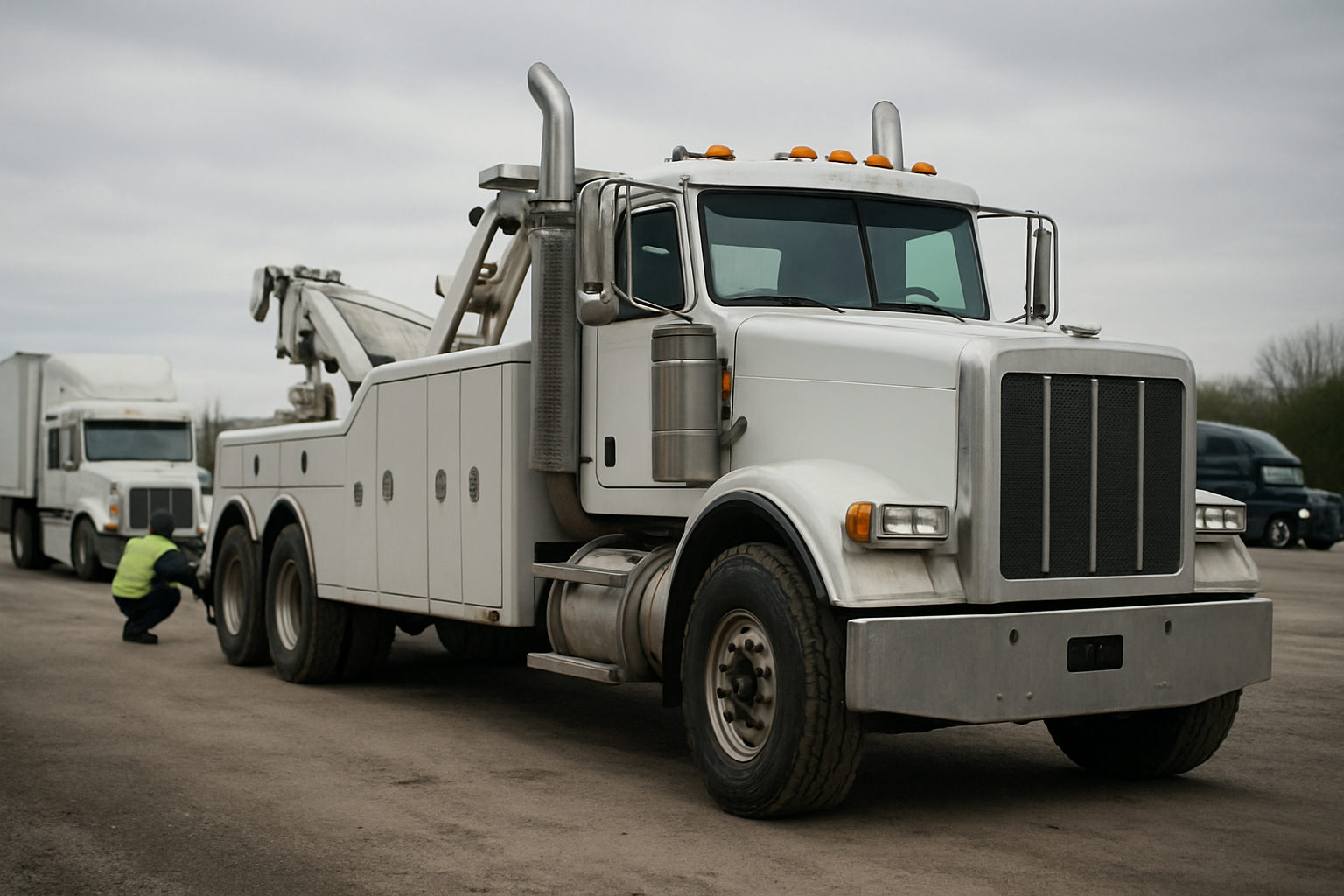
- Repair and tow. Brake, tire, and lighting defects are the most common OOS triggers during Roadcheck. A roadside tow plus emergency repair can add up fast, especially if you are stuck without a preferred shop nearby.
- CSA score damage. Violations feed your BASIC scores for 24 months. A bad blitz week result can push a carrier into a higher scrutiny bracket, which means more roadside stops for the next two years, not just one bad afternoon.
None of these are numbers we can hand you as a guarantee. Fine amounts vary by state and violation, and we are not going to invent a national average that does not exist. Budget for the worst case and treat a clean pre-trip inspection as the cheapest insurance you will buy all week.
How does one bad inspection week affect your insurance premium?
A single violation rarely moves your premium on its own, but a pattern of them does, and blitz week is exactly when patterns get created. Insurers underwriting new authority or renewal risk pull your safety record, and a spike in OOS violations or new CSA points is one of the fastest ways to get flagged for a higher rate or a non-renewal at your next term.
Here is what we can tell you from our own numbers, not a guess. Trucker Path Insurance tracked 47,234 FMCSA insurance cancellation filings nationwide between April 6, 2026 and May 25, 2026, a window that overlaps directly with blitz week season. Of those, 93% were primary liability cancellations filed on Form BMC-91X, 5.3% were surety bond cancellations (Form BMC-84), and 0.7% were cargo coverage cancellations (Form BMC-34). Losing primary liability coverage is by far the most common way a carrier's filing lapses, and a lapse during or right after a rough inspection week is one of the worst times for it to happen, because it is also when brokers and shippers are pulling your record most closely. You can verify current filing requirements directly with FMCSA.
If your policy is anywhere near a renewal date, a clean blitz week result is worth protecting on purpose, not by luck.
What can you actually change before blitz week hits?
The short answer: brakes, tires, and lights, in that order, because those are the three most common OOS triggers every single year. Walk your pre-trip checklist like an inspector would, not like a formality.
- Check brake stroke and lining thickness on every axle, not just the ones you can see easily. Out of adjustment brakes are consistently one of the top reasons trucks get placed out of service during Roadcheck, so this is not a box to check quickly.
- Check tire tread depth and look for cuts, bulges, or mismatched sizes on the same axle. A single underinflated or damaged tire on a dual setup is an easy miss during a rushed pre-trip but an easy catch for an inspector.
- Test every light, including marker lights and turn signals, in daylight where a dim bulb is easy to miss. Do this the night before too, since a bulb that looks fine at noon can be nearly invisible after dark.
- Confirm your logbook or ELD data matches your actual hours, since paperwork mismatches are an easy secondary violation once a truck is already stopped.
- Have your current insurance certificate and cargo documentation on hand and current, not expired by a month because renewal slipped.
- Check your steering and suspension components, including tie rods, king pins, and leaf springs, since worn suspension parts are a less obvious but still common OOS trigger that many drivers skip during a quick walk-around.
- Look at your coupling devices, fifth wheel, and air lines for wear or leaks. A slow air leak that seems minor on a normal day can become a violation the moment an inspector puts a gauge on it.
- If you have any open recalls or deferred maintenance items sitting on a shop list, get them closed out before the week starts rather than hoping they do not come up.
If you are hauling something outside standard dry van freight, like hazmat or oversized flatbed loads, your inspection risk profile is different too. Review what your policy actually covers before the week starts, not after a violation forces the question. Our coverages offered page breaks down what primary liability, cargo, and physical damage policies typically include so you know where your gaps are.
Is a rough inspection week worth fighting or just absorbing?
It depends on the size of the fine and the CSA impact, but for most owner-operators the smarter move is to fix the defect fast, pay what you owe, and focus energy on not repeating it. Fighting a citation in court rarely makes financial sense against the fine amount, and the clock on CSA scoring keeps running regardless.
| Scenario | Immediate cost | Downstream risk |
|---|---|---|
| Clean inspection, no violations | $0 direct cost, 15 to 30 minutes stopped | None, may improve CSA score |
| Minor violation, truck stays in service | Fine amount varies by state and violation type, check with your state department of insurance | CSA points for 24 months |
| OOS violation, brakes or tires | Fine plus tow and repair costs, no reliable national figure exists | CSA points, lost revenue day, renewal scrutiny |
| Insurance lapse discovered during stop | Truck grounded until proof of coverage is filed | Possible authority suspension until BMC-91X is refiled |
We left the dollar figures out of that middle column on purpose. Fines vary by state and by violation type, and there is no reliable national average we can point you to. Check with your state department of transportation or your own carrier's citation history for what actually applies to you. If you run lanes through Ohio or other high traffic corridor states, it is also worth confirming local enforcement patterns since inspection intensity is not identical everywhere.
Frequently Asked Questions
Continue reading
- Commercial truck insurance
- Compare truck insurance quotes
- Florida Minimum Insurance for Hotshot Trucking: What Applies to You
- Autonomous Truck Insurance: Roadside Inspection Requirements 2026
- Commercial Trucking Insurance in Pueblo: What It Costs
- Coverages we offer for owner-operators & fleets
- Common questions about trucking insurance
Ready to compare rates? Get a free trucking insurance quote from carriers built for trucking regulations.
About the author
Grant Holloway
Market Editor
Grant tracks what rates are doing, why, and what it means for the next renewal cycle.
More articles by Grant →Ready to Get Started?
Get personalized insurance quotes tailored to your business