Commercial Auto Fleet Insurance Illinois: What It Costs
Get Your Free Insurance Quote
Compare quotes from top carriers in minutes
Commercial auto fleet insurance in Illinois typically runs from a few thousand dollars per truck per year for a clean-record, short-haul fleet up to well over $15,000 per unit for fleets hauling hazmat or running long interstate miles with a thin safety record. There is no single statewide rate because Illinois does not set commercial auto premiums, carriers do, and they price each fleet on its own numbers. If you run two or more trucks under one authority, you are buying fleet coverage, and the price swings on a handful of factors you can actually influence.
This post skips the basic definitions (you already know what liability and cargo coverage are) and goes straight to the money: what drives the number up, what brings it down, and what a realistic Illinois fleet budget looks like in 2026.
What does fleet insurance cost per truck in Illinois?
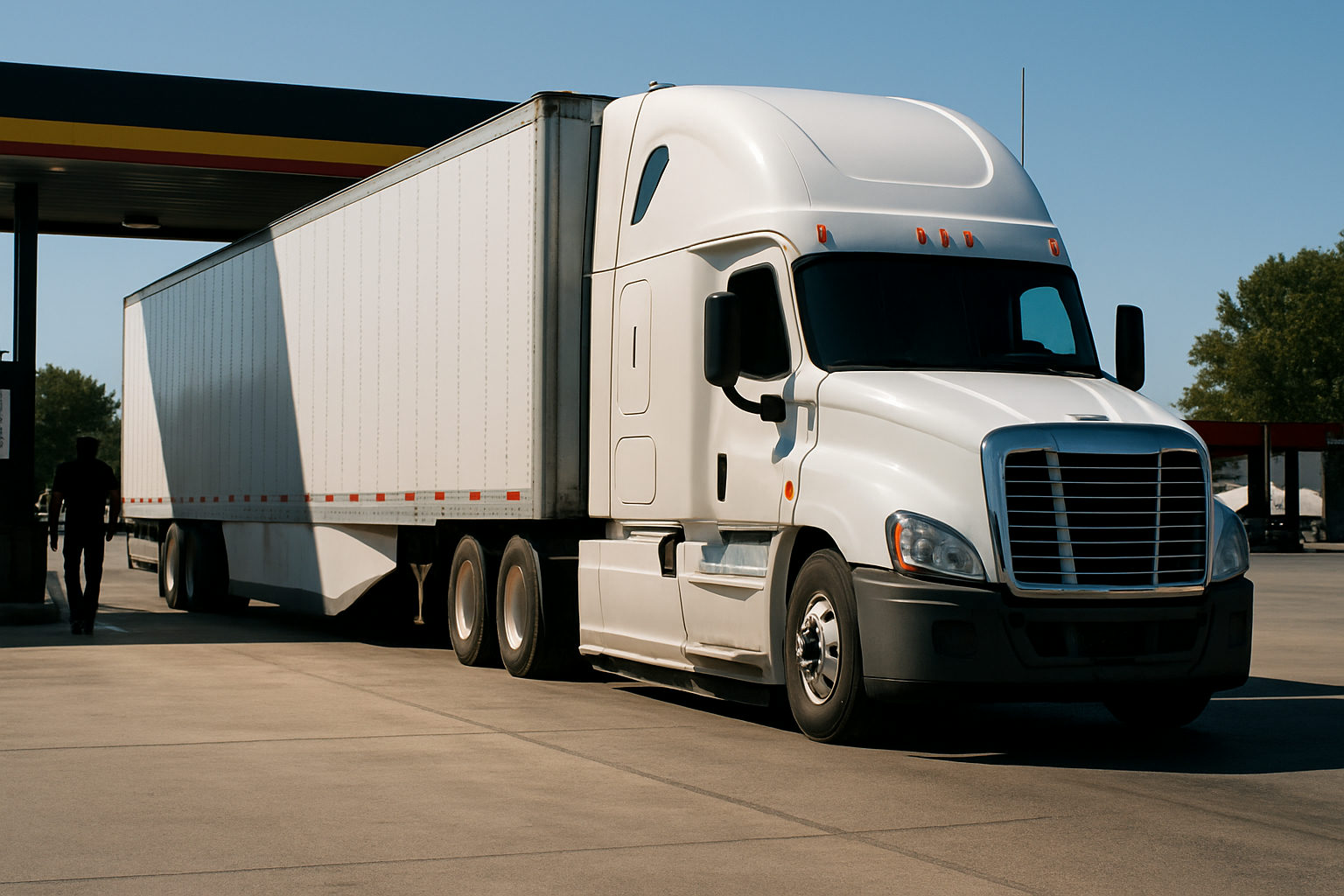
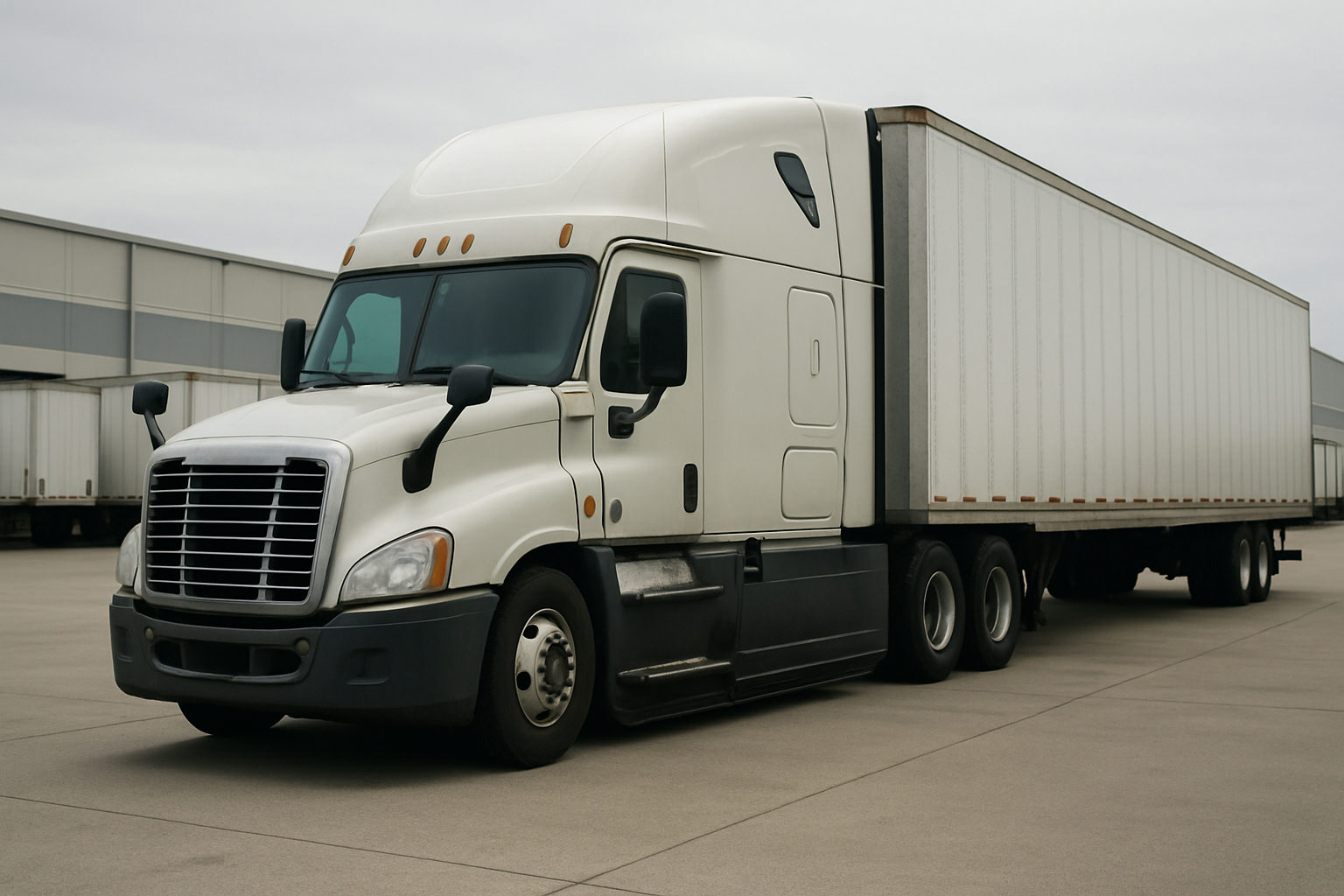
As a dated estimate for 2026, a small Illinois fleet of two to ten trucks hauling general dry van freight within a 500 mile radius, with no major claims in three years, is commonly quoted somewhere between $9,000 and $14,000 per power unit per year for a full package of primary liability, cargo, and physical damage. Add hazmat, tanker, or long-haul interstate exposure and that range climbs, sometimes past $18,000 to $20,000 per unit. These are rough planning numbers, not a quote, and your actual price depends on the carrier underwriting your fleet.
The spread exists because fleet pricing is really five or six separate levers stacked on top of each other. Pull one lever the wrong way and the whole number moves.
What actually drives the premium up or down?
The biggest levers are fleet size, radius of operation, driver experience, equipment type, and claims or violation history, roughly in that order of weight for most underwriters. Here is how each one typically moves the number.
| Factor | Effect on premium | What you can do about it |
|---|---|---|
| Radius of operation | Long-haul interstate costs more than local or regional | Keep accurate mileage logs; underwriters price on actual radius, not guesses |
| Driver experience | Drivers under 2 years CDL experience raise the rate per unit | Pair new hires with experienced drivers; some carriers discount for mentorship programs |
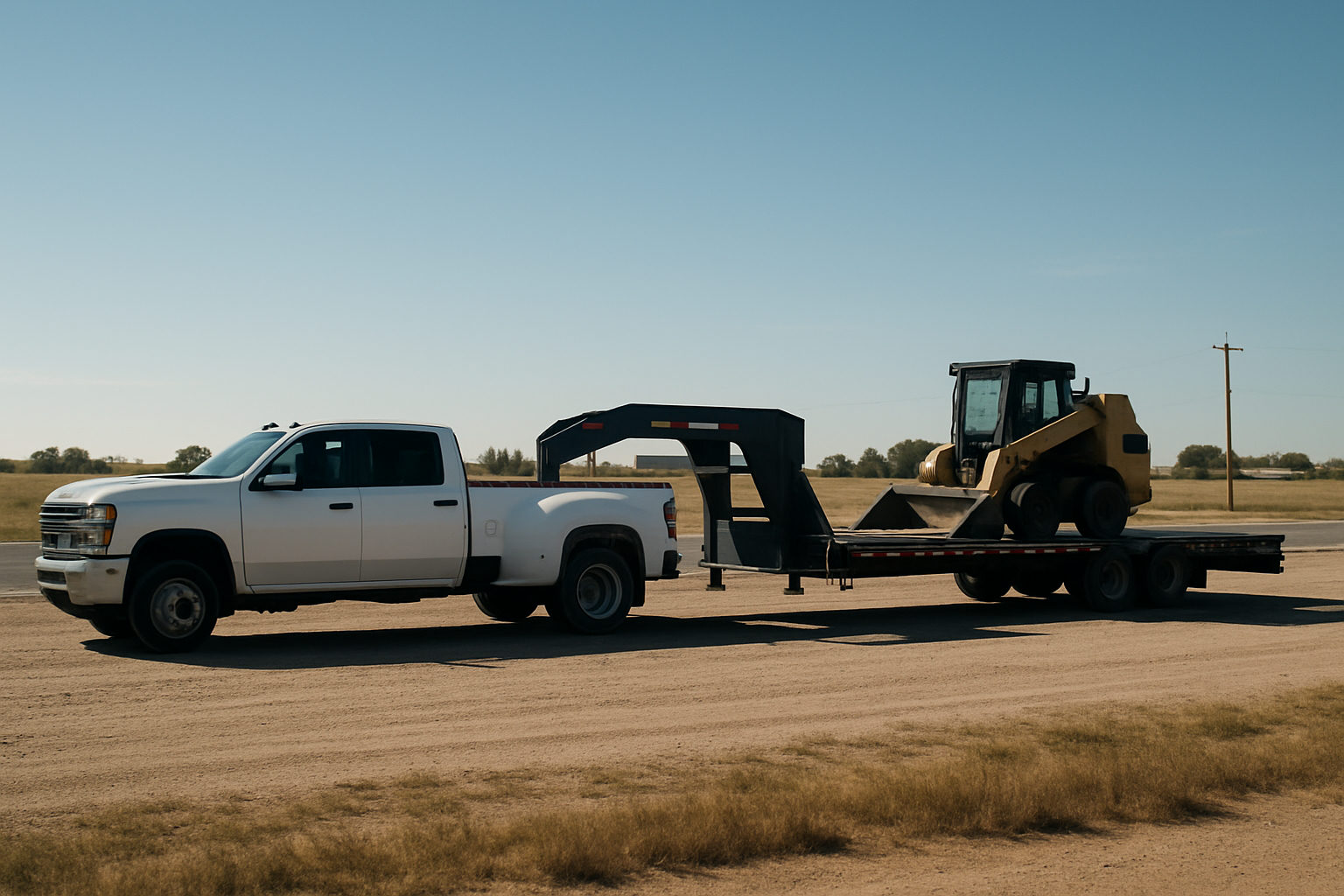
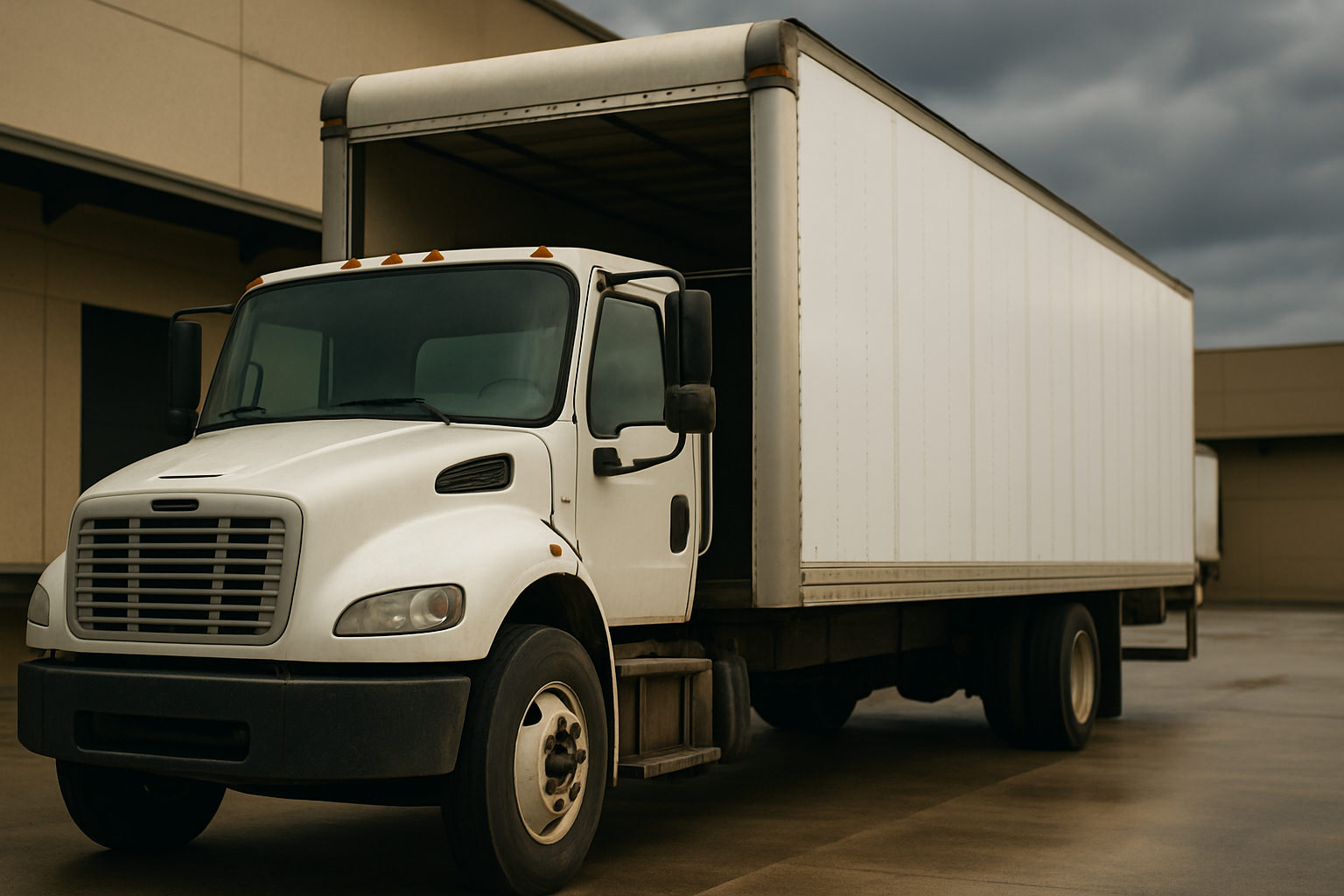
| Equipment type | Tanker, hazmat, and flatbed run higher than dry van or box truck | Separate exposure by unit type when you shop, don't let one hazmat truck inflate the whole fleet quote |
| Claims history | One at-fault accident can raise renewal 20 to 40 percent or more, depending on severity and history | Push for telematics-based safety credits; some carriers reward dash cams and ELD data |
| Fleet size | Larger fleets get per-unit economies of scale | Bundling trucks under one fleet policy usually beats insuring each truck separately |
| New authority (under 2 years) | New MC numbers pay a surcharge almost everywhere | Ask specifically about new-authority programs instead of standard fleet quotes |
Sample cost ranges by fleet size and cargo type
These are typical market ranges as of 2026, not quotes, and they assume a clean safety record with no major claims in the last three years. Your actual number will move up or down based on the factors above.
| Fleet profile | Typical per-unit range (2026) |
|---|---|
| 2 to 5 trucks, dry van, regional | $9,000 to $13,000 |
| 6 to 10 trucks, dry van, regional | $8,500 to $12,500 |
| 2 to 10 trucks, long-haul interstate | $12,000 to $18,000 |
| Hazmat or tanker, any fleet size | $15,000 to $20,000+ |
| Reefer or high-value cargo | $13,000 to $19,000 |
Is it cheaper to insure a fleet or each truck separately in Illinois?
Bundling trucks under one fleet policy is almost always cheaper per unit than insuring them one at a time, because the carrier spreads its risk and administrative cost across more premium. The break-even point where fleet pricing clearly beats individual policies is usually around three to five trucks, though some carriers offer fleet-style discounts starting at two units. If you're still running a single truck, start with owner-operator insurance in Illinois and move to a fleet program once you add a second unit.
Worth knowing: across the states we serve, including Illinois, 62% of carriers run a single power unit and another 28% run between two and five, based on Trucker Path Insurance analysis of FMCSA MCS-150 filing data. A lot of small operators are paying individual-truck rates when a fleet program would save them real money per unit, so it's worth checking where your truck count actually puts you. For Illinois-specific requirements and local rate context, see our Illinois commercial truck insurance guide.
What coverage does Illinois actually require versus what fleets should carry?
Federal rule sets the floor, and most shippers push that floor higher in practice. Under 49 CFR Part 387, interstate carriers hauling general freight at 10,001 lbs GVWR or more need a minimum of $750,000 in public liability, but in practice most brokers and shippers require $1,000,000, so that's the working standard almost every fleet should quote to. Hauling oil or many other hazardous materials raises the federal minimum to $1,000,000, and bulk explosives, poison gas, or hazardous substances require $5,000,000. These figures are federal and don't change by state, though Illinois may layer its own intrastate rules on top, so confirm your specific setup with FMCSA or the Illinois Department of Insurance before you bind anything.
This section is informational guidance based on federal rule and common industry practice, not legal or insurance advice. Your specific obligations depend on your authority type, cargo, and radius, so confirm the details with a licensed agent or your state's Department of Insurance before you bind a policy.
Beyond the liability floor, a fleet's real coverage list usually includes motor truck cargo, physical damage, non-trucking liability for when a truck is off dispatch, and trailer interchange if you swap trailers with other carriers. As a typical market range as of 2026, motor truck cargo coverage runs from $100,000 to $250,000 per occurrence for general freight fleets, though reefer, high-value, or specialized loads often push that limit higher and add specific exclusions you need to read carefully. Physical damage coverage, which pays for damage to your own trucks and trailers, is usually written as actual cash value for older equipment and replacement cost for newer units, and the choice between the two can swing your premium meaningfully on a fleet with a mixed-age lineup. Non-trucking liability, sometimes called bobtail coverage, matters more than owners expect because a truck driving home empty after a delivery is not automatically covered under your primary liability policy unless you have this endorsement in place. Trailer interchange coverage is worth a second look if your fleet regularly pulls trailers owned by other carriers or brokers, since a gap there can leave you paying out of pocket for damage to equipment you don't even own. For a deeper look at what drives program pricing specifically, see how fleet program cost is calculated.
How do claims and cancellations affect fleet pricing in Illinois?
A cancelled policy or a gap in coverage is one of the fastest ways to push your fleet into the high-risk tier, because underwriters read a cancellation filing as a red flag regardless of the reason behind it. Trucker Path Insurance tracked 47,234 FMCSA insurance cancellation filings nationwide between April 6, 2026 and May 25, 2026, and Illinois was among the top states by filing volume in that window, ranking behind only California among the states we monitor. If your fleet has had a lapse, even a short one, expect underwriters to ask about it directly, and have a clear explanation ready before you shop renewal quotes.
A single at-fault accident can raise renewal premiums by 20 to 40 percent or more, depending on severity, claim amount, and prior driving or loss history, a pattern documented across personal and commercial auto insurance alike by the National Association of Insurance Commissioners, with additional detail summarized by Hammack Law Firm. For a fleet, the effect compounds: one bad claim on one truck can raise the renewal rate across the whole fleet if the underwriter treats it as a signal about your overall safety culture rather than an isolated incident. That's why carriers increasingly ask for telematics data, dash cam footage, and documented driver training records at renewal, not just at the first quote. If a claim happens, getting ahead of it with a clear incident report and any corrective action you've taken (new MVR screening, a mentorship pairing, an added camera system) can soften how the next renewal prices it.
How can a small Illinois fleet lower its insurance bill without cutting coverage?
The fastest real lever is shopping multiple carriers at once instead of renewing on autopilot, because fleet pricing varies more between carriers than most owners expect. A broker who quotes across several markets can usually find a better fit for your specific mix of equipment and radius than a single captive agent. Beyond shopping around, tightening your MVR standards, running dash cams or telematics, and keeping your FMCSA safety scores clean are the three changes that move renewal pricing the most over a one to two year horizon.
If you're comparing Illinois against other states before deciding where to base operations, commercial truck insurance rates by state is a useful side-by-side starting point.
Frequently Asked Questions
Continue reading
- Illinois trucking insurance requirements
- Compare truck insurance quotes
- Pickup Truck Insurance: Personal vs Commercial Coverage Guide
- Out of Service Violations and Insurance Premiums
- English Proficiency Violation Insurance Rates
- Coverages we offer for owner-operators & fleets
- Common questions about trucking insurance
Ready to compare rates? Get a free trucking insurance quote from carriers built for insurance tips.
Ready to Get Started?
Get personalized insurance quotes tailored to your business