Car Insurance for Truck Drivers: What It Actually Covers
Get Your Free Insurance Quote
Compare quotes from top carriers in minutes
Car insurance for truck drivers almost always means two separate policies, not one. Your personal auto policy covers the car or pickup you drive at home. It does not cover you hauling freight, and in most cases it stops covering you the moment you're behind the wheel of your commercial truck, even off duty. Meanwhile your commercial trucking policy covers your rig for business use, but it typically excludes your personal car in the driveway. Mixing the two up is one of the most common and most expensive gaps owner-operators run into.
This post breaks down where personal auto ends, where commercial coverage begins, and the one gap (non-trucking liability) that catches a lot of drivers off guard.
Does personal car insurance cover a truck driver's rig?
No. A standard personal auto policy is written for private passenger use, not for a commercial motor vehicle hauling freight under a DOT number. If you're leased to a carrier or running under your own authority, your personal auto carrier can deny a claim outright once they find out the vehicle was being used commercially.
This is true even if you only drive part-time or you're an owner-operator who also uses the truck to run errands. Insurers classify vehicles by how they're actually used, not by what's parked in your driveway. If the truck shows up on a DOT inspection report or you're hauling a load when something happens, a personal policy is likely to treat that as excluded commercial use.
What's the real difference between car insurance and commercial truck insurance?
Car insurance protects a private vehicle for personal errands, commuting, and family use. Commercial truck insurance protects a vehicle being used to earn money moving freight, and it's built around federal liability minimums, cargo exposure, and the specific equipment you run.
Under 49 CFR Part 387, interstate carriers hauling general freight need at least $750,000 in public liability coverage, though most shippers and brokers in practice require $1,000,000. Hazmat and oil haulers need $1,000,000, and $5,000,000 applies to explosives, poison gas, and bulk hazardous substances. You can check the current limits directly at fmcsa.dot.gov, and it's worth confirming any number here with FMCSA or your state department of insurance before you buy, since requirements can shift and your specific operation may have its own wrinkle.
None of that applies to a personal auto policy. A personal policy usually carries much lower liability limits, typically in the tens of thousands rather than hundreds of thousands, because it's priced for the much smaller risk of driving a car to the grocery store.
Do company drivers need their own commercial truck insurance?
Company drivers usually don't need to buy a separate commercial truck insurance policy, because the motor carrier that employs them carries the primary liability and cargo coverage on the truck as part of running the business.
That said, a company driver still needs their own personal auto policy for their personal vehicle at home, the same as anyone else. Where things get more complicated is for owner-operators, who either own their truck outright or lease it to a carrier. If you're leased on, your carrier's policy typically only covers you while you're dispatched on a load, which is why the non-trucking liability gap discussed below exists in the first place. If you run under your own authority, you only need primary liability and cargo coverage, not NTL. The short version: the more control you have over your truck and your authority, the more of this falls on you to arrange yourself.
Do truck drivers need non-trucking liability coverage for their personal car?
Non-trucking liability (NTL) is a policy that covers your truck when you're driving it for personal reasons instead of hauling a load under dispatch, like running to the store or heading home between runs.
If you own the truck and lease it to a carrier, yes, you almost certainly need NTL, and it's a different thing than your personal car policy. Your carrier's commercial policy generally only covers you while you're under dispatch, so there's a gap in between. NTL is typically purchased by owner-operators leased to a motor carrier for exactly this kind of off-dispatch personal use. If you run under your own authority, you only need primary liability and cargo coverage, not NTL.
This is separate from the personal car insurance you carry on your own vehicle at home. If you own a pickup or sedan that's never used for freight, that vehicle is insured under a normal personal auto policy and NTL has nothing to do with it. The confusion usually comes from drivers assuming one policy stretches to cover everything they drive, which it does not.
A quick way to sort out which policy applies
- Personal car, personal errands only: standard personal auto policy
- Commercial truck, under dispatch hauling a load: primary liability and motor truck cargo through your commercial policy
- Commercial truck, off dispatch, personal use, leased to a carrier: non-trucking liability
- Commercial truck, bobtailing between loads but still working: usually still commercial liability, not NTL, depending on your lease terms
Why do truck drivers pay more for personal car insurance?
Occupation can affect personal auto rates because insurers weigh annual mileage, time spent on the road, and claims history by job type, and long-haul drivers often score higher on some of those factors even for their personal vehicle. It's not a universal rule and it varies a lot by carrier and state, so the honest answer is: check quotes directly rather than assuming a flat surcharge.
What matters more for your bottom line is making sure you're not paying for coverage you don't need, or worse, discovering a gap after a claim. Trucker Path Insurance tracked 47,234 FMCSA insurance cancellation filings nationwide between April 6, 2026 and May 25, 2026. A big share of cancellations happen because drivers let a policy lapse without realizing a second one (like NTL) needed to pick up the slack, or because they assumed one policy covered everything. A lapse on your commercial side can also follow you into future quotes as a red flag, so it pays to get the structure right the first time.
| Coverage type | What it protects | Typical liability limit | Who needs it |
|---|---|---|---|
| Personal auto | Your car or truck for personal, non-commercial use | State minimums, often $25,000 to $100,000* | Anyone driving a private vehicle, including off-duty truck drivers |
| Primary liability (commercial) | Your rig while hauling freight under dispatch | $750,000 to $1,000,000+ depending on freight type, per FMCSA | Owner-operators and fleets under a DOT number |
| Non-trucking liability (NTL) | Your rig when off dispatch, personal use | Varies by policy, often matches or approaches primary limits* | Leased owner-operators between loads |
| Motor truck cargo | Freight you're hauling if it's damaged or lost | Set by cargo value, commonly $100,000* | Anyone hauling freight for hire |
*These figures are general estimates as of October 2026 and vary by carrier, state, and driving history. Confirm exact numbers with FMCSA or your state department of insurance before relying on them.
How do owner-operators avoid paying for two overlapping policies?
You don't avoid paying for both, but you avoid overpaying by making sure each policy only covers what the other doesn't, and by shopping the combination as a package where possible. If a broker writes your physical damage (bobtail) coverage alongside your non-trucking liability (NTL) policy, bundling the two can sometimes qualify you for a discount. Some insurers also discount NTL when you pay the annual premium in full. If you run under your own authority, you only need primary liability and cargo coverage, not NTL, so this particular three-way bundle of liability, cargo, and NTL isn't how the coverage is structured in practice. See Truckinfo.net's guide to non-trucking liability insurance for more on how NTL is typically packaged.
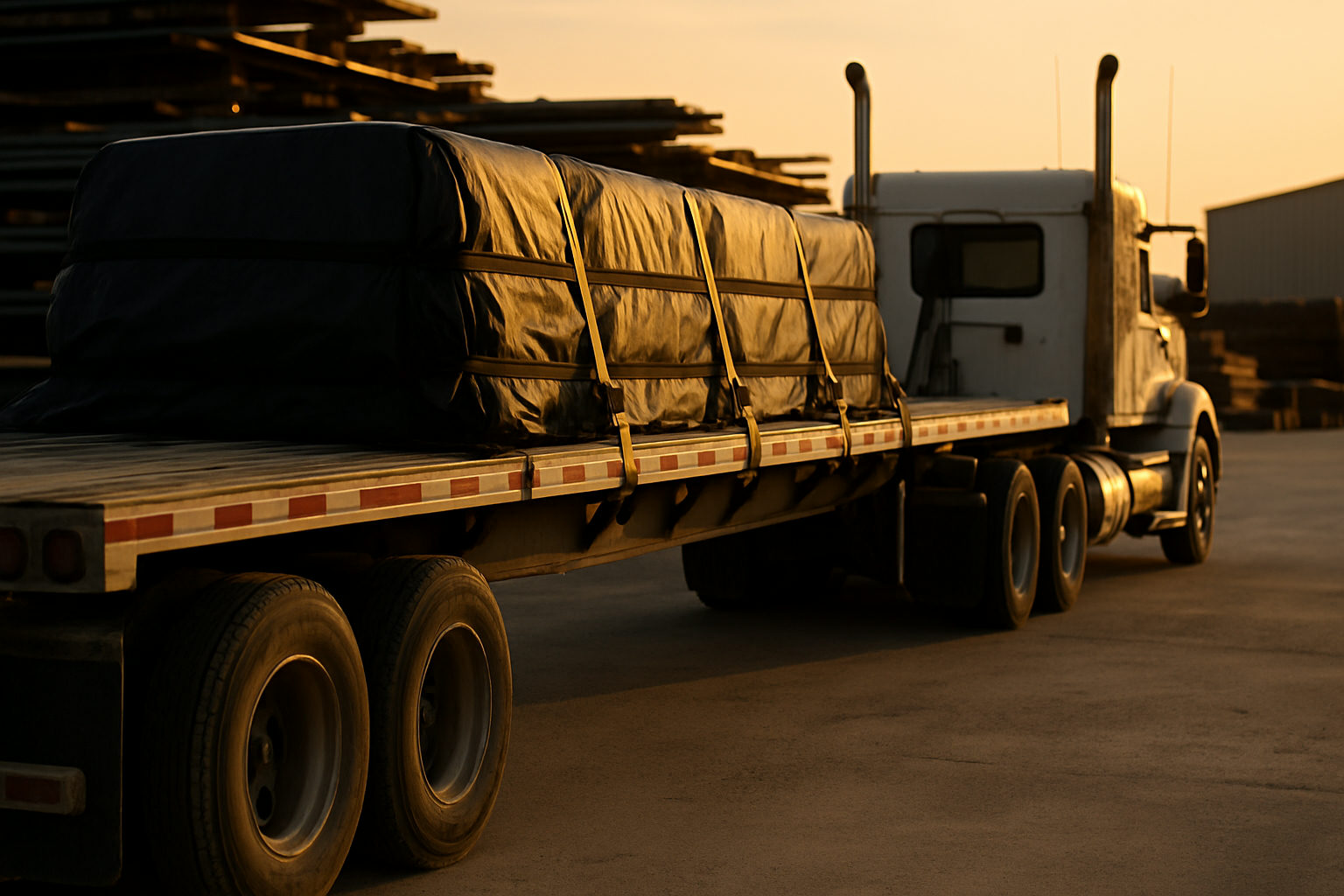
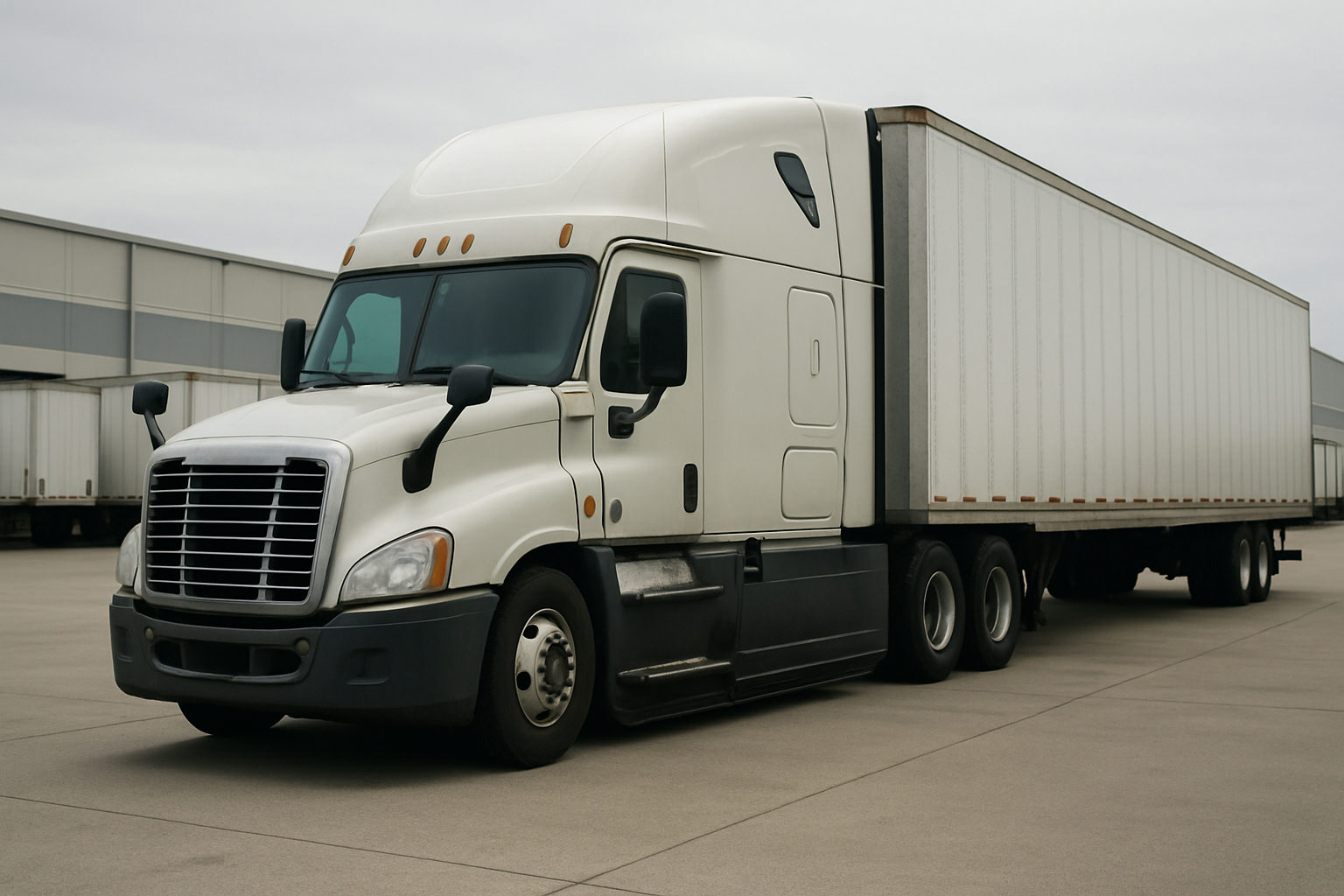
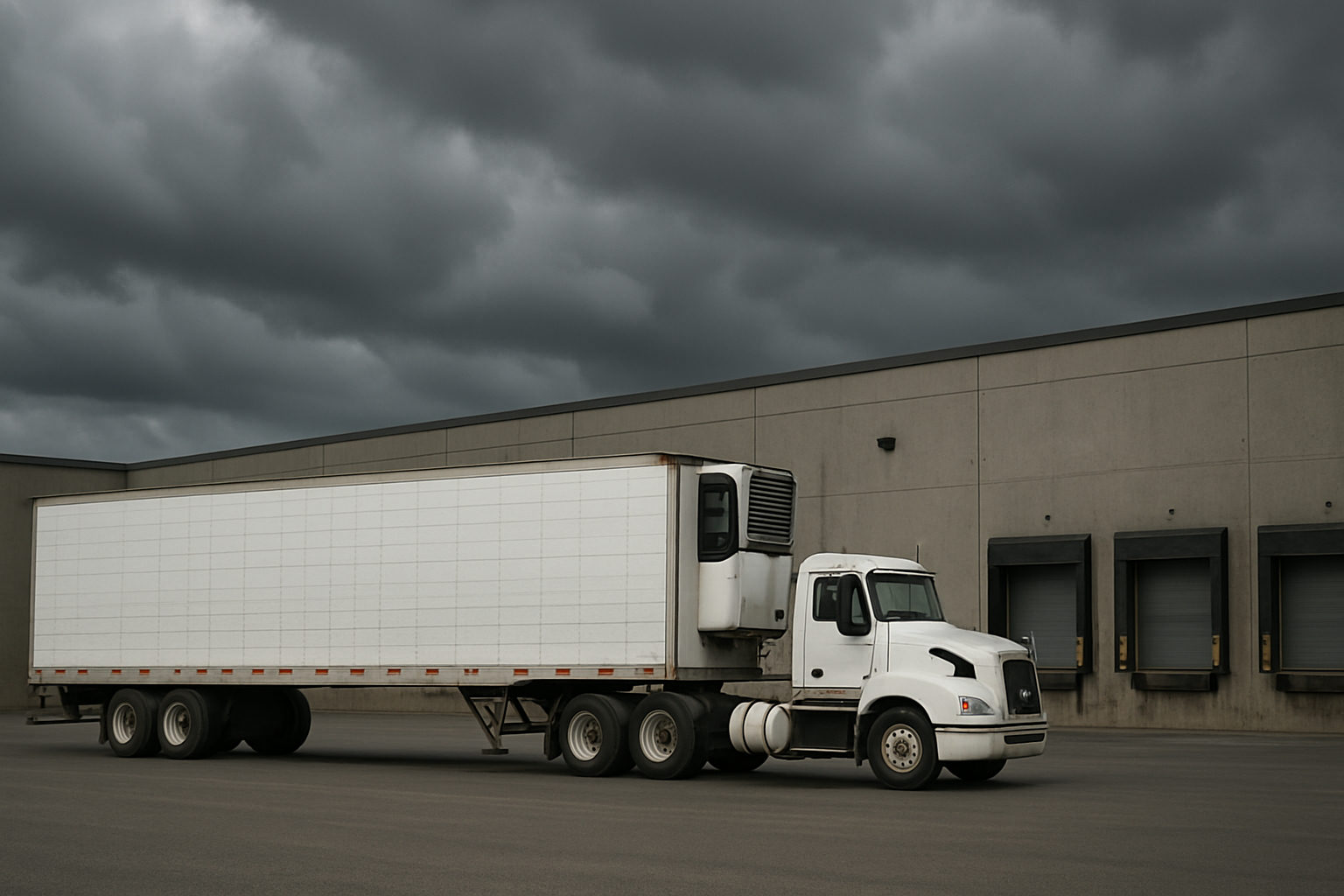
If you're not sure what equipment-specific coverage you need, start with the page for your truck type. The requirements and typical setups differ for a semi truck, a flatbed, or a hotshot rig, and reading the one that matches your operation will save you from guessing at limits that don't apply to you. For a broader overview of how commercial coverage is structured, the truck insurance page walks through the main policy types side by side.
Frequently Asked Questions
Continue reading
- Commercial truck insurance
- Compare truck insurance quotes
- Tow Truck Insurance Requirements and What It Actually Costs
- English Proficiency Violation Insurance Rates
- What Is a Reefer Truck? How Refrigerated Trucks Work
- Coverages we offer for owner-operators & fleets
- Common questions about trucking insurance
Ready to compare rates? Get a free trucking insurance quote from carriers built for insurance tips.
Ready to Get Started?
Get personalized insurance quotes tailored to your business