Auto Hauler Insurance in Pennsylvania: What It Costs
Get Your Free Insurance Quote
Compare quotes from top carriers in minutes
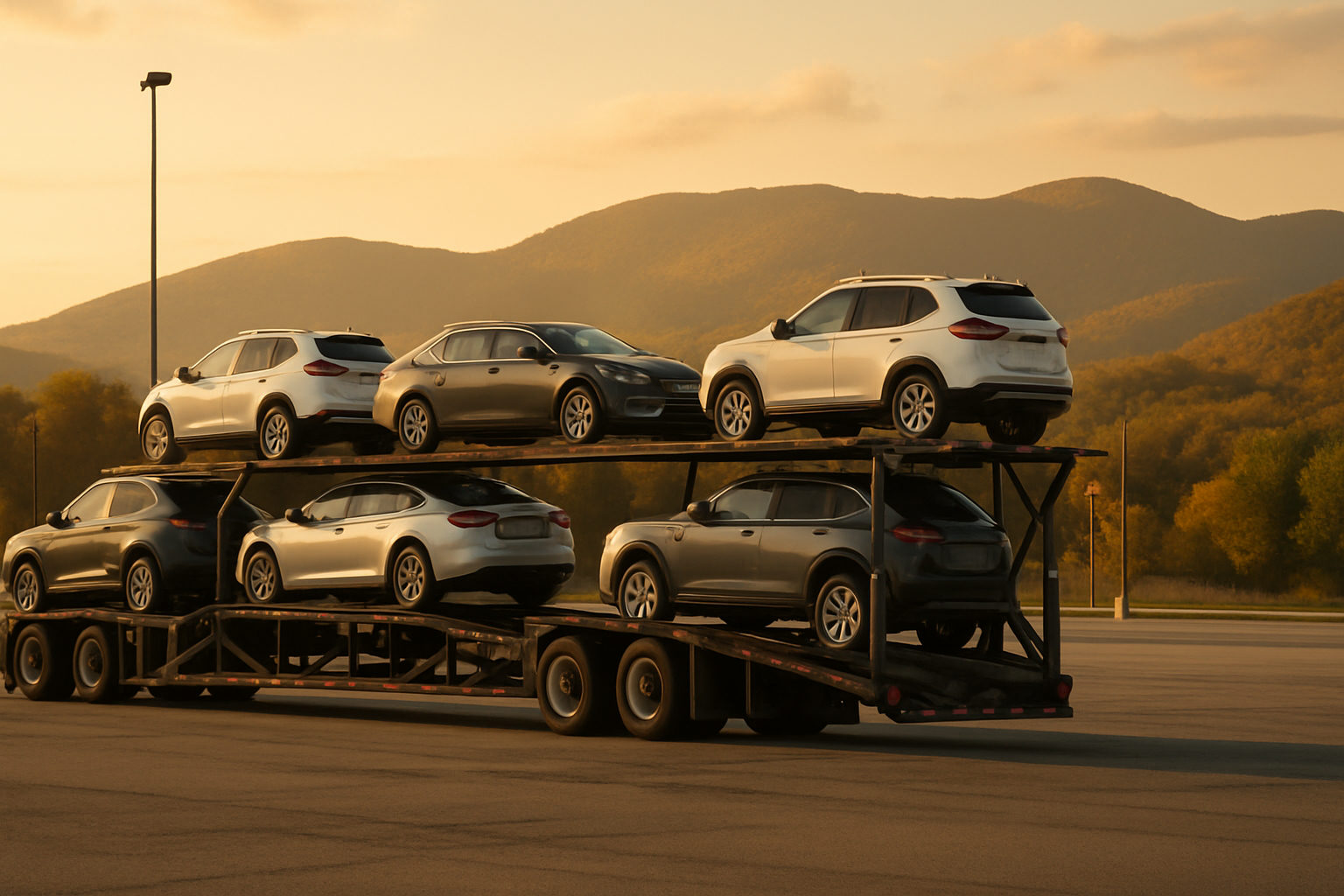
Auto hauler trucking insurance in Pennsylvania is built around one thing dry van coverage doesn't have to worry about: the cargo is rolling, expensive, and easy to scratch. If you're running a car hauler through Pittsburgh, Philly, or anywhere on I-80 or I-81, you need primary liability, motor truck cargo coverage sized for the vehicles you carry, and usually physical damage on your rig. Rates for car haulers in Pennsylvania typically run higher than standard freight because the cargo values per load are so much bigger.
This post walks through what coverage you actually need, roughly what it costs, how Pennsylvania-specific rules factor in, and what mistakes get auto haulers denied claims. If you just want quotes, you can skip to the end. If you want to understand what you're buying first, keep reading.
What insurance does a car hauler need in Pennsylvania?
An auto hauler operating under interstate authority in Pennsylvania needs at minimum primary liability and motor truck cargo insurance, and almost every operation also carries physical damage on the truck and trailer. Here's the breakdown:
- Primary liability: Covers bodily injury and property damage you cause to others. Federal rules under 49 CFR Part 387 set the floor at $750,000 for general freight over 10,001 lbs GVWR in interstate commerce, but in practice most brokers, shippers, and finance companies want to see $1,000,000. Verify current requirements with FMCSA or your state department of insurance before you assume a number.
- Motor truck cargo: This is the one that matters most for auto haulers. It covers the vehicles on your trailer if they're damaged, stolen, or destroyed in a wreck or fire. In our experience quoting these policies, standard cargo limits are often written around $100,000 as a default starting point, which isn't enough if you're hauling six SUVs or a load of trucks worth $250,000 combined. You need a cargo limit that actually matches what you carry, not a generic default number, and your agent should be able to walk through how that limit gets set for your specific loads.
- Physical damage: Covers your truck and specialized car hauler trailer against collision, fire, theft, and weather. Given how many auto haulers run financed rigs, lenders usually require this anyway.
- Non-trucking liability: If you own your truck and drive under someone else's authority sometimes, you need this for when you're using the truck off-dispatch.
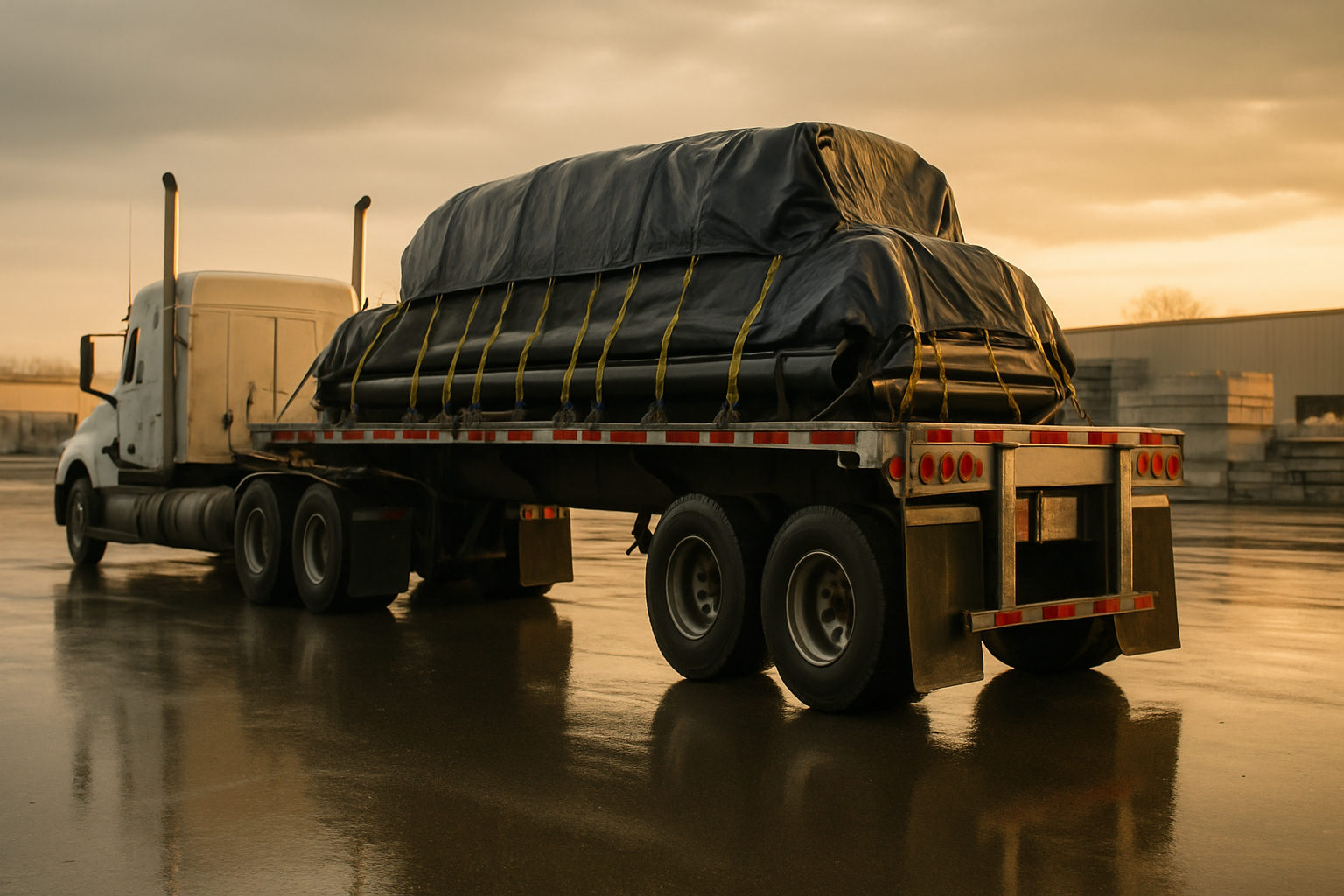
If you're weighing whether a flatbed-style hauler or an enclosed trailer setup fits your operation better, our flatbed truck insurance page walks through how coverage differs by equipment type, which matters when you're deciding what to insure your car hauler as.
How much does auto hauler insurance cost in Pennsylvania?
There's no single number that applies to every operation, and any broker who quotes you a firm price before pulling your MVR, loss history, and equipment details is guessing. Based on what we've seen quoting Pennsylvania car haulers running a $150,000 cargo limit, annual premiums often land somewhere in the $9,000 to $18,000 range as of late 2025, with new authority, thin loss history, or wide operating radius pushing toward the higher end. This is our own illustrative estimate from working with this equipment type, not a published rate study, and your actual number depends entirely on the factors below.
What drives the price up or down for car haulers specifically:
| Factor | Effect on premium |
|---|---|
| Cargo limit needed | Higher limits (150k+) cost more than standard 100k cargo |
| Years of car hauling experience | New authority or new to this equipment type raises rates |
| Radius of operation | Long-haul across multiple states usually costs more than regional PA-only runs |
| Loss history | Prior cargo claims (scratches, transport damage) raise renewal pricing fast |
| Trailer type | Enclosed multi-car trailers often cost more to insure than open trailers, largely because enclosed haulers typically carry higher-value cargo (luxury, classic, and exotic vehicles) and correspondingly higher cargo insurance limits, commonly $250,000 to $1,000,000+ per shipment versus $100,000 to $250,000 for open haulers, which drives up premiums. Source: SAKAEM Logistics (current as of November 2025). |
New authority car haulers in Pennsylvania should expect to pay more in year one simply because carriers have no track record to price against. That gap usually narrows after 12 to 24 months of clean claims history. If you're just getting your MC number, our guide on trucking insurance tips covers what new operators should line up before they call for quotes, and our breakdown of trucking authority and BMC-91 filing costs is worth reading before you bind coverage, since a lapsed filing can undo an otherwise good policy.
Does Pennsylvania have its own rules for auto haulers?
Pennsylvania follows the federal minimums for interstate carriers, but the state layers on its own intrastate requirements and vehicle registration rules if you're running strictly within Pennsylvania. The distinction matters: if you're hauling cars from a Philadelphia auction to dealers only inside the state, you may fall under intrastate rules rather than the federal interstate minimums.
In practice, intrastate carriers in Pennsylvania typically need to hold operating authority through the Pennsylvania Public Utility Commission (PUC) in addition to any DOT registration, and the PUC has its own insurance filing process separate from the federal BMC-91 filing used for interstate authority. We don't want to hand you an outdated intrastate minimum here, because the PUC updates its filing requirements periodically and the correct figure depends on your cargo class and vehicle weight. Check the current minimums directly with the Pennsylvania Public Utility Commission before you assume your interstate policy automatically satisfies intrastate rules, or the other way around.
Because state-specific requirements shift and get updated, don't rely on secondhand summaries, including this one, as your final answer. Check current Pennsylvania requirements directly through the Pennsylvania PUC or confirm with FMCSA, and see our Pennsylvania trucking insurance page for how coverage typically gets structured for carriers based in or running through the state.
What mistakes cause auto hauler claims to get denied?
The most common denial reason for car haulers is a cargo limit that doesn't match the actual value on the trailer at the time of loss. If you're insured for 100k in cargo and you're hauling 180k worth of vehicles, the insurer may only pay up to your policy limit, leaving you covering the rest out of pocket, or they may flag the mismatch and dispute the claim depending on your policy language.
Other denial triggers specific to auto hauling:
- Undeclared trailer type. Running an enclosed trailer when your policy lists open transport, or vice versa, can complicate a claim.
- Loading and securement issues. If a vehicle shifts or falls because it wasn't properly chained or strapped, some insurers treat that as a preventable loss tied to negligence rather than a covered accident.
- Gaps between authority and coverage. If your MC authority lapses or your BMC-91 filing isn't current, a claim during that gap can get denied outright. As a broker, we handle these filings for our customers so this doesn't slip through.
- Driving outside your rated radius or state list. If your policy is written for regional PA hauling and you take a load to Ohio without updating your policy, that's a conversation to have with your insurer before it becomes a claim problem.
None of this means you need to overinsure just to be safe. It means your cargo limit and trailer details need to match what you're actually running, updated whenever your typical load value changes.
How do I compare auto hauler insurance quotes?
The right way to compare quotes is to line up the same coverage limits across each option, not just the bottom-line premium. A quote that looks 20 percent cheaper but has a 50k cargo cap when you need 150k isn't actually cheaper, it's underinsured. When you're comparing:
- Confirm the cargo limit matches your typical load value, not a generic default.
- Ask whether the physical damage deductible is workable if you had to file today.
- Check if non-trucking liability is included or needs to be added separately.
- Ask how the carrier handles multi-vehicle claims, since one wreck with six cars on the trailer means six separate valuations.
Not every carrier writes this equipment type well. Some are strong on dry van and weak on specialized hauling, and that difference tends to show up at claim time, not at binding, so it's worth asking directly how a carrier has handled car hauler claims before you sign.
Frequently Asked Questions
Continue reading
- Pennsylvania trucking insurance requirements
- Compare truck insurance quotes
- Specialty Trucking Coverage: What to Check Before You Buy
- Autonomous Truck Warning Beacon Insurance Liability
- Rider Policy for Truck Drivers: What It Costs in 2026
- Coverages we offer for owner-operators & fleets
- Common questions about trucking insurance
Ready to compare rates? Get a free trucking insurance quote from carriers built for insurance tips.
Ready to Get Started?
Get personalized insurance quotes tailored to your business