Specialty Trucking Coverage: What to Check Before You Buy
Get Your Free Insurance Quote
Compare quotes from top carriers in minutes
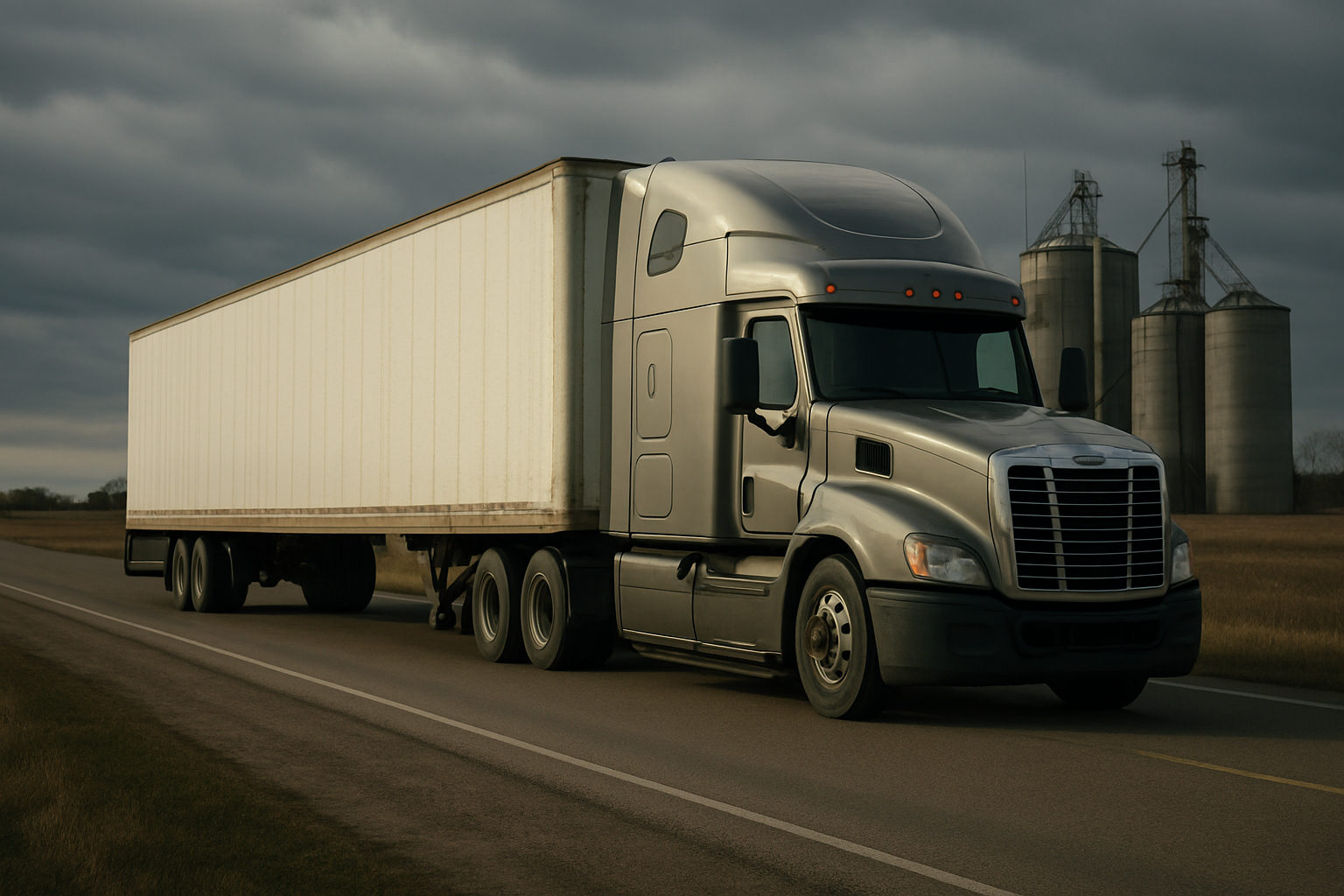
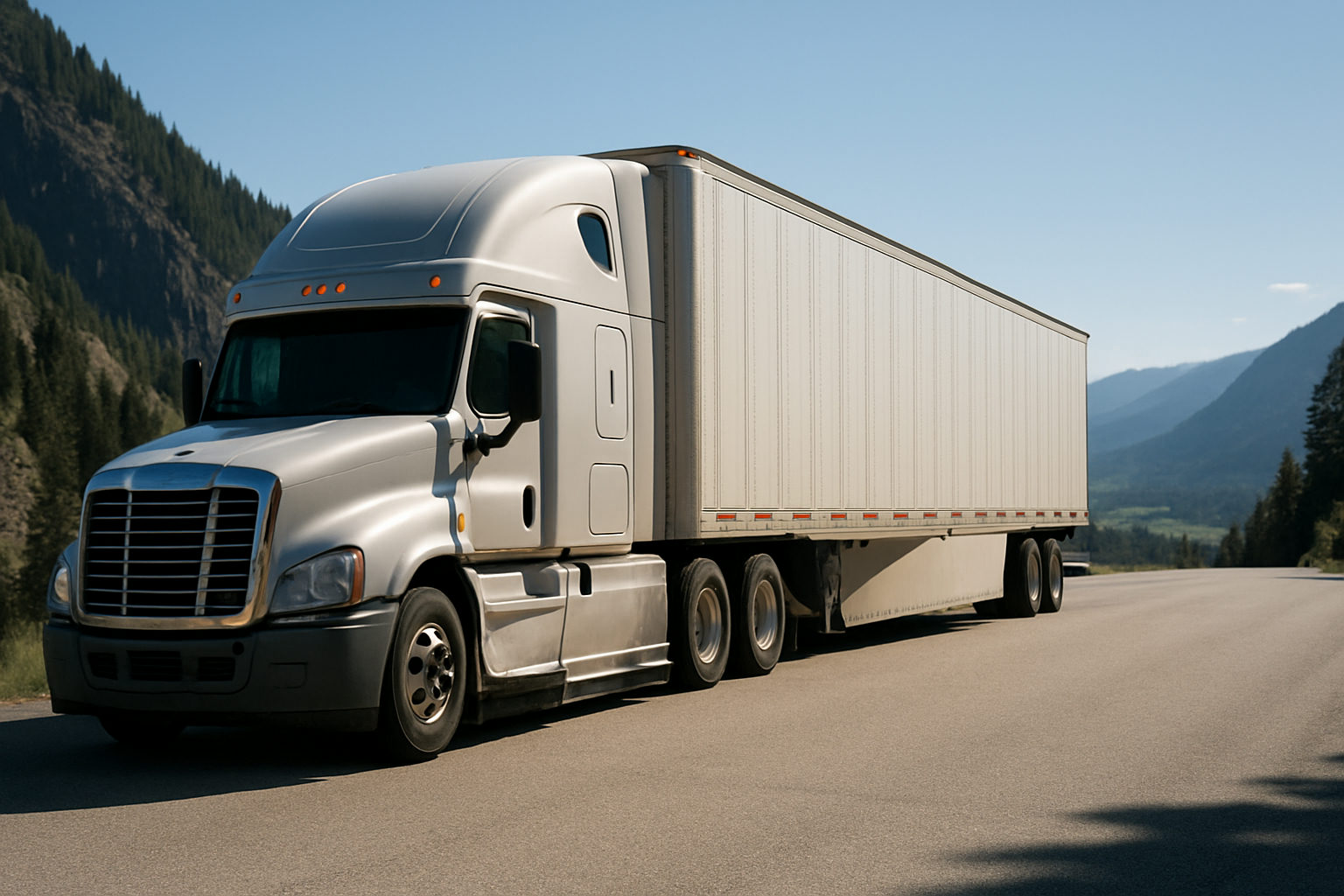
Specialty trucking coverage is insurance built around what you actually haul and how you haul it, not a generic liability policy. If you run hotshot, reefer, flatbed, tanker, car hauler, tow truck or dump truck work, your risk profile differs from a standard dry van, and your policy needs to reflect that.
For most general freight moving interstate at 10,001 lbs GVWR or more, federal law under 49 CFR Part 387 sets a $750,000 public liability minimum, but in practice most brokers and shippers will not load you without $1,000,000. Oil and many hazardous materials require $1,000,000 by federal rule, and explosives, poison gas, and bulk hazardous substances require $5,000,000. These are federal floors, not necessarily what you should buy, and they do not change state by state, though your state may layer intrastate rules on top. Always verify current limits with FMCSA or your state department of insurance before you bind anything.
What counts as specialty trucking coverage?
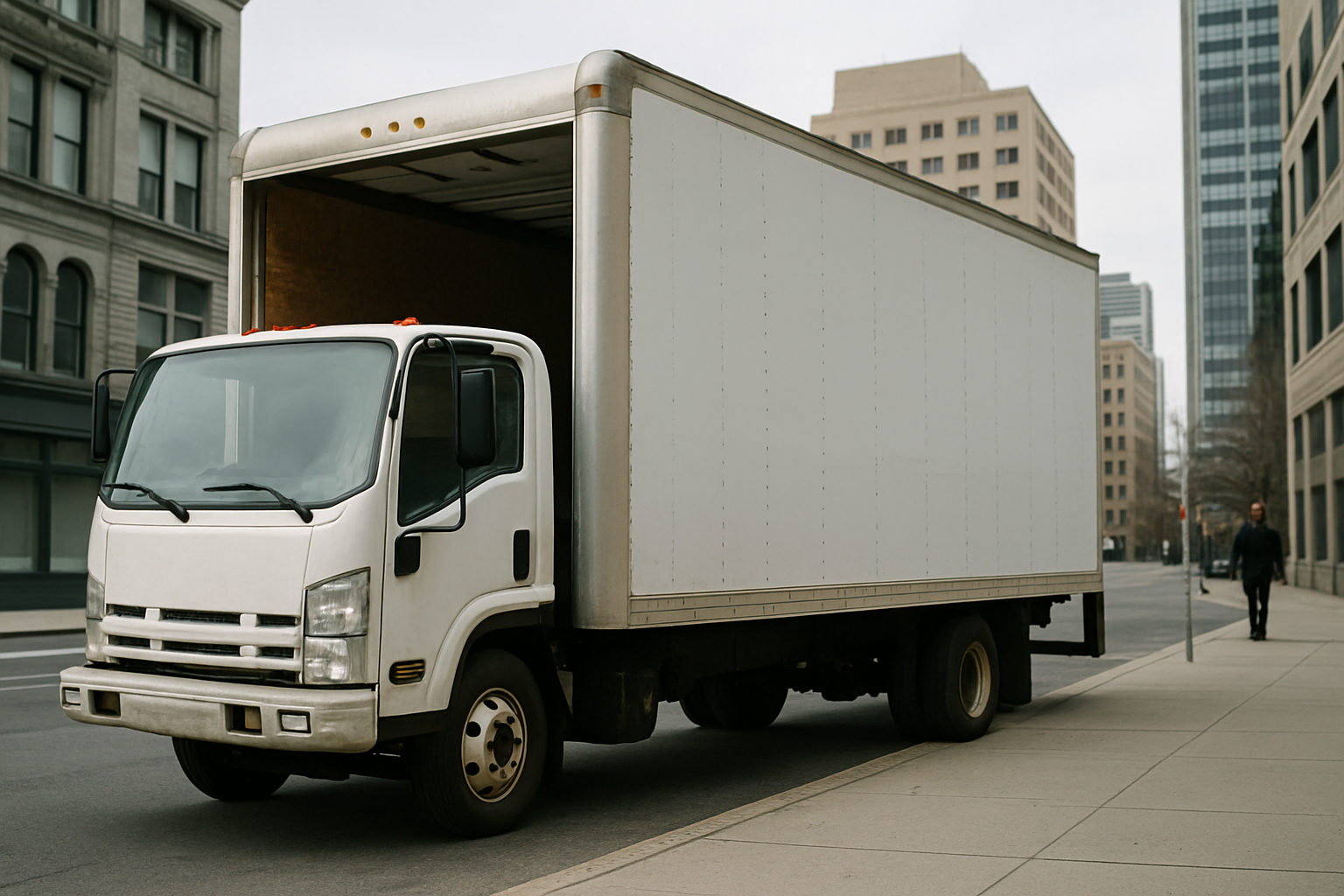
It is any policy built around equipment or cargo that falls outside standard dry van freight. That includes hotshot rigs, reefer units, flatbeds, tankers and hazmat loads, car haulers, tow trucks, dump trucks and box trucks. Each of these carries different cargo risk, different physical damage exposure, and sometimes different federal minimums, so the “one size fits most” policy rarely fits a specialty operation well.
What should you check first before you call for a quote?
Check your operating authority status and your actual commodity list before anything else. A lot of owner-operators get a quote based on what they used to haul, not what is on today's bill of lading. If you added hazmat endorsements, started pulling a reefer trailer, or picked up tow work on the side, your existing policy may not cover it at all, and a claim could get denied for a coverage gap you did not know existed.
Next, check your radius of operation. Local haulers and long-haul interstate carriers get priced differently, and misreporting your radius is one of the fastest ways to have a claim contested later. If you are new authority, under 90 days or under a year, flag that up front, because new-authority programs are underwritten differently and some carriers will not touch a new MC number at all.
Why new-authority underwriting is its own conversation
Carriers treat the first 6 to 12 months of a new MC number as the highest-risk window, and underwriting reflects that. Expect to be asked for a detailed safety plan, your intended commodities, and sometimes a larger down payment or a shorter policy term until you build a track record. Some markets will not quote brand-new authority at all, which narrows your options to programs built specifically for startups. If your authority is under 90 days old, be upfront about that instead of letting an underwriter find it during a loss run pull, since a mismatch there can get a policy rescinded. A clean MVR, a realistic radius, and a commodity list that matches what you are actually hauling all help here, even with no claims history yet to point to.
What do you need to have ready before you apply?
Have your MC/DOT number, current loss run history (even if it is clean), equipment list with VINs and values, and a realistic description of your top three commodities hauled. If you are adding motor truck cargo coverage, know your highest single load value, because that drives the limit you actually need, not a round number pulled from a sales conversation.
Non-trucking liability and trailer interchange, explained with numbers
These two coverages get bundled or confused more than almost anything else in a specialty policy, so it helps to walk through what each one actually triggers.
Non-trucking liability (sometimes called NTL or “bobtail” coverage depending on how it is written) covers you when you are driving the truck for personal use or between dispatches, not under a load or dispatch instructions from your carrier. A common setup is a $1,000,000 NTL limit sitting underneath your primary liability, but it only applies when you are off-dispatch, so hauling a load without it active will not help you. If you lease on to a carrier and only drive under their authority, you may not need it at all; if you run your own authority and sometimes deadhead between jobs on your own time, this is the gap that catches people.
Trailer interchange coverage is different again: it covers physical damage to a trailer you do not own but are pulling under a written interchange agreement, such as a trailer swap at a yard or a drop-and-hook arrangement. A typical limit might run $25,000 to $50,000 per trailer, but that number should match the actual value of the trailers you are swapping, not a default your broker assumed. Without this coverage, damage to someone else's trailer while it is hitched to your tractor can become a direct out-of-pocket cost or a dispute with the trailer's owner. If you are building out a new operation from scratch, it is worth reading through 7 mistakes that can put a new trucking company out of business before you lock in your coverage choices, since a few of those mistakes are insurance-related.
Where do specialty haulers get this wrong?
The single most common mistake is letting primary liability lapse without realizing it. Trucker Path Insurance tracked 47,234 FMCSA insurance cancellation filings nationwide between April 6, 2026 and May 25, 2026. Of those, 93% were primary liability (Form BMC-91X), 5.3% were surety bonds (Form BMC-84), and 0.7% were cargo coverage (Form BMC-34). Losing primary liability is by far the most common way a carrier's filing lapses, and once FMCSA records that cancellation, your authority can go out of service fast. You can confirm filing requirements directly with FMCSA.
Second mistake: buying a cargo limit that matches your average load instead of your highest load. If your typical shipment is $40,000 but you occasionally haul a $120,000 load, a $50,000 cargo limit leaves you exposed on the loads that actually matter most.
Third: assuming hazmat or tanker coverage automatically includes pollution liability or environmental cleanup. It often does not, and that is a separate conversation with your broker, not an assumption to make on your own.
| Equipment type | Typical added coverage need | Common gap |
|---|---|---|
| Reefer | Cargo spoilage/temperature coverage | No reefer breakdown protection |
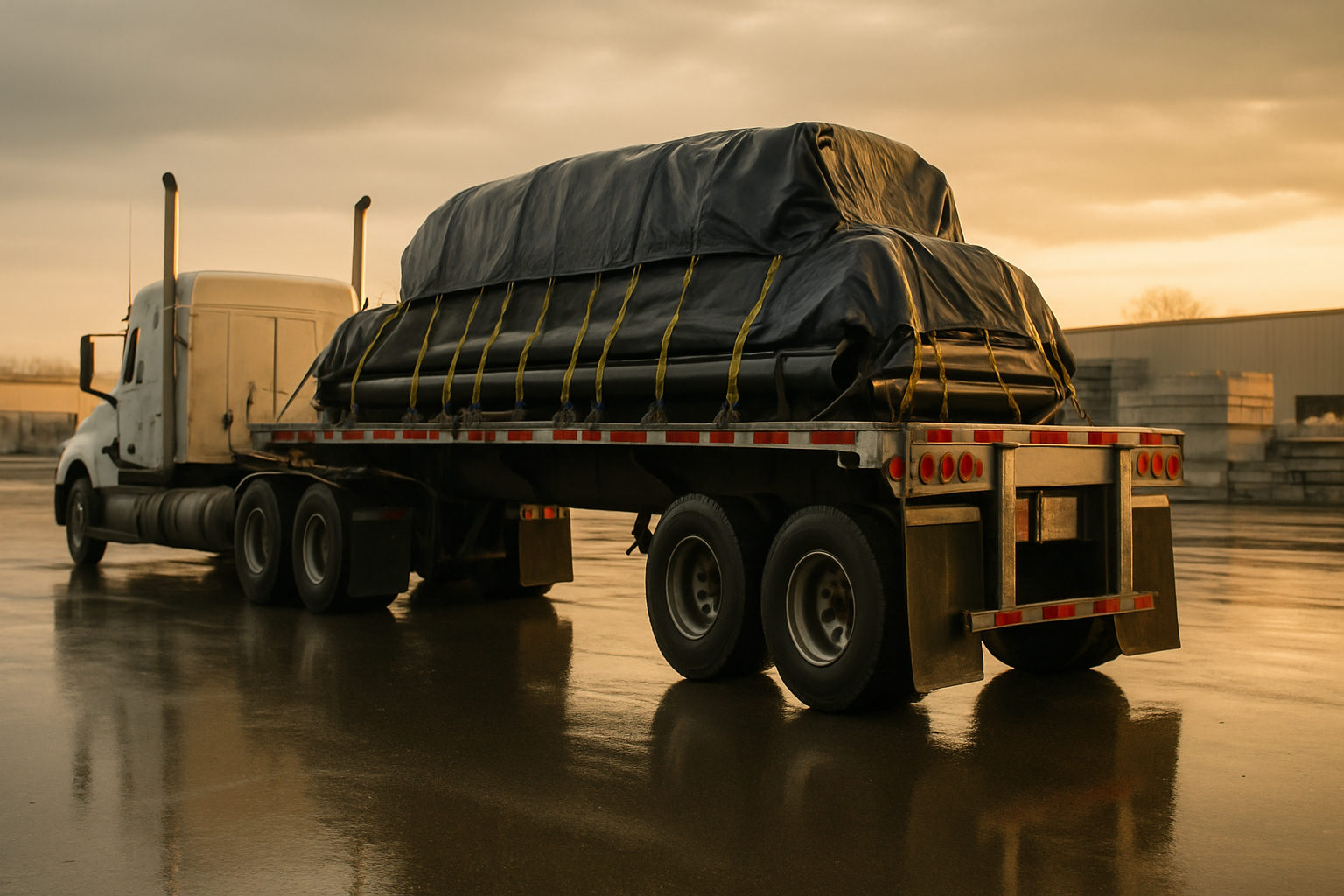
| Flatbed | Higher cargo limits for steel/equipment | Tarps and chains not valued correctly |
| Tanker/hazmat | $1M to $5M liability depending on cargo class | No pollution liability add-on |
| Car hauler | Per-vehicle cargo valuation | Limit set too low for multi-car loads |
| Tow truck | On-hook/garagekeepers coverage | Confused with standard cargo coverage |
| Dump truck | Physical damage for off-road use | Policy excludes unpaved job sites |
None of the figures in that table are universal prices, they are the gaps that show up most often. As a rough, unattributed reference point as of late 2026, specialty endorsements on top of a base liability policy have tended to run roughly a few hundred dollars a year for added cargo limits on a reefer or flatbed, up to several thousand dollars a year for tanker or hazmat pollution add-ons, depending heavily on radius, loss history and the carrier writing the policy. Treat that as a planning range only, not a quote, since your actual premium depends on your specific equipment, commodities and driving record. For deeper reading on specific equipment, see flatbed truck insurance or tow truck insurance, both of which get into the coverage specifics for that equipment type. Your actual limits should come from a conversation with a broker who looks at your specific commodities and routes, which is exactly what these trucking insurance buying tips for owner-operators and state-specific guidance can help you prepare for before that call.
How does your state affect specialty trucking coverage?
Your state can add intrastate rules on top of the federal floor, and some states have different minimums for certain commodities or vehicle classes. If you run intrastate loads in addition to interstate, check your specific state's requirements rather than assuming federal minimums cover you everywhere. You can browse trucking insurance by state for a starting point, or go straight to a page like Texas truck insurance if that is where you are based, since state rules can shift your required limits and filing process.
Frequently Asked Questions
Continue reading
- Commercial truck insurance
- Compare truck insurance quotes
- Rider Policy for Truck Drivers: What It Costs in 2026
- Autonomous Truck Warning Beacon Insurance Liability
- Commercial Box Truck Insurance Cost in North Carolina: What to Expect
- Coverages we offer for owner-operators & fleets
- Common questions about trucking insurance
Ready to compare rates? Get a free trucking insurance quote from carriers built for insurance tips.
Ready to Get Started?
Get personalized insurance quotes tailored to your business