Commercial Box Truck Insurance Cost in North Carolina: What to Expect
Get Your Free Insurance Quote
Compare quotes from top carriers in minutes
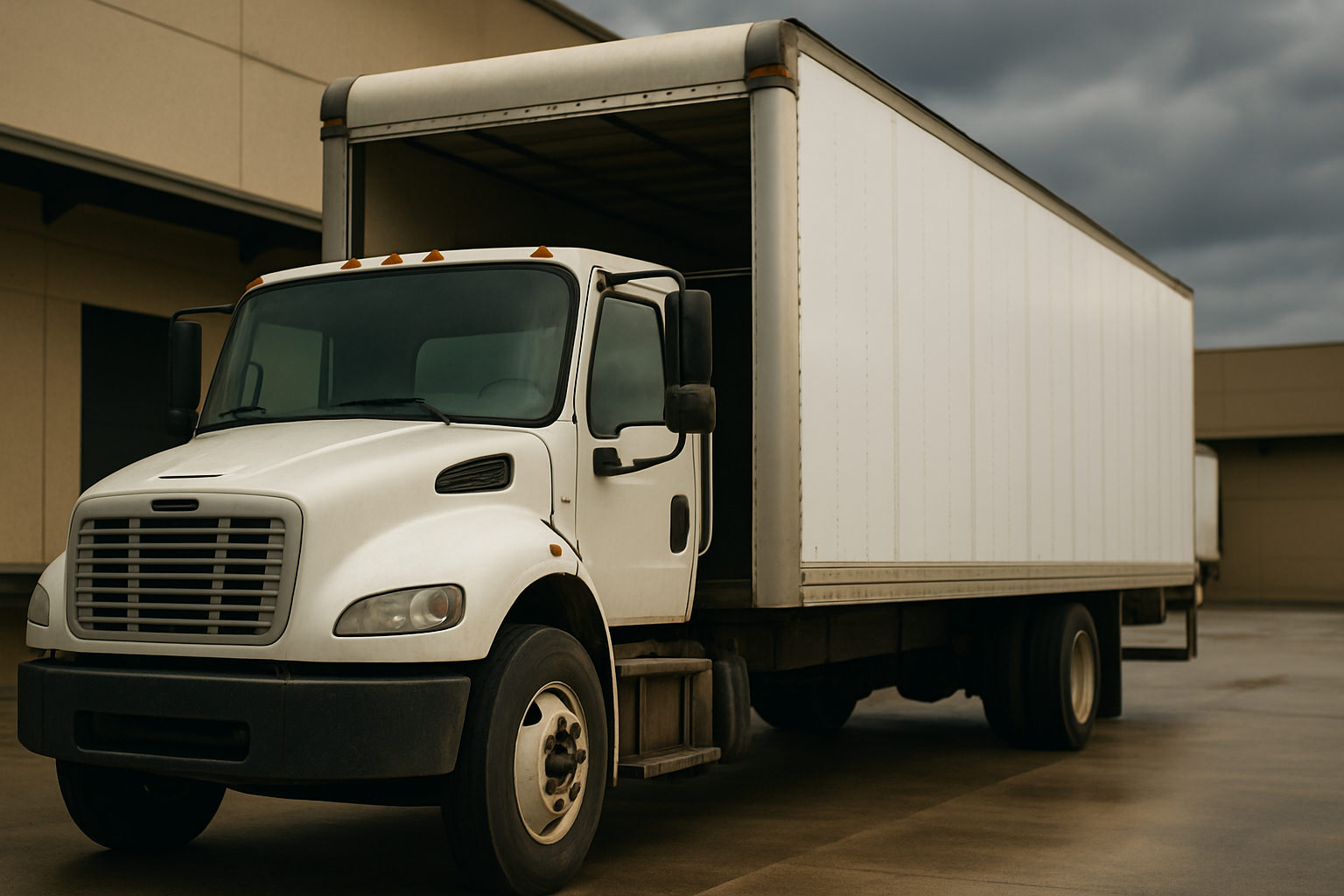
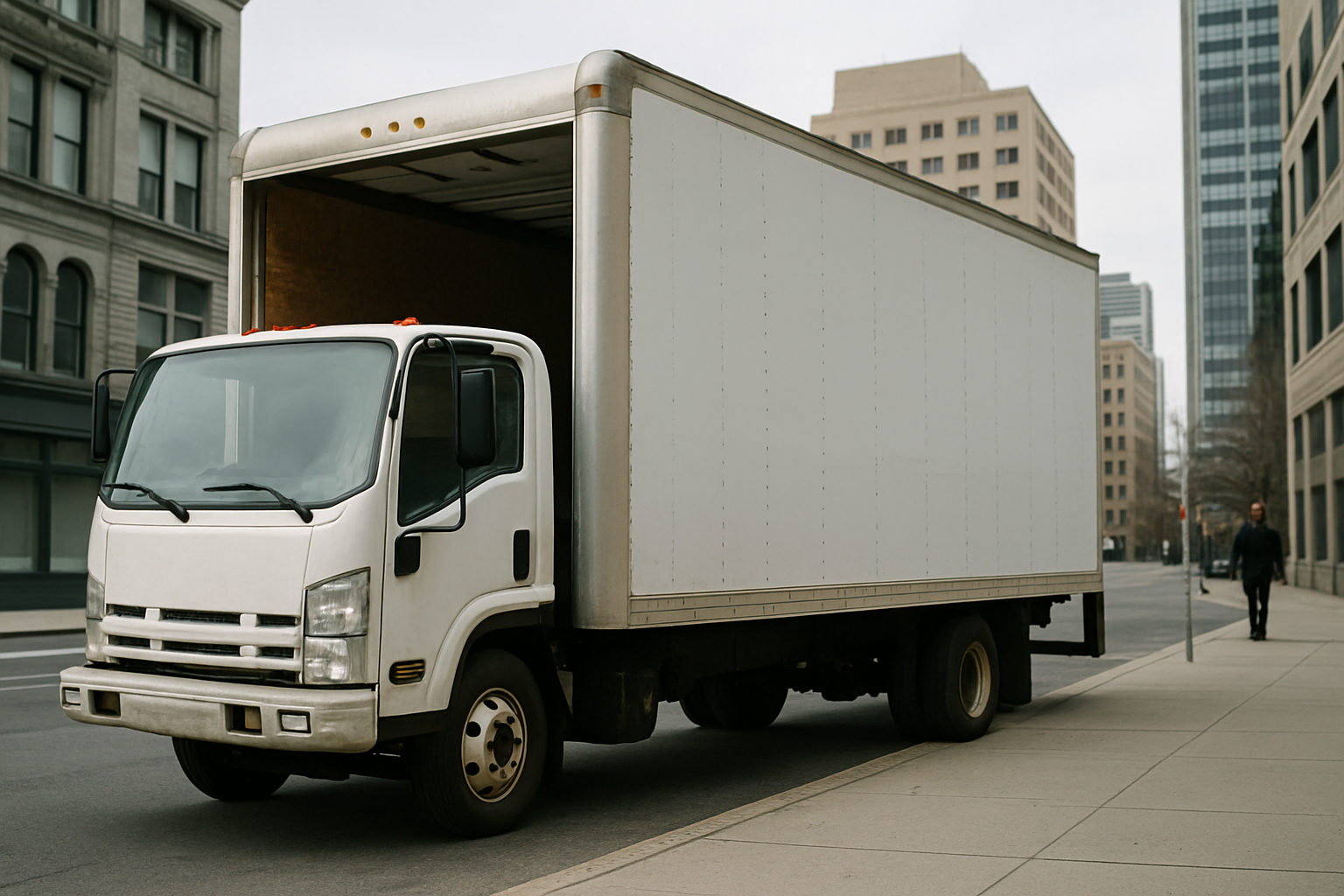
Commercial box truck insurance in North Carolina typically runs between about $585 and $1,125 a month per truck ($7,000 to $13,500 a year), according to Trucking Insurance Services' North Carolina rate data as of October 2026. That is a wide range because box truck operations vary so much: a local furniture delivery route and a long-haul reefer box truck running to Charlotte from three states away do not carry the same risk, and they should not pay the same premium. This is a dated estimate, not a quote, so treat it as a starting point for budgeting rather than a number you can lock in.
The rest of this post breaks down where that money actually goes, what pushes your premium up or down, and what you can control before you ever call a broker.
How much does commercial box truck insurance cost in North Carolina?
Most owner-operators running a single box truck in North Carolina pay in the range above, with local-only delivery routes landing on the lower end and long-haul or hazmat-adjacent freight landing higher. Primary liability alone usually makes up the biggest chunk of that premium, followed by motor truck cargo and physical damage if you are financing or leasing the truck.
New authority carriers almost always pay more in year one. Insurers treat a fresh MC number as an unknown risk, and that shows up directly in the quote. If you are brand new to for-hire trucking, our breakdown on box truck insurance requirements and cost covers how that new-authority surcharge works and roughly how long it tends to stick around.
What actually moves your box truck premium up or down?
Your operating radius, cargo type, driving record, and years of authority are the four biggest levers. Change any one of them and the quote changes with it.
- Radius of operation: A truck that stays within 100 miles of its home base generally costs less to insure than one running interstate lanes across multiple states, because exposure to highway accidents and long-haul fatigue goes up with miles.
- Cargo value and type: Hauling electronics or pharmaceuticals costs more to insure than hauling furniture or dry goods, because motor truck cargo claims get more expensive as the freight value climbs.
- Driver record and experience: A driver with a clean MVR and several years of CDL experience is cheaper to insure than a driver with a recent at-fault accident or a moving violation in the last three years.
- Years of authority: Carriers with two or more years of continuous operating authority and no cancellation gaps typically see better rates than carriers in their first 12 months.
- Truck age and value: Physical damage coverage on a newer box truck costs more in raw dollars, even though the rate percentage might be similar to an older unit.
What coverage does North Carolina actually require for a box truck?
If you are running interstate for-hire freight, federal rules set your liability floor, not the state. Under 49 CFR Part 387, general freight haulers with a GVWR over 10,001 lbs need at least $750,000 in public liability coverage, though in practice most shippers and brokers will not tender a load unless you carry $1,000,000. You can review the exact thresholds on FMCSA's website, and it is worth confirming current requirements with FMCSA or the North Carolina Department of Insurance before you bind a policy, since intrastate-only operations can carry different state-level rules on top of the federal floor.
If your box truck never crosses state lines and you are hauling purely intrastate within North Carolina, do not assume the federal $750,000 floor automatically applies to you. The North Carolina Department of Insurance does not publish a single flat minimum liability figure for intrastate motor carriers the way FMCSA does for interstate hauls; instead, requirements can depend on your cargo, vehicle weight class, and operating authority type. Rather than guess, check the current rules directly on the North Carolina Department of Insurance website or call their office before you bind a policy. Getting this wrong can mean a shipper rejects your certificate of insurance or a renewal gets flagged.
| Coverage type | Typical limit for NC box trucks | Rough monthly cost range (2026 estimate) |
|---|---|---|
| Primary liability | $750,000 to $1,000,000 | $250 to $700 |
| Motor truck cargo | $50,000 to $100,000 | $30 to $200 |
| Physical damage | Actual cash value of truck | $50 to $400 |
| Non-trucking liability | Varies by lease terms | $40 to $90 |
| General liability | $1,000,000 occurrence | $30 to $100 |
These are dated estimates based on OTR Trucking's 2026 Box Truck Insurance Cost Guide, cross-checked against LogRock's 2026 non-trucking liability cost data for the non-trucking liability row specifically, not quotes, and every number above depends heavily on your cargo, radius, and driving record. A broker who can compare multiple carriers at once will give you a far more accurate picture than any range in a blog post.
What happens if you let coverage lapse, even briefly?
A lapse in coverage is one of the fastest ways to lose your operating authority and make your next policy more expensive. Trucker Path Insurance tracked 47,234 FMCSA insurance cancellation filings nationwide between April 6, 2026 and May 25, 2026, which gives a sense of how often carriers let policies lapse or get cancelled, whether from missed payments, non-renewal, or switching carriers mid-term without overlap. Each of those filings can trigger an FMCSA compliance flag, and once a carrier has a gap on record, the next insurer underwriting that risk usually prices it higher. If you are shopping a renewal, time it so your old policy does not cancel before the new one is bound.
How can you actually lower your box truck premium?
The fastest ways to bring a quote down are tightening your operating radius, cleaning up your MVR before you shop, and bundling coverages with one carrier instead of piecing them together. Carriers reward predictability. A driver with no violations in three years, a truck that runs a defined regional lane instead of coast to coast, and a business that has carried continuous coverage for two or more years will see meaningfully better offers than an operation that looks unpredictable on paper.
It also helps to shop with a broker who can pull quotes from several carriers at once rather than calling one captive agent. Rates for the same truck and driver can vary a lot between carriers depending on how each one weighs cargo type and radius, and you will not know where you stand until you see more than one number side by side. For context on how North Carolina box truck rates compare to other vehicle classes, see how coverage and pricing differ by vehicle type.
If your box truck runs longer interstate lanes rather than local delivery routes, the risk profile shifts closer to long-haul trucking, and it is worth reading how that changes your coverage needs in our guide to North Carolina long-haul trucking insurance.
Frequently Asked Questions
Continue reading
- Box truck insurance
- North Carolina trucking insurance requirements
- Compare truck insurance quotes
- Pickup Truck Insurance Online Quote: What You Need First
- Pickup Truck Insurance: Personal vs Commercial Coverage Guide
- Commercial Auto Fleet Insurance Illinois: What It Costs
- Coverages we offer for owner-operators & fleets
- Common questions about trucking insurance
Ready to compare rates? Get a free trucking insurance quote from carriers built for insurance tips.
Ready to Get Started?
Get personalized insurance quotes tailored to your business