Rider Policy for Truck Drivers: What It Costs in 2026
Get Your Free Insurance Quote
Compare quotes from top carriers in minutes
A rider policy for truck drivers, sometimes called a passenger endorsement or authorized rider endorsement, is the written permission plus insurance coverage that lets someone who is not an employee or owner of the motor carrier ride along in your commercial truck. Think spouse, kid on a summer trip, trainee, or a DOT auditor doing a ride-along. Federal rule 49 CFR 392.60 says motor carriers cannot transport unauthorized passengers unless they have a written policy covering it, and most insurers want that passenger named or at least categorized on the policy before they will pay a claim involving them. Most drivers do not think about this until a dispatcher asks or an insurer flags it during underwriting, and by then the cost question is the one that actually matters.
The short answer: adding a rider is usually a flat fee, not a big premium jump. But the number swings a lot depending on how your policy is structured and what kind of coverage the rider actually needs if something goes wrong. Before you commit to any number quoted over the phone, it is worth double-checking the current federal passenger-authorization language yourself at FMCSA.gov, since insurers sometimes describe the requirement loosely.
How much does a passenger endorsement actually cost?
Most carriers charge a flat endorsement fee to add a named rider to your liability policy. As of October 2026, endorsement fees for a one-time or short-term rider commonly fall in a modest range, but the exact number depends entirely on the carrier writing your policy, so treat any figure here as a rough, dated estimate rather than a quote. For an ongoing named rider, one published reference point is the $25 to $150 per month range cited later in this post from Altline's owner-operator trucking insurance cost breakdown, but that is one data point from one source, not a universal number, so confirm the real figure with whoever writes your policy before you plan around it.
Pricing also tends to vary by the size of the carrier underwriting your policy. Smaller regional carriers that handle rider endorsements manually sometimes quote a higher flat fee simply because it requires a person to process a one-off change, while larger carriers with online endorsement tools sometimes process the same request for less, or even waive it as a courtesy if you already carry multiple coverages with them. If you are comparing two quotes and the endorsement fee looks wildly different, ask what is actually driving that gap, since it is often administrative rather than risk-based.
Where it gets more expensive is ongoing coverage. If you want a spouse or family member covered on every trip, some insurers treat that as a recurring endorsement and charge a small monthly add-on instead of a one-time fee. Occupational accident coverage, which pays medical bills if a covered person is hurt in a wreck, almost never extends to riders automatically. That is a separate conversation with your broker, and skipping it is the single most common mistake drivers make when they think a rider policy means full coverage for anyone in the cab.
Typical rider coverage costs compared
| Rider type | Typical cost structure | What it actually covers |
|---|---|---|
| One-time trip rider (family member, short haul) | One-time endorsement fee, amount varies by carrier, ask your broker for current pricing | Liability if the truck is in an accident with the rider aboard |
| Ongoing named rider (spouse rides regularly) | Small monthly add-on, commonly cited around $25 to $150 a month per the Altline breakdown above, though your carrier's number may differ | Liability coverage on every trip, not just one |
| Trainee rider under a lease or training program | Often built into the motor carrier's existing policy, little to no extra cost to the driver | Liability while training; occupational accident varies by program |
| Medical coverage for the rider if injured | Separate occupational accident or accident medical rider, priced per person | Medical bills for the rider, since general liability does not pay the rider's own injuries |
Notice the gap in that last row. Your liability coverage protects other people and property if you cause a wreck, but it generally does not pay for your own rider's hospital bill. If you want that covered, you need to ask your broker about it specifically, it will not show up automatically when you add someone to the policy.
What moves the rider endorsement price up or down?
Three things drive the cost: how long the rider is covered, what equipment you run, and whether your underlying policy already allows passengers. A one-week trip for your spouse costs less than year-round coverage. A semi truck insurance policy with a clean claims history usually gets a cheaper endorsement than one with recent accidents, because underwriters price the rider against the same risk profile as the rest of your policy. And if your current policy already has broad language allowing occasional non-employee passengers, you might not need a separate endorsement at all, just written notice to your insurer.
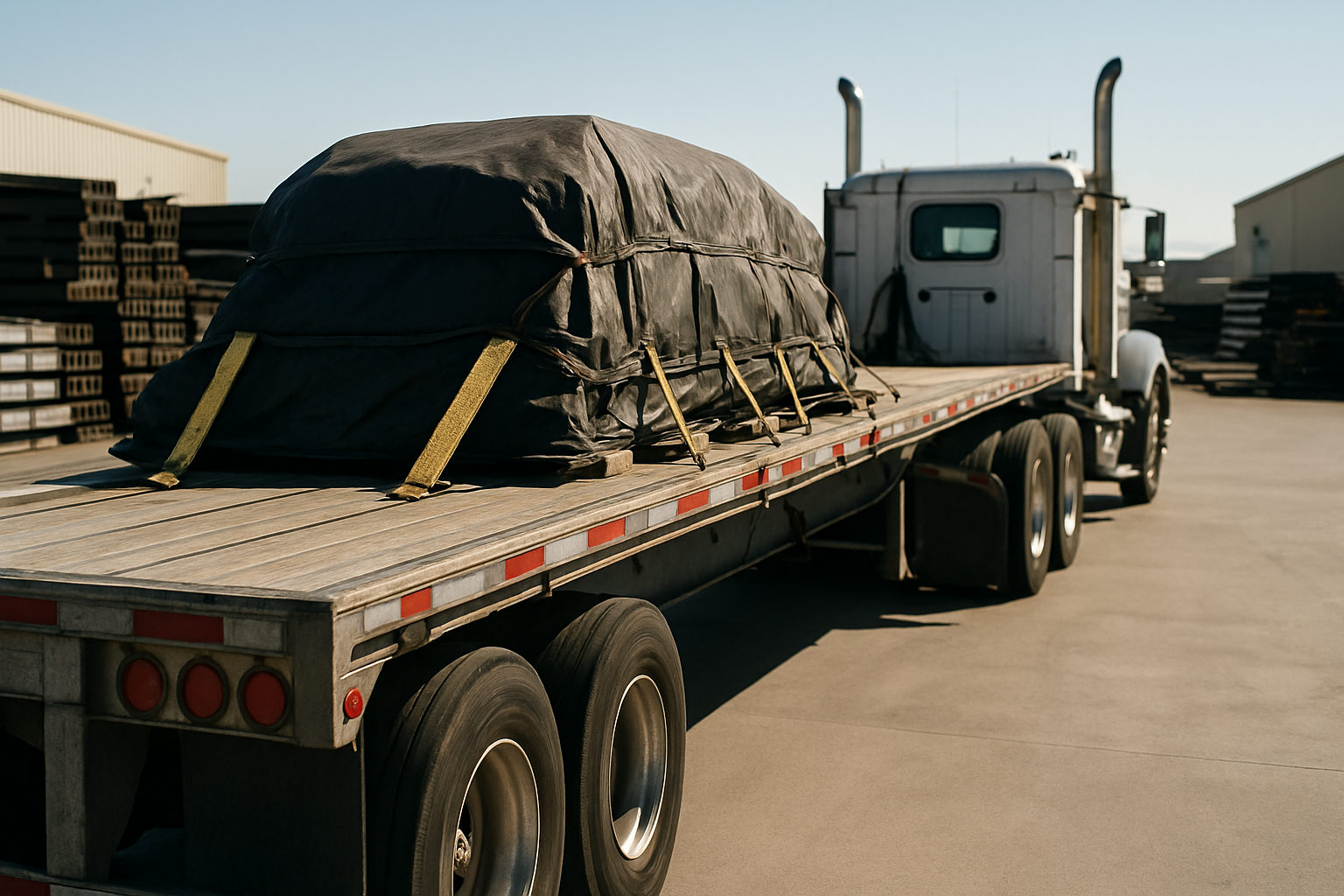
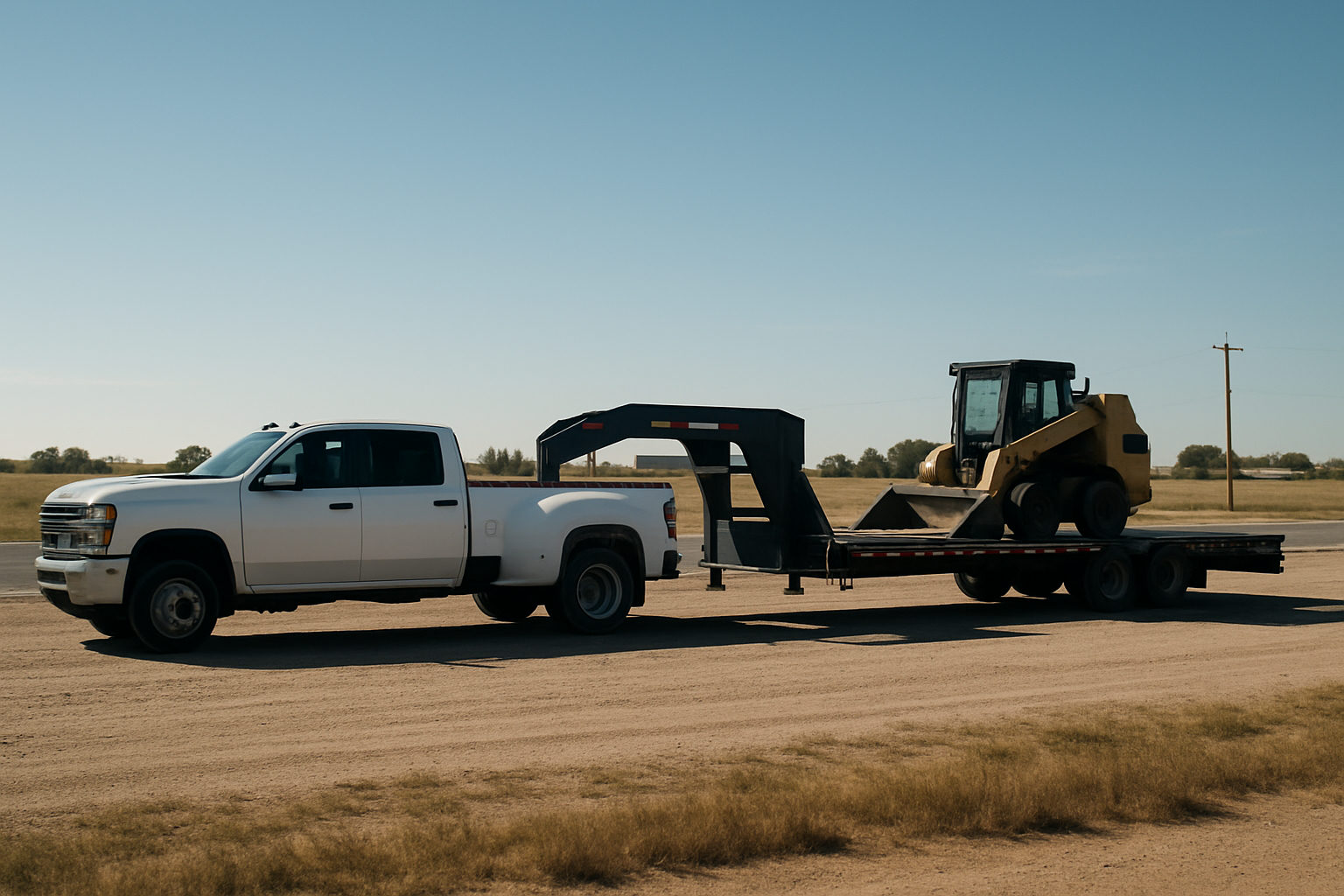
Equipment type matters too. A box truck or dry van running local routes is a lower-risk rider situation than a flatbed or tanker running long interstate hauls, and pricing usually reflects that. If you are shopping coverage across vehicle types, start with the page for your specific truck at truck insurance by vehicle type rather than a generic quote, since the base rate differences carry over into what the rider endorsement costs on top.
Do you need a rider policy if you lease to a motor carrier?
Usually yes, but the motor carrier's policy may already cover it, so check before you pay twice. Under a typical lease arrangement, the motor carrier's insurance is primary on the truck, and many carriers have a blanket rider policy that covers authorized non-employee passengers like trainees or safety auditors. If you want to bring a family member along, that is a different category and most lease agreements treat it separately, sometimes requiring written approval from the carrier's safety department before your own insurance or theirs will extend to that person. Do not assume you are covered just because the truck itself is insured under the lease. Ask in writing, and keep a copy of whatever approval you get.
What happens if your rider gets hurt and there is no coverage?
Without a rider endorsement that includes medical coverage, the injured rider's bills typically fall to their own health insurance or, if none, to you personally through a liability claim they file against your policy. This is the scenario that catches people off guard. Your personal car insurance for truck drivers will not step in to cover someone injured in your commercial vehicle, since commercial and personal auto policies do not overlap that way. If the rider is a spouse or dependent, check whether your health insurance has exclusions for injuries in a commercial vehicle, some policies do.
This also ties into why staying current on your insurance filings matters more than most owner-operators realize. Trucker Path Insurance tracked 47,234 FMCSA insurance cancellation filings nationwide between April 6, 2026 and May 25, 2026, based on our own analysis of filing data from the FMCSA. A lapsed or cancelled policy does not just stop your authority, it means any rider in your cab during that gap has zero coverage behind them, liability or otherwise.
How do you actually add a rider to your policy?
Call your broker or agent before the trip, not after. Tell them who is riding, how often, and for how long. If it is a one-time family trip, ask for the flat endorsement and get written confirmation by email before you leave the yard. If it is ongoing, ask whether a monthly add-on or an annual rate adjustment makes more sense given how often it will happen. Either way, get it in writing. A verbal okay from an agent does not help you if a claims adjuster later says the rider was never on file.
If you are not sure your current carrier even offers rider endorsements, or the fee they quoted feels high compared to what else is out there, it is worth comparing. Pricing on add-ons like this varies more between carriers than people expect, partly because few insurers specialize in it the way they do core liability or cargo coverage.
Frequently Asked Questions
Continue reading
- Commercial truck insurance
- Compare truck insurance quotes
- Commercial Box Truck Insurance Cost in North Carolina: What to Expect
- Pickup Truck Insurance Online Quote: What You Need First
- Pickup Truck Insurance: Personal vs Commercial Coverage Guide
- Coverages we offer for owner-operators & fleets
- Common questions about trucking insurance
Ready to compare rates? Get a free trucking insurance quote from carriers built for insurance tips.
Ready to Get Started?
Get personalized insurance quotes tailored to your business