Trucking Authority Cost: What to Budget For
Get Your Free Insurance Quote
Compare quotes from top carriers in minutes
Getting your own trucking authority costs roughly $300 for the MC number application itself, but that number is misleading. Once you add insurance, BOC-3 process agent fees, UCR registration, and IRP plates, most new owner-operators spend somewhere in the range of $2,000 to $8,000 before they haul a single load. These figures are illustrative estimates meant for general planning, not a quote for your specific situation. Insurance is usually the biggest piece of that, and it is the one cost you cannot skip or shop your way around cheaply as a brand new authority.
Here is what actually goes into the total, what tends to surprise people, and where the money really goes.
What Does It Cost to Get Trucking Authority?
The direct FMCSA filing fee for operating authority (MC number) is a flat $300, paid once through the Unified Registration System. That fee alone is the cheapest part of the whole process. The real cost shows up in the filings and insurance you need before FMCSA will actually activate your authority.
You can review the current registration requirements directly on FMCSA's registration page, since fees and forms can change and you want the current version, not a blog post's memory of it.
What Are the FMCSA Filing Fees for Trucking Authority?
Beyond the $300 MC number fee, you'll typically pay for a BOC-3 process agent designation, UCR (Unified Carrier Registration) based on your fleet size, and state-level IRP/IFTA registration if you're running interstate. None of these are optional if you want to legally operate.
| Item | Approximate cost | Frequency |
|---|---|---|
| MC number (operating authority) | $300 | One time |
| BOC-3 process agent filing | $25 to $50 | One time, some agents charge annually |
| UCR registration | $50 to $200+ depending on fleet size | Annual |
| IRP plates (per truck) | Varies by state and mileage | Annual |
| New authority insurance | Often $1,000 to $2,000+ per month | Monthly premium |
These figures are illustrative estimates for planning purposes as of this writing, not figures pulled from any single pricing source, and they will shift depending on your state and how many trucks you're registering. Always confirm current fees on FMCSA.dot.gov or with your state's department of motor vehicles before you budget final numbers.
IRP fees in particular vary more than any other line item on this list, since they're based on your registered weight and the mix of states you run through under apportioned plates. As a rough sense of the spread, single-state operators in smaller states sometimes see IRP costs land in the low hundreds per truck annually, while carriers running heavier equipment across many states can see costs climb well into four figures per truck. Rather than guess, most state DMV or IRP offices publish a fee calculator or lookup tool specific to your base state and fleet weight, and running your own numbers there will be far more accurate than any general estimate here.
How Much Does New Authority Insurance Cost?
New authority insurance almost always costs more per month than what an established carrier pays, because you have no operating history for underwriters to price against. That premium gap is usually the single biggest line item in your startup budget, often larger than every FMCSA filing fee combined.
Federal law requires a minimum of $750,000 in public liability coverage for most interstate general freight over 10,001 lbs GVWR, per 49 CFR Part 387. In practice, most shippers and brokers won't tender freight to a carrier without $1,000,000 in liability, so treat that as your real working minimum, not $750,000. Hazmat and oil haulers face a $1,000,000 federal floor, and bulk explosives or poison gas coverage jumps to $5,000,000. These are federal numbers that don't change state to state, though your state's insurance department may layer on additional intrastate rules, so it's worth a quick call to confirm anything specific to where you're based. You can review the full requirement language directly on the FMCSA site or through the eCFR Part 387 text before you finalize a policy.
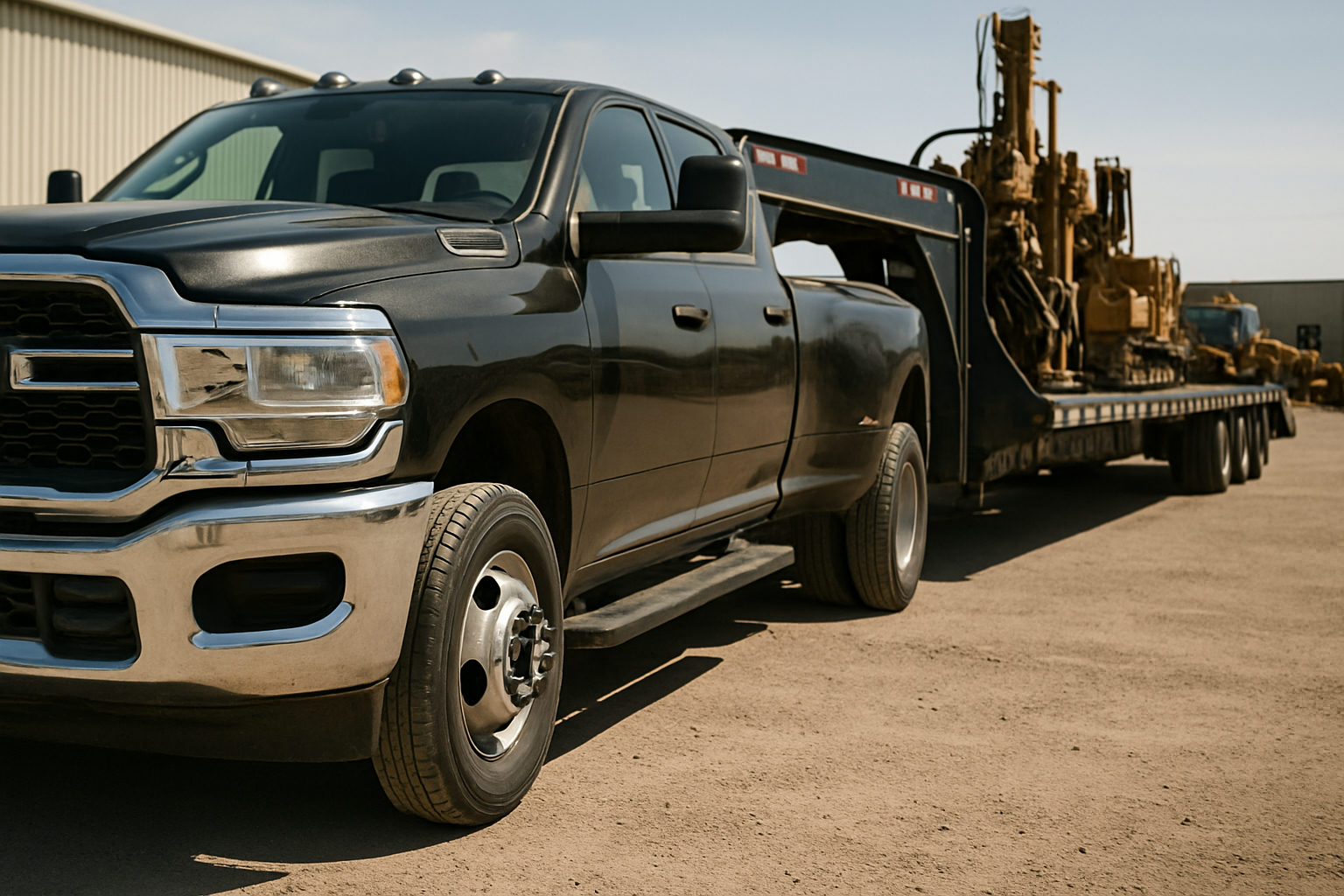
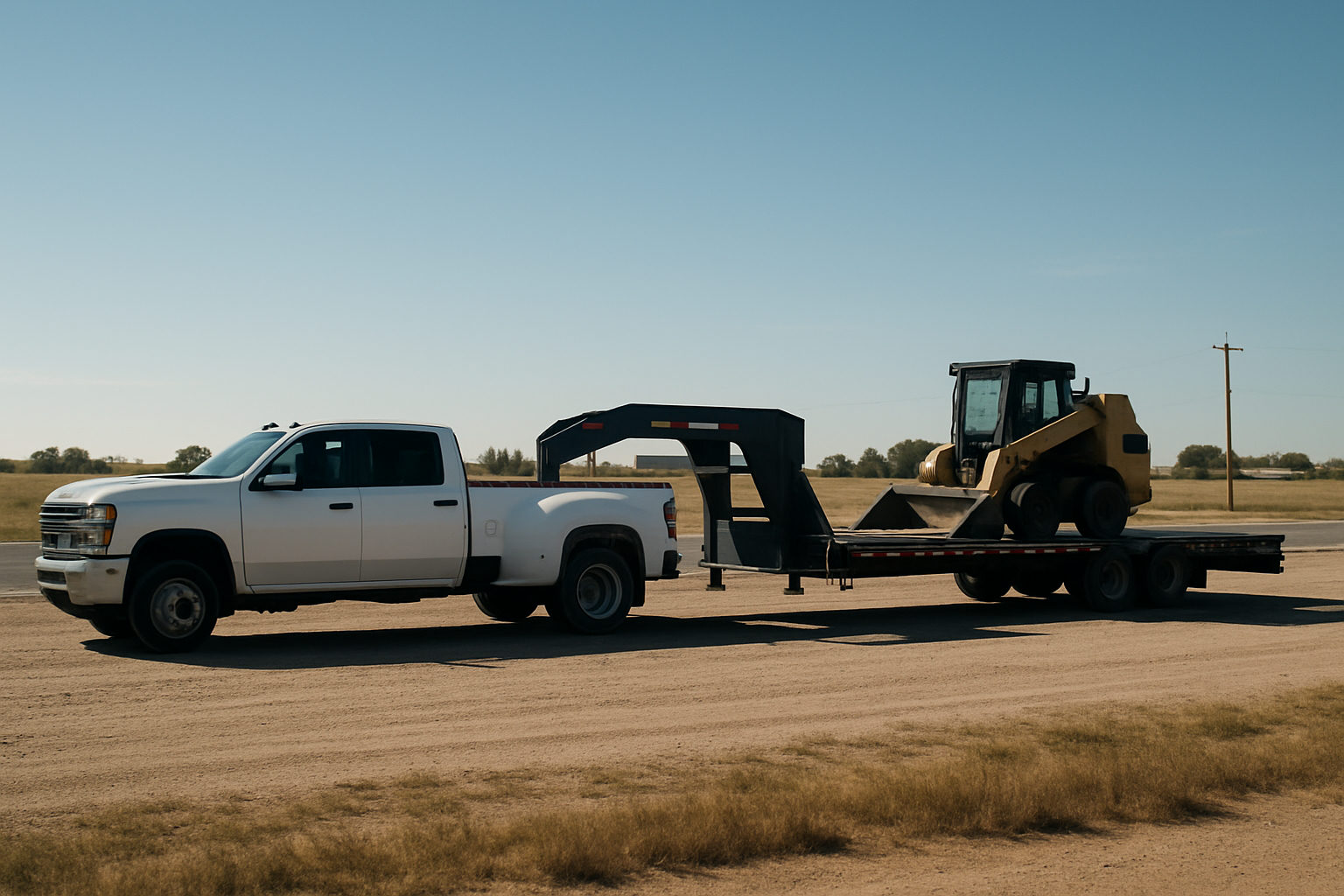
Because new authorities get flagged for extra underwriting scrutiny, your first six to twelve months of insurance often cost noticeably more than what you'll pay once you have a clean safety record and some months of operating history behind you. Rates also vary a lot by equipment type. Reviewing what hauling hotshot loads actually costs to insure is a good example of how equipment choice moves your premium up or down before you even talk to a broker. You can see a full breakdown at how much hotshot insurance actually costs.
What Other Costs Come With Getting Your Own Authority?
Besides filings and insurance, expect to budget for ELD compliance, a DOT physical, drug and alcohol consortium enrollment, and possibly a bond or trust fund if you're a freight broker rather than a motor carrier. None of these are large individually, but they add up fast for someone starting from scratch.
- ELD device and subscription: typically $200 to $500 upfront plus a monthly fee, as a general planning estimate
- DOT physical exam: usually $75 to $150 out of pocket depending on your state and clinic
- Drug and alcohol clearinghouse and consortium enrollment: often $50 to $150 per year
- Truck and trailer registration/plates: varies widely by state and vehicle weight
If you're leasing on with a carrier instead of running under your own authority, most of these costs disappear because the carrier absorbs them. That's part of why a lot of new owner-operators lease on for the first year or two before pulling their own authority.
How Long Does It Take to Get Trucking Authority?
Most new authorities take around 20 to 25 business days from application to being active, mainly because FMCSA requires a mandatory waiting period after the BOC-3 and insurance filings are submitted before your authority can go into effect. Rushing this timeline isn't really possible since the waiting period is set by regulation, not by how fast you move paperwork.
During that window, FMCSA also places new carriers under a New Entrant Safety Audit, which happens within the first 12 months of operation. Passing it matters, since a failed audit can revoke your authority. You can read the specifics of that program on FMCSA's new entrant registration page.
Comparing Authority Costs by Vehicle Type
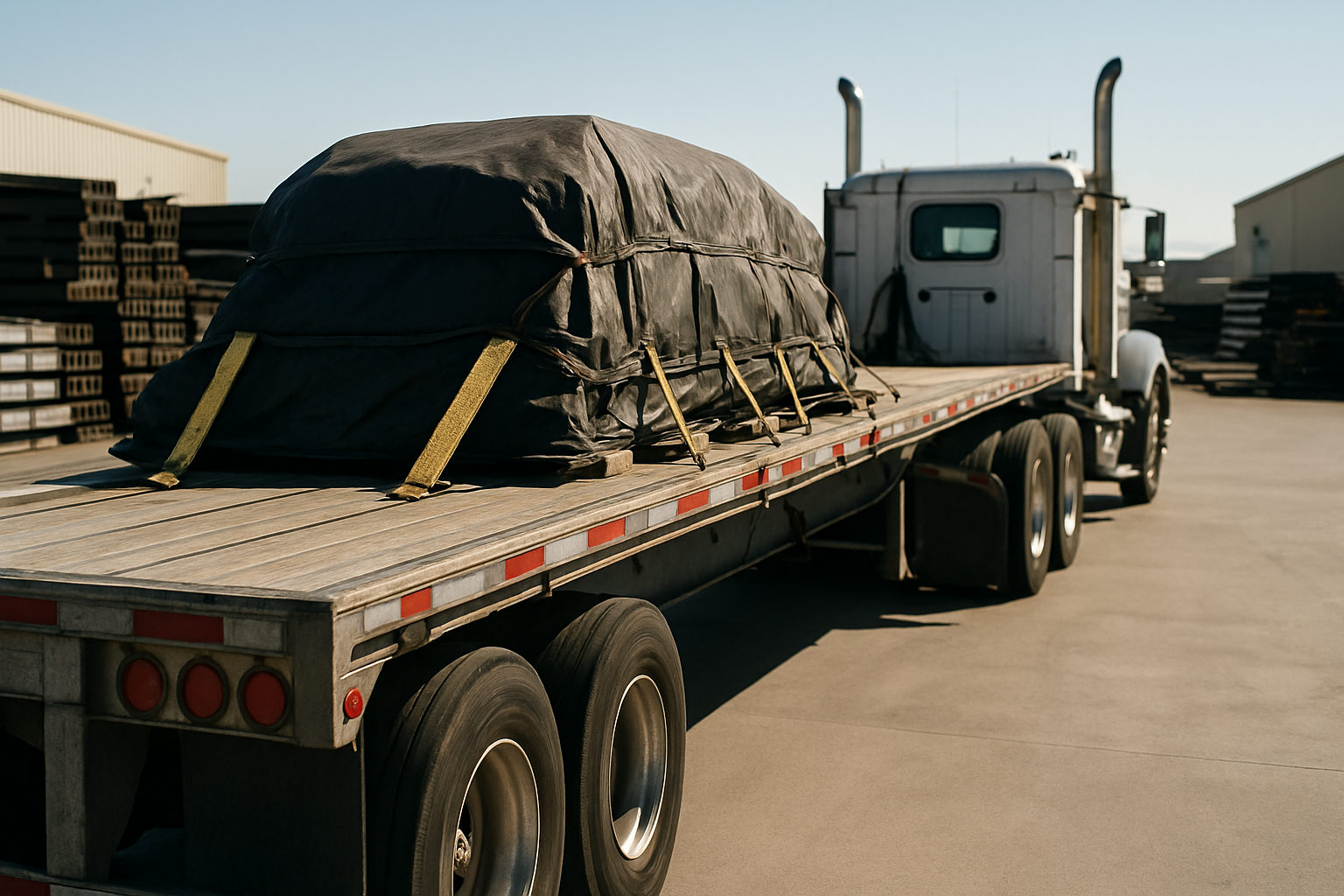
Startup costs and insurance premiums don't land the same way across every equipment type. A dry van running general freight typically sees lower new-authority premiums than a flatbed or dump truck operation, since cargo type and loading risk factor heavily into underwriting. Hotshot operators often face a different cost curve entirely because of trailer configuration and weight class. If you're weighing which equipment to start with, it's worth comparing a few paths side by side, such as flatbed truck insurance, dump truck insurance, and hotshot insurance, before you commit to a truck purchase and file for authority around it.
A Worked Example: Budgeting for a Single-Truck Dry Van Authority
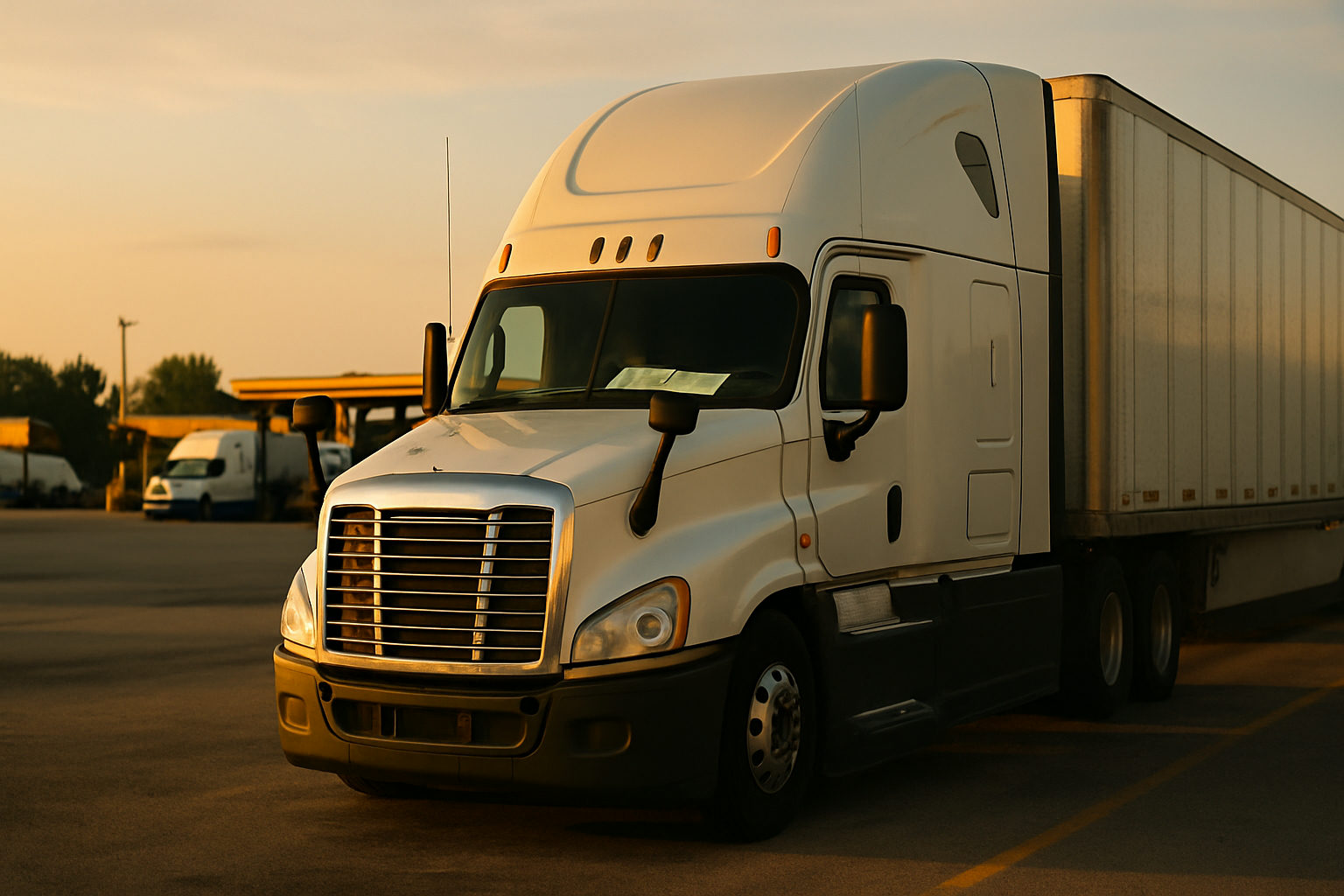
It helps to see these numbers stacked together rather than scattered across a table. Say you're a single owner-operator running one dry van, based in a mid-sized state, planning to run interstate general freight. A realistic planning estimate might look like this: $300 for the MC number, $40 for BOC-3, $150 for UCR at your fleet size, somewhere around $500 to $1,500 for IRP depending on your base state and mileage plan, and a first-year insurance premium that could run anywhere from $12,000 to $24,000 annually given new-authority underwriting, or roughly $1,000 to $2,000 a month. Add another few hundred dollars for the DOT physical, drug consortium enrollment, and an ELD subscription, and the full first-year total often lands somewhere between $14,000 and $26,000, with insurance making up the large majority of that. Your actual numbers will move based on your state, your equipment, and your driving record, so treat this as a framework for building your own budget rather than a number to copy directly.
How Trucking Authority Costs Compare by Equipment Type
| Equipment type | Relative new-authority insurance cost | Why it differs |
|---|---|---|
| Dry van, general freight | Lower end of the range | Lower cargo risk and simpler loading |
| Flatbed | Moderate to higher | Higher cargo securement and loading risk |
| Dump truck | Moderate to higher | Job-site exposure and shorter-haul risk profile |
| Hotshot | Varies widely | Trailer configuration and weight class change underwriting significantly |
| Reefer | Moderate to higher | Cargo spoilage risk adds to underwriting |
These are general planning comparisons, not quoted premiums, since actual pricing depends on your driving record, radius of operation, and the specific carrier underwriting your policy. For a closer look at how equipment type changes your numbers, see reefer truck insurance or tow truck insurance.
Frequently Asked Questions
Continue reading
- Commercial truck insurance
- Compare truck insurance quotes
- Hot Shot Insurance in Abilene TX: Cost and Requirements
- Pickup Truck Insurance Online Quote: What You Need First
- Pickup Truck Insurance: Personal vs Commercial Coverage Guide
- Coverages we offer for owner-operators & fleets
- Common questions about trucking insurance
Ready to compare rates? Get a free trucking insurance quote from carriers built for trucking regulations.
Ready to Get Started?
Get personalized insurance quotes tailored to your business