Motor Truck Cargo Insurance Carriers: How to Choose
Get Your Free Insurance Quote
Compare quotes from top carriers in minutes
Motor truck cargo insurance covers freight you are hauling for others if it is lost, damaged, or destroyed while in your care, custody, and control, and most carriers write a base policy with a $100,000 limit. If you are searching for motor truck cargo insurance carriers, you already know you need the coverage. The real question is which carrier actually pays when a reefer load spoils or a flatbed strap fails. Not every policy that says "cargo insurance" on the declarations page covers the same things, and the price difference between carriers for identical limits can be significant. This post walks through what separates a good motor truck cargo carrier from a bad one, what limits and exclusions to check, which carriers show up most often in this space, and how comparing several carriers can save you from a coverage gap you would not discover until a claim gets denied.
What is motor truck cargo insurance and who provides it?
Cargo coverage is separate from primary liability, which covers injury or property damage to third parties, and separate from physical damage, which covers your truck and trailer. It is written by specialty commercial trucking insurers, not by every auto insurance company, because underwriting freight risk requires knowledge of commodities, lanes, and claims patterns specific to trucking.
A handful of national and regional carriers dominate this space, along with a growing set of managing general agents (MGAs) that write on behalf of larger insurers. Some carriers focus on dry van and reefer freight, others specialize in flatbed, tanker, or hazmat cargo, and a few will only write cargo for fleets with a minimum number of trucks. This is why working with a single company often does not get you the best fit for your commodity and lane profile.
Which motor truck cargo insurance carriers should you know about?
You will not find every carrier on every quote, but a handful of names come up regularly for owner-operators and small fleets shopping motor truck cargo coverage. The descriptions below reflect general market perception and reputation among owner-operators and small fleets we talk to, not a formal rating or endorsement, and appetite and service quality can change over time.
| Carrier or MGA | Commodity focus | What it is generally known for |
|---|---|---|
| Reliance Partners | Owner-operators and small fleets, general freight | Fast, tech-driven quoting across multiple underlying carriers, by reputation among owner-operators |
| Progressive Commercial | Dry van, reefer, general freight | Broad appetite and name recognition, competitive on standard risk profiles |
| Sentry Insurance | Flatbed and specialized freight | Long history in trucking and risk management support for securement claims |
| Great West Casualty | General and specialized trucking | Writes trucking exclusively and is often described by owner-operators as having a smooth claims process, based on general market perception rather than a formal rating |
| Northland Insurance (a Travelers company) | Tanker, hazmat, and specialized cargo | Deeper underwriting experience with higher-hazard commodities |
None of these carriers write every risk profile, and appetite shifts over time, so treat this as a starting point for the kinds of names you will see rather than a ranking. The best fit depends on your commodity, radius, and claims history.
How much cargo insurance do carriers usually require or offer?
Most shippers and brokers require at least $100,000 in cargo coverage, though many ask for higher limits depending on the commodity. There is no federal minimum for cargo insurance the way there is for liability under 49 CFR 387, since cargo coverage is a contract requirement between you and your shipper or broker, not an FMCSA mandate. That means limits and terms vary carrier to carrier and load to load, so always confirm the actual number your broker or shipper is asking for before you bind a policy, and check with FMCSA or your state department of insurance if you are unsure how a regulatory requirement applies to your operation.
Cargo insurance limits do tend to track equipment type. Dry van and reefer loads are commonly written at $100,000, while flatbed, high-value, or specialized freight often carries higher limits of $250,000 or more. This pattern reflects typical broker and shipper contract requirements rather than a fixed rule, so treat it as a general reference, per RMS Truck Insurance.
| Equipment type | Common cargo limit range | Common exclusions to watch |
|---|---|---|
| Dry van | $100,000 | Mold, spoilage without reefer breakdown clause |
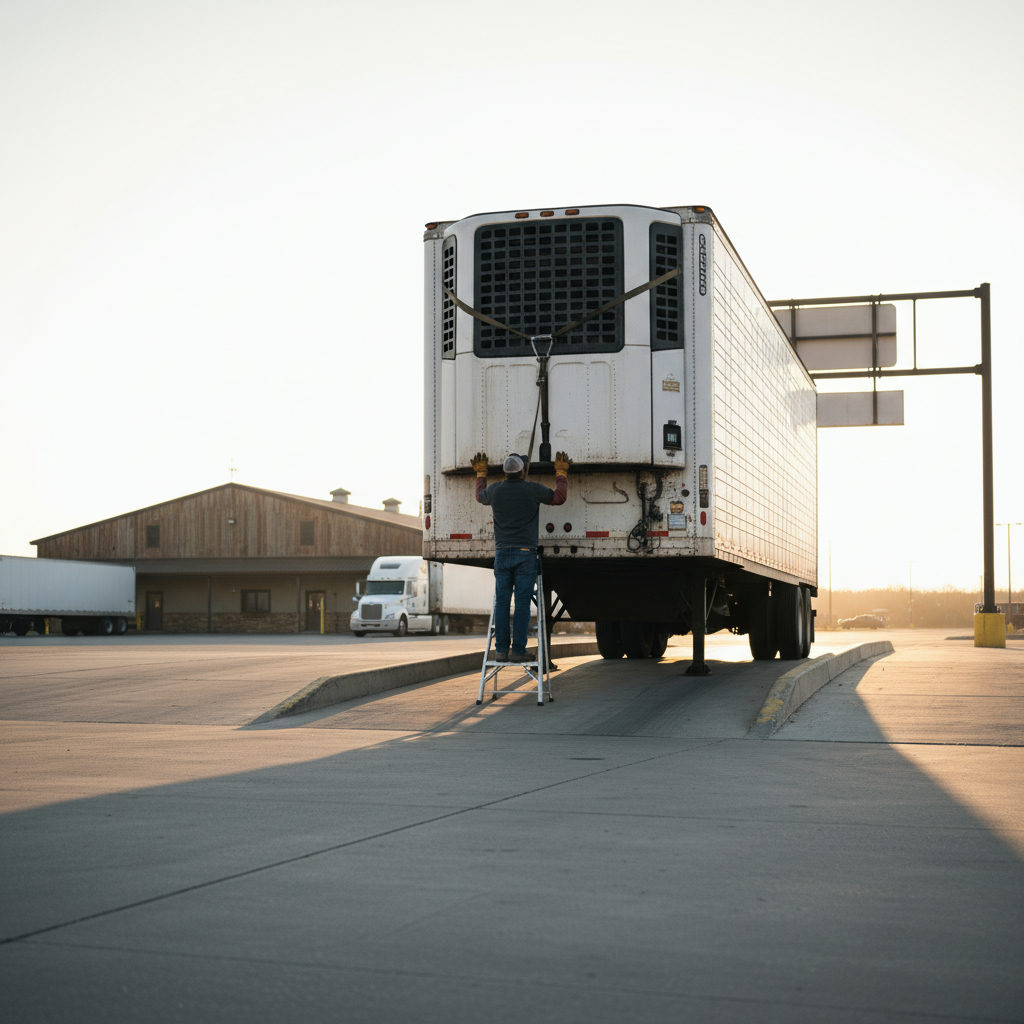
| Reefer | $100,000 to $250,000 | Temperature control breakdown, pre-cooling failure |
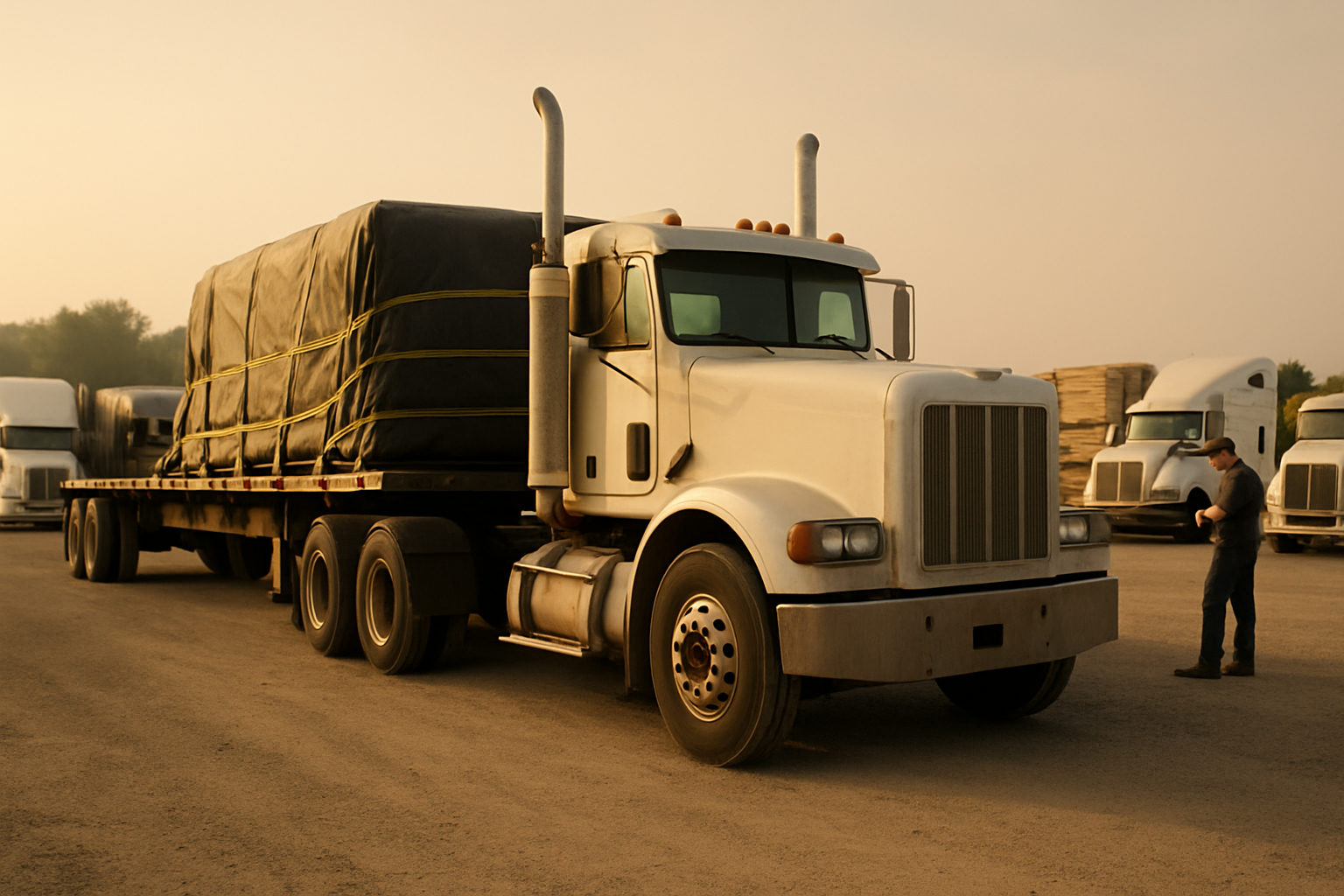
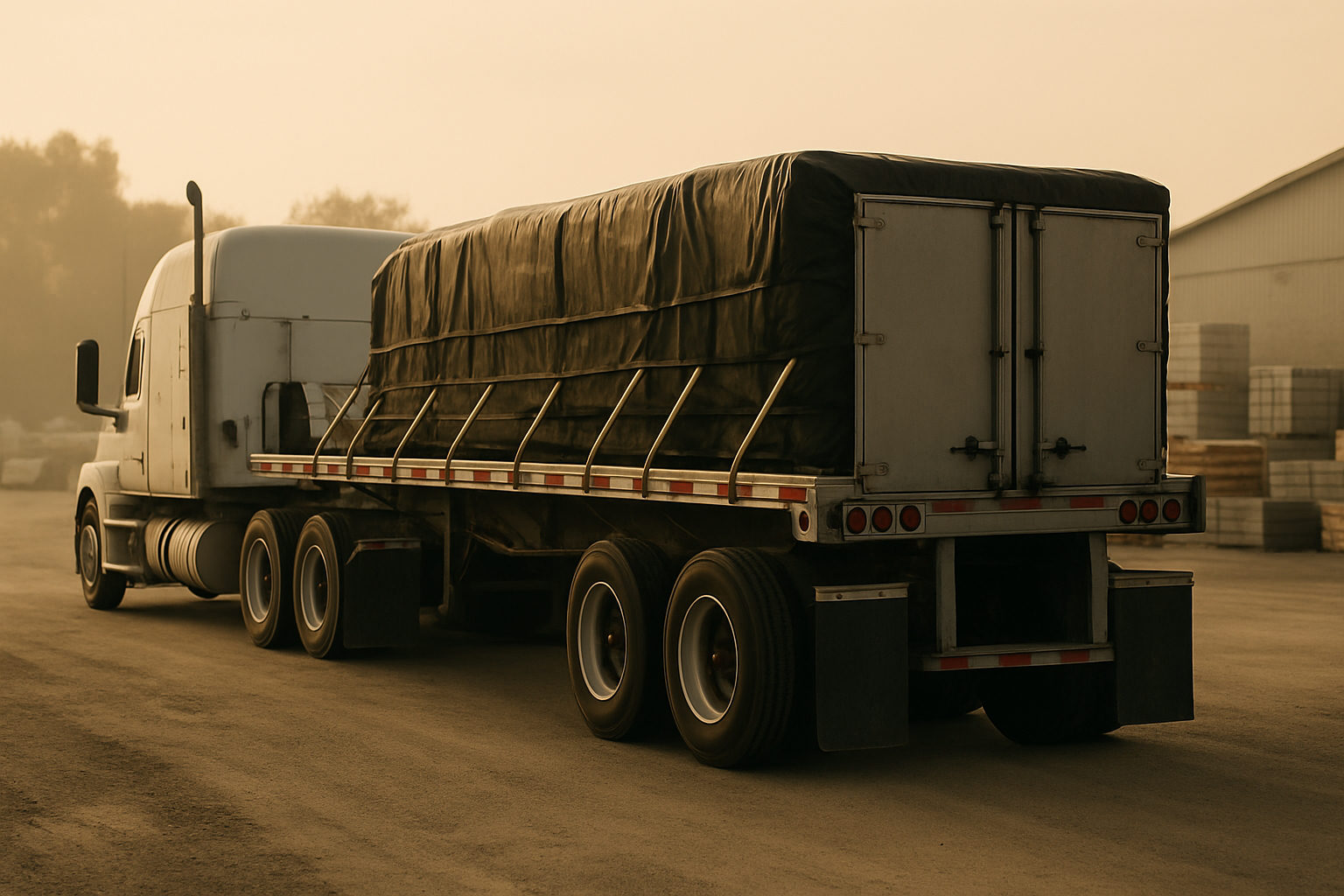
| Flatbed | $100,000 | Improper tarping or securement, weather damage in transit |
| Tanker/hazmat | $100,000 to $1,000,000 | Contamination, commingling, environmental cleanup |
| Box truck / last mile | $50,000 to $100,000 | High-value electronics, jewelry, or specialty goods |
If you regularly haul high-value freight, ask about excess cargo coverage on top of your base policy rather than assuming a higher primary limit is automatically available from every carrier. Annual premiums for a base $100,000 cargo limit typically run in the low thousands of dollars per year as of 2024, depending on commodity, radius, and claims history. Our page on what $100,000 in cargo insurance costs breaks that range down by the factors that actually move the number.
How do I compare motor truck cargo insurance carriers?
Compare carriers on four things: the exclusions in the policy, the claims process speed, the commodity restrictions, and the price for the limit you actually need. A cheap quote that excludes reefer breakdown or theft from an unattended vehicle is not actually cheap once you have a claim denied.
Read the exclusions section before you look at price. Common cargo exclusions include mold and mildew, unattended vehicle theft without proof of security measures, improper loading or securement, and certain named commodities like cash, jewelry, or livestock unless specifically endorsed. Some carriers add a temperature breakdown endorsement for reefer units automatically, others charge extra for it, and a few do not offer it at all. If you haul temperature-sensitive freight, that single endorsement matters more than a few dollars in premium.
Claims speed is hard to judge from a quote alone, so ask for it in writing rather than taking a verbal assurance. Request the carrier's average claim payout timeframe in writing before you bind, and check the carrier's complaint ratio with your state department of insurance. Both are concrete, checkable data points instead of a general impression.
Should I get cargo insurance through a broker or direct from a carrier?
Going through a broker generally gives you access to more carriers and more competitive pricing than calling a single insurance company directly. A direct carrier can only sell you their own product, even if it is not the best fit for your commodity or lane. Comparing quotes across several carriers, rather than accepting the first offer, is usually the fastest way to find a policy that actually matches your freight risk instead of a generic package.
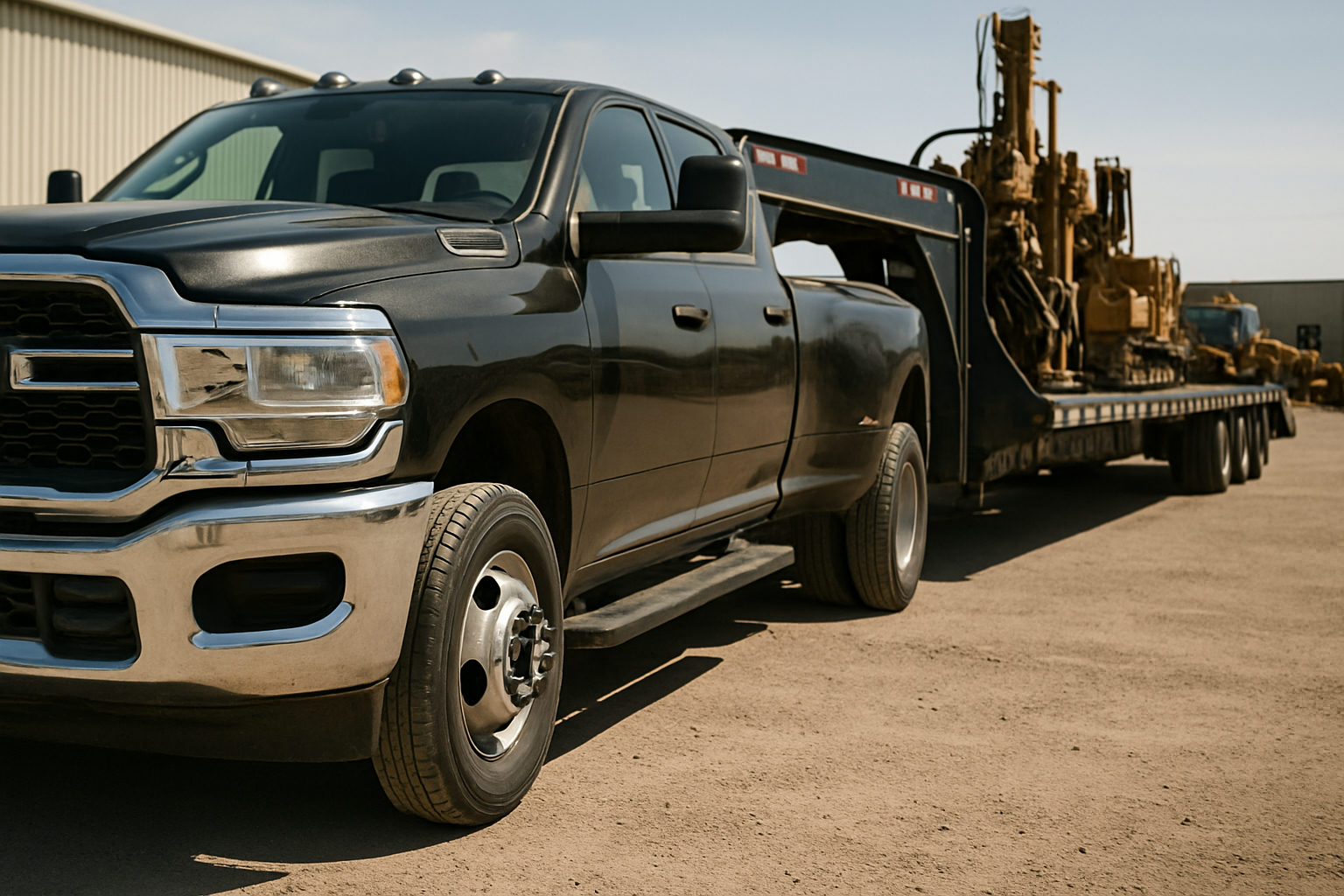
This matters most for owner-operators and small fleets running specialized freight. If you run reefer trucks, you want a carrier that writes temperature breakdown coverage without a fight. If you run flatbed trucks, you want a carrier familiar with tarping and securement claims. And if you are hauling shorter runs on a hotshot rig, the cargo needs and pricing look different again, which is covered in more detail on our hotshot insurance requirements page.
What drives the cost of motor truck cargo insurance?
Cost is driven mainly by commodity type, claims history, radius of operation, and the limit you choose. Hazmat and high-value freight cost more to insure than general dry goods. A clean claims history for two or more years typically gets you better pricing than a fresh authority with no track record. Most insurers classify a trucking business as a new authority for roughly the first one to two years, during which premiums run higher because there is no safety or claims record to underwrite against, and rates typically drop once a carrier completes a clean year or two of operation, according to the JDW Truck Insurance new authority guide. Carriers also price differently for local versus long-haul operations, since longer hauls and unattended overnight stops raise theft exposure.
If you are new to trucking authority, expect cargo pricing to run higher in your first year or two simply because you have no claims history for underwriters to price against, per Checkers Truck Insurance, a pattern that lines up with the quote trends we see at Trucker Path Insurance for new authorities. If you run a box truck or last-mile operation, our box truck insurance page covers how those cost factors typically shake out for smaller equipment.
Frequently Asked Questions
Continue reading
- Commercial truck insurance
- Compare truck insurance quotes
- Truck Insurance Fleet Program: Cost & Pricing Factors
- Hot Shot Insurance in Abilene TX: Cost and Requirements
- New Kensington PA Commercial Truck Insurance Coverage
- Coverages we offer for owner-operators & fleets
- Common questions about trucking insurance
Ready to compare rates? Get a free trucking insurance quote from carriers built for insurance tips.
Ready to Get Started?
Get personalized insurance quotes tailored to your business