How Much Does Semi Truck Insurance Cost in 2026
Get Your Free Insurance Quote
Compare quotes from top carriers in minutes
Semi truck insurance for an owner-operator or small fleet typically costs somewhere between $800 and $2,000 a month per truck, as a general estimate for 2026 based on the quotes we see come through Trucker Path Insurance and the pricing patterns reported by Logrock. That range covers primary liability, motor truck cargo, and physical damage together, and it is wide on purpose, because your specific number depends on your experience, your freight, your state, and your claims history a lot more than any single "average" figure can capture. If you have ever typed how much does semi truck insurance cost into a search bar hoping for a straight answer, this is the honest one: it depends, but here is what it depends on.
Below is a breakdown of what drives that price up or down, what coverages you are actually required to carry, and how to avoid overpaying for coverage you do not need. When you are ready for a real number instead of a range, requesting quotes directly and comparing what carriers actually offer for your operation is the fastest path to clarity.
How much does semi truck insurance cost per month
Most owner-operators pay somewhere in the $800 to $2,000 monthly range for a full package that includes primary liability, motor truck cargo, and physical damage. New authority carriers and drivers with under two years of experience often land at the higher end of the range or above it. According to Logrock, new-authority operators typically pay roughly $1,200 to $2,500 or more per month for full package coverage until they build a clean operating record.
Small fleets with three to ten trucks can sometimes bring the per-truck cost down once they have a claims history to show underwriters, but a fleet with even one at-fault accident can see the opposite effect fast. There is no flat industry rate because trucking insurance is priced truck by truck, driver by driver, and lane by lane.
What factors actually change your premium
The biggest levers are authority age, radius of operation, freight type, and driving record, in roughly that order for most new operators. Here is how each one plays out in practice.
- New authority (under 2 years): Underwriters treat new MC numbers as an unknown risk. Expect a new authority surcharge that can add several hundred dollars a month until you hit that two year mark with no major claims.
- Radius of operation: Long haul, coast to coast runs generally cost more to insure than regional or local routes because more miles mean more exposure.
- Freight type: Hauling high value electronics or hazmat carries higher cargo and liability exposure than dry van dry goods. A reefer truck also adds refrigeration breakdown risk on top of standard cargo coverage, and a dump truck running aggregate or demolition loads carries its own cargo and liability profile.
- Driving record and CDL history: Moving violations, especially within the last three years, push rates up. A clean MVR is one of the few things fully in your control. A DUI or major violation does not always disqualify you, but expect a smaller pool of carriers willing to write the policy and, in some cases, a waiting period before certain carriers will consider an application.
- Truck age and value: Older trucks cost less to insure for physical damage simply because they are worth less to replace, but they may also carry higher mechanical breakdown risk.
- Coverage limits and deductibles: Raising your deductible on physical damage from $1,000 to $2,500 can meaningfully lower your premium, but only if you can actually cover that deductible out of pocket after a claim.
What coverage is legally required for a semi truck
Federal law sets the floor, and your state or your broker may push it higher. Under 49 CFR Part 387, interstate carriers hauling general non-hazardous freight in a truck with a GVWR of 10,001 pounds or more must carry a minimum of $750,000 in public liability coverage. You can confirm this directly on fmcsa.dot.gov or ecfr.gov.
In our experience working with shippers and brokers, almost none of them will actually load you at $750,000. Most require $1,000,000 in liability before they will even sign a contract, so treat $1 million as the real working standard, not the legal minimum. Oil and many hazardous materials require $1,000,000 by federal rule, and bulk explosives, poison gas, and hazardous substances require $5,000,000. These figures are federal and do not change state by state, though your state may layer additional intrastate requirements on top. Always confirm current requirements with FMCSA or your state department of insurance before you sign anything, since regulations and interpretations can shift.
How much does each type of coverage cost separately
Primary liability is usually the biggest line item, but it is not the only one you need. The ranges below reflect TPI's own aggregated quote data across the owner-operators and small fleets we work with, though your actual costs will depend on your carrier, your state, and your risk profile, and they are not a substitute for a bound quote.
| Coverage type | Typical monthly range | Who usually needs it |
|---|---|---|
| Primary liability | $400 to $1,200 | Every operator with authority, required by law |
| Motor truck cargo | $50 to $200 | Anyone hauling freight for hire, often required by shippers |
| Physical damage | $150 to $500 | Owners with a loan or lease, or anyone protecting a paid off truck |
| Non-trucking liability | $20 to $60 | Leased owner-operators driving off dispatch |
| Trailer interchange | $20 to $80 | Drivers pulling trailers they do not own |
| General liability | $30 to $75 | Anyone with a yard, warehouse, or client site visits |
These are estimates drawn from quote activity we track, not guaranteed prices, and your actual numbers will vary by carrier, state, and your specific risk profile. The only way to know your real number is to get quotes run against your MC number and driving history.
A worked example: two owner-operator profiles side by side
Numbers land differently depending on where you are in your career. Here is a simplified comparison of how the same dry van setup might price out for two different operators, based on the ranges above and the authority-age pattern reported by Logrock.
| Profile | Authority age | Typical monthly range | Why |
|---|---|---|---|
| New authority, clean CDL | Under 6 months | $1,200 to $2,500+ | No claims history for underwriters to price against |
| Established owner-operator | 3+ years, no at-fault claims | $800 to $1,400 | Track record lowers perceived risk |
If you want to see where your own numbers might fall without waiting on a full quote, tools like the instant rate estimator can give you a starting point before you talk to an underwriter.
Does vehicle type or location change the answer
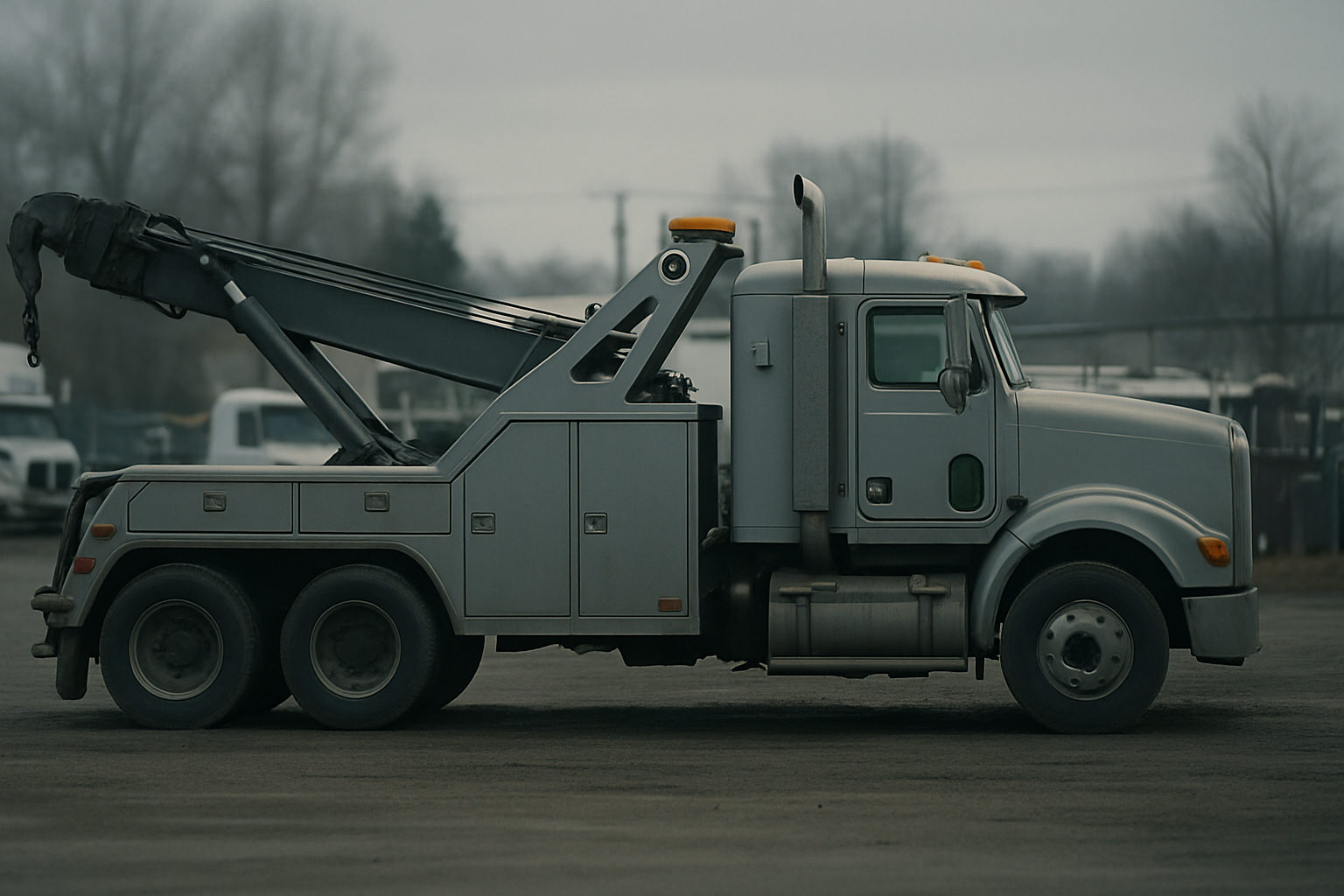
Yes, both matter quite a bit. If you are hauling a specific type of equipment, the cost picture can look different from the general averages above. For example, hotshot insurance costs tend to run lower than full semi coverage because a hotshot pickup and trailer setup carries less liability exposure and a lower replacement value than a full semi, while dump truck and tanker operations often carry higher premiums due to cargo risk. If you are weighing the two paths, our guide on hotshot insurance cost walks through that comparison in more detail. Our breakdown by vehicle type covers how flatbeds, box trucks, and tow trucks compare as well.
Location matters just as much. Claims frequency, weather risk, litigation environment, and state specific filing requirements all vary. If you run primarily in Texas, for instance, our guide to semi truck insurance in Texas covers what drives cost in that market specifically. If you are comparing options more broadly, our breakdown of commercial truck insurance rates by state and our state-by-state guide can give you a sense of where your state falls relative to others we serve.
How can you lower your semi truck insurance cost
The most effective way to lower cost is to build a clean safety record and shop multiple carriers instead of renewing on autopilot. A few concrete moves that tend to help:
- Bundle liability, cargo, and physical damage with one carrier when the combined price beats separate policies, which it often does. Our coverages offered page walks through what is typically bundled together.
- Raise your physical damage deductible if you have the cash reserve to cover it.
- Install an ELD or dashcam if your carrier offers a discount for verified safety technology.
- Avoid lapses in coverage. A gap in your insurance history is one of the fastest ways to see your renewal quote spike.
- Compare quotes annually rather than assuming your current carrier is still competitive. Rates shift as carriers adjust their appetite for different freight types and states.
One more thing worth flagging: a quote that comes in far below everyone else's is not automatically a good deal. Sometimes it reflects a legitimate discount for a clean record or lower mileage, and sometimes it means thin coverage limits or a carrier with a poor claims payment history. We wrote about some of the pricing tricks to watch for in why truck insurance is broken.
Frequently Asked Questions
Continue reading
- Semi truck insurance
- Compare truck insurance quotes
- Flatbed Truck Insurance Massachusetts: What It Costs
- Autonomous Truck Insurance Costs After the Beacon Rule: A Cost Drivers Guide
- Autonomous Truck Warning Beacon Insurance Liability
- Coverages we offer for owner-operators & fleets
- Common questions about trucking insurance
Ready to compare rates? Get a free trucking insurance quote from carriers built for insurance tips.
Ready to Get Started?
Get personalized insurance quotes tailored to your business