Flatbed Truck Insurance Massachusetts: What It Costs
Get Your Free Insurance Quote
Compare quotes from top carriers in minutes
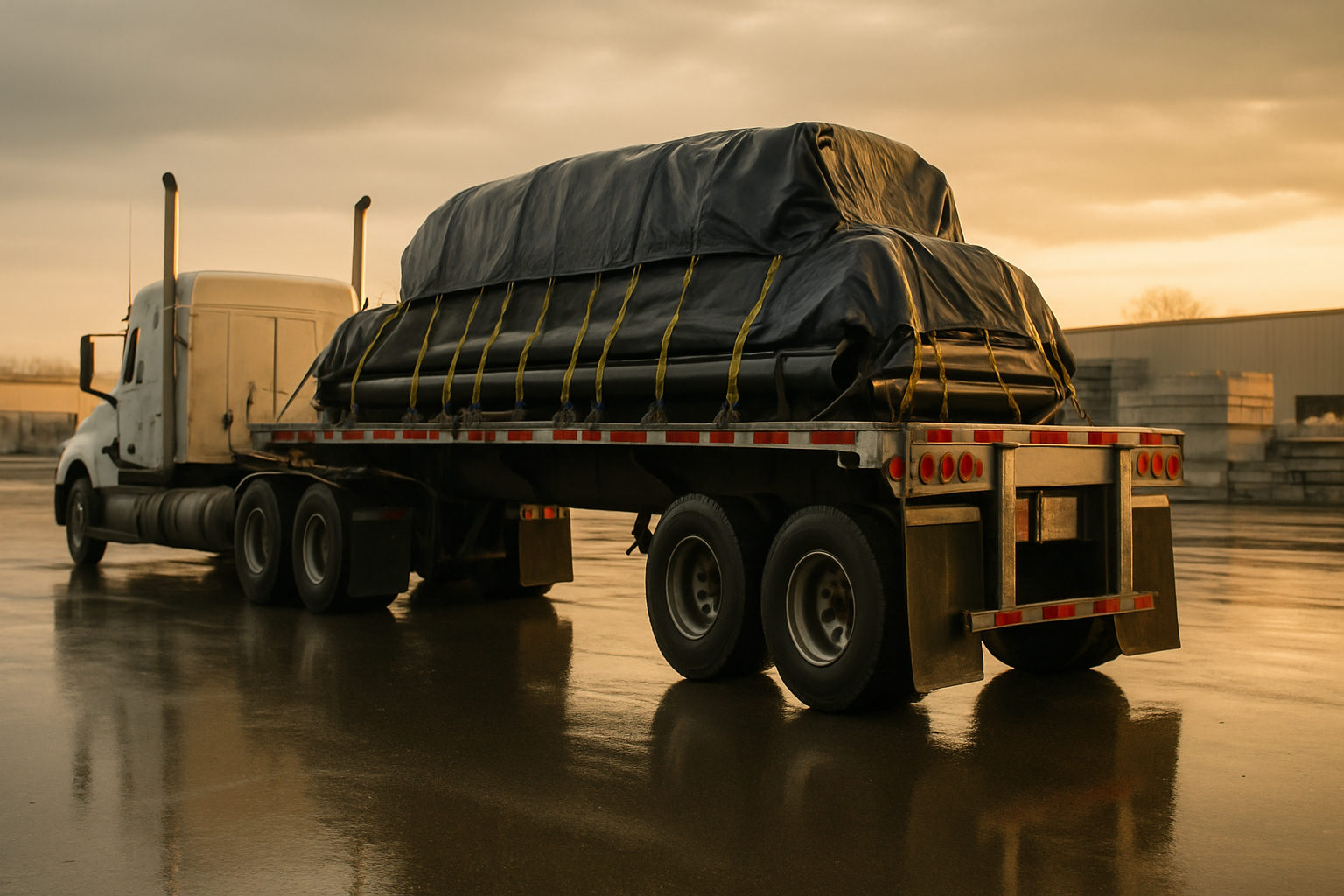
Flatbed truck insurance in Massachusetts typically costs more than standard dry van coverage because flatbed cargo (steel, lumber, machinery, construction materials) is exposed to the weather and road debris, and tie down failures are a common cause of claims. As a planning range for October 2026, a single flatbed owner-operator with a clean record might see primary liability plus cargo and physical damage land somewhere between $9,000 and $16,000 a year, though your actual number depends heavily on experience, radius, and the freight you haul. Get an actual quote before you plan around any number you read online, including this one.
The rest of this guide breaks down where that money goes, what pushes it up or down, and what you can actually control as an owner-operator or small fleet.
How much does flatbed truck insurance cost in Massachusetts?
There is no single flatbed rate because insurers price each policy on your MC age, driving record, radius of operation, and the specific freight you haul. A new-authority flatbed hauler running oversize steel coils in and around Boston will pay more than a 10-year carrier hauling lumber on rural routes in western Massachusetts. As a dated, unattributed estimate for October 2026, expect primary liability alone to run roughly $7,000 to $12,000 a year for a single truck, with motor truck cargo and physical damage adding another $2,000 to $5,000 depending on equipment value and deductible. Treat these as planning ranges, not quotes, and confirm current numbers before you budget.
Federal minimum public liability for general freight over 10,001 lbs GVWR is $750,000, but most shippers and brokers in practice require $1,000,000, so that is the working standard almost every flatbed carrier buys. This is a federal rule under 49 CFR Part 387 and does not change by state, though Massachusetts can layer its own intrastate rules on top. Massachusetts does not currently impose an additional minimum liability requirement above that federal floor for interstate motor carriers. The Massachusetts Division of Insurance focuses on insurer licensing, financial responsibility filings, and intrastate operators rather than raising the $750,000 floor itself, so an interstate flatbed hauler based in Massachusetts is generally working to the same federal numbers as a carrier based anywhere else. Confirm current limits with FMCSA or your state department of insurance before you bind a policy. We do not yet have a Massachusetts-specific state page live, but for a broader look at how requirements compare state to state, our truck insurance requirements by state overview walks through the state-by-state picture, and our flatbed truck insurance page covers coverage specifics in more depth.
What drives a flatbed rate up or down in Massachusetts?
The biggest levers are your safety record, years of authority, and the cargo you actually haul, not the state line. Massachusetts adds a few local wrinkles worth knowing about if you run flatbed in or through the state.
Winter is the big one. Ice and snow on I-90 (the Mass Pike) and I-95 around Worcester and the Berkshires slow freight and raise accident frequency between December and March, and insurers price that seasonal risk into year-round premiums rather than just the winter months. Add in the fact that MassDOT applies road salt and sand aggressively on these corridors, which accelerates corrosion on flatbed decks, chains, and binders, and you get more wear-related claims on older equipment than you would see in a drier climate.
Boston itself is a second factor. Dense downtown traffic, low clearance tunnels like the Ted Williams and Sumner, and tight delivery windows around the Seaport and Logan Airport freight zones mean flatbed drivers hauling oversize loads often need MassDOT oversize and overweight permits, and insurers ask about permit compliance history when pricing cargo coverage. A hauler with a clean permit record and documented tie down inspections typically underwrites better than one without that paperwork on file.
Massachusetts also has a real concentration of construction and steel freight tied to ongoing infrastructure work around the MBTA, the Cape Cod bridges replacement project, and general commercial building in the Boston metro, all of which keeps flatbed demand (and claims exposure) higher here than in some neighboring New England states with lighter industrial freight bases. Here are the other levers that matter regardless of location:
- New authority: Carriers under 24 months of MC history typically pay a premium because insurers have no claims history to price against.
- CSA score and violations: Hours of service and inspection violations raise your rate faster than almost anything else.
- Cargo type: Steel, pipe, and heavy machinery carry higher cargo premiums than lumber or building materials because of theft and tie down risk.
- Radius of operation: Long haul interstate flatbed work generally costs more than regional or local hauling.
- Equipment age and value: Newer trailers and tractors cost more to insure for physical damage but may qualify for better comprehensive terms.
- Deductible choice: Raising your physical damage deductible from $1,000 to $2,500 is one of the few levers you control directly and it lowers premium immediately.
How does flatbed compare to other truck types for cost?
Flatbed generally prices above dry van and below tanker or hazmat, because the cargo exposure is real but the hauling itself is not classified as hazardous material. Here is a comparison using a mix of dated planning estimates and figures from named industry publishers, current as of late 2025 and 2026 as noted.
| Equipment type | Typical annual liability + cargo estimate | Why |
|---|---|---|
| Dry van | $7,000 to $11,000 | Enclosed cargo, lower theft and weather exposure |
| Flatbed | $9,000 to $16,000 | Open cargo, tie down and weather risk, oversize loads |
| Reefer | Roughly $10,000 to $18,000 for a single-truck owner-operator with a clean record, depending on commodities hauled and operating radius | Spoilage risk added on top of standard cargo exposure |
| Tanker / hazmat | $14,000 to $25,000+ | Highest premiums of any cargo type, driven by federal liability minimums up to $5 million for certain hazardous materials and higher environmental and cleanup exposure |
| Box truck (local, liability only) | $3,000 to $5,000; full or comprehensive coverage typically pushes the total to $8,000 to $14,000 | Lower mileage, local radius, lighter GVWR classes, but added coverage for cargo and physical damage raises the total |
The reefer figure is from MyFullCoverage, current as of November 2025. The tanker and hazmat figure is from Renegade Insurance, current as of 2026. The box truck figures are from Copeland Insurance Agency, current as of 2025. The dry van and flatbed rows remain planning estimates only, not quotes, and premiums vary a lot by carrier and driver profile. If you run flatbed specifically, our page on flatbed truck insurance walks through the coverage types flatbed haulers typically carry in more detail.
What coverages does a Massachusetts flatbed hauler actually need?
Primary liability is required by federal law to operate under interstate authority, but most flatbed carriers also need motor truck cargo and physical damage to protect the freight and the equipment itself. A typical flatbed policy stack includes primary liability (commonly $1,000,000 even though the federal floor is $750,000 for general freight), motor truck cargo to cover the load if it shifts or is damaged in transit, physical damage on the tractor and trailer, and non-trucking liability if you also use the truck off dispatch. If you lease to a carrier, trailer interchange coverage may also apply.
Flatbed-specific risk means cargo securement matters for claims, not just for roadside inspections. Insurers often ask about your tie down equipment, tarping practices, and whether you haul oversize or overweight loads requiring MassDOT permits, because all of that affects how a cargo claim gets paid. If your pricing is the main concern, our guide to cheap truck insurance covers practical ways to keep premiums reasonable without cutting coverage you actually need.
Why do insurance cancellations matter for Massachusetts flatbed carriers?
Insurance cancellations are common in trucking and they create compliance gaps fast. Trucker Path Insurance tracked 47,234 FMCSA insurance cancellation filings nationwide between April 6, 2026 and May 25, 2026, based on our own analysis of FMCSA filing data. That volume shows how often carriers lose coverage, whether from nonpayment, a carrier exiting a state, or a broker switch gone wrong, and a gap in your insurance filing can shut down your authority even for a few days. For a Massachusetts flatbed hauler running tight delivery windows around Boston or seasonal construction freight on the Cape, a sudden cancellation during peak season can mean missed loads you cannot easily recover. If you are shopping flatbed coverage in Massachusetts, it is worth comparing quotes before your current policy lapses rather than after.
Frequently Asked Questions
Continue reading
- Flatbed truck insurance
- Compare truck insurance quotes
- Specialty Trucking Coverage: What to Check Before You Buy
- Autonomous Truck Insurance Costs After the Beacon Rule: A Cost Drivers Guide
- Autonomous Truck Warning Beacon Insurance Liability
- Coverages we offer for owner-operators & fleets
- Common questions about trucking insurance
Ready to compare rates? Get a free trucking insurance quote from carriers built for insurance tips.
Ready to Get Started?
Get personalized insurance quotes tailored to your business