Bobtail Insurance Cost: What Owner-Operators Pay in 2026
Get Your Free Insurance Quote
Compare quotes from top carriers in minutes
Bobtail insurance usually costs less than most owner-operators expect, often in the range of a few hundred dollars a year, well below what you pay for primary liability. The exact number depends on your driving record, your truck, and which carrier you run for. Before you go shopping for a new policy, it's worth checking what you already have, since some physical damage or non-trucking liability policies bundle bobtail coverage in, though this varies by insurer and isn't something you should assume without reading your policy declarations page.
This post breaks down what bobtail insurance is, what pushes the price up or down, how it compares to the coverage you already carry as an owner-operator, and answers the most common questions drivers ask before buying it. This is general information, not a quote or legal advice, so always verify current federal and state requirements directly with FMCSA or your state's department of insurance before making coverage decisions.
How much does bobtail insurance cost?
As of July 2026, industry sources put typical market ranges for standalone bobtail (non-trucking liability) coverage around $200 to $600 per year for an owner-operator with a clean record. This is a general market estimate based on trends brokers commonly see when quoting this coverage, not data from a single authoritative source. Drivers with violations, recent claims, or newer authority tend to land higher in that range or above it. Your actual premium depends on your carrier, your equipment, and your state, so treat this as a starting point for budgeting rather than a firm number.
Compared to primary liability, which can run into the thousands annually, bobtail coverage is cheap because it only applies during limited situations: when you're driving your truck without a trailer and not dispatched on a load.
How much is bobtail insurance per month?
If you break the annual range down, $200 to $600 a year works out to roughly $17 to $50 a month for most owner-operators with a clean record. Drivers with a rougher driving history or a higher-value truck might see monthly costs climb well above that, sometimes into the $70 to $100 range. Paying monthly instead of annually sometimes carries a small fee, so ask your broker whether an annual payment saves you money before you commit to a payment schedule.
What is bobtail insurance and why do owner-operators need it?
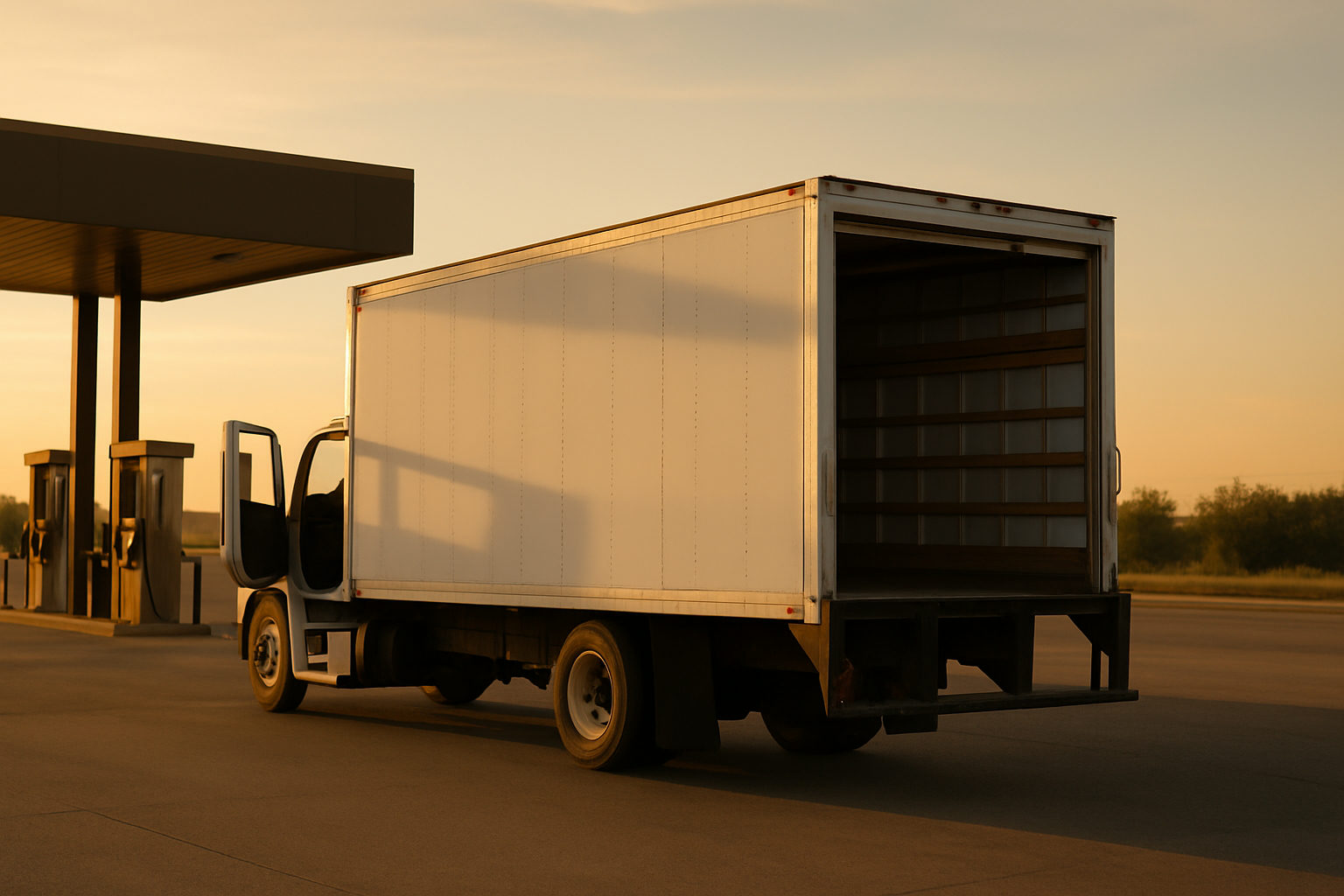
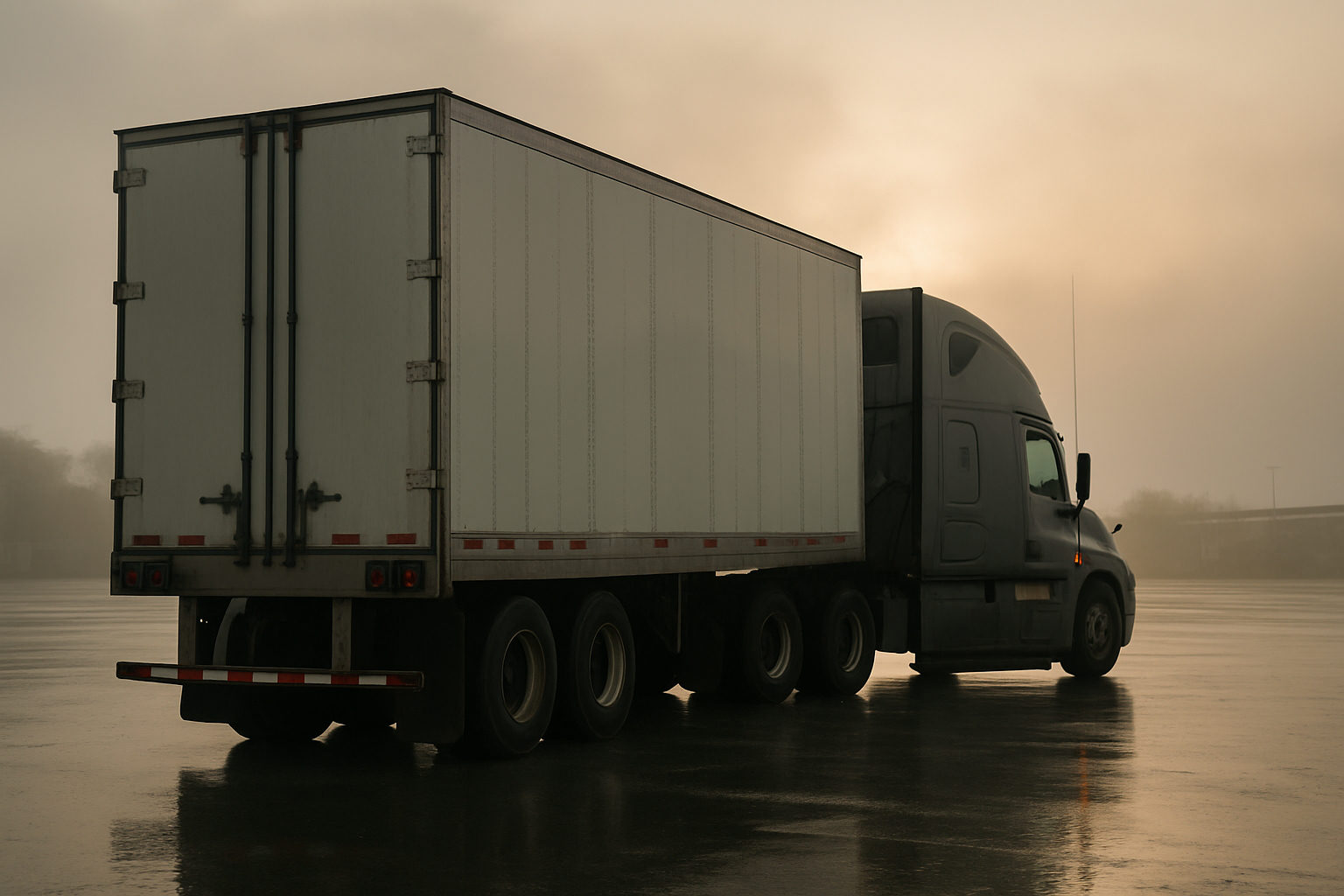
Bobtail insurance covers your liability when you're driving your truck without a trailer attached and you're not under dispatch for a motor carrier. Think of the drive from the yard to the truck stop, or heading home after dropping a trailer. During that time, your motor carrier's primary liability policy usually doesn't apply, because you're not actively hauling a load for them.
Federal rules under 49 CFR Part 387 set minimum public liability requirements for motor carriers hauling freight in interstate commerce, generally $750,000 for non-hazardous freight over 10,001 lbs GVWR, though most brokers require $1,000,000 in practice, and higher amounts for hazardous materials. Those rules cover you while you're dispatched and hauling, but they leave a gap for the time you're driving without a trailer and off-dispatch, which is exactly the gap bobtail and non-trucking liability coverage are designed to fill. You can read the current requirements directly at the FMCSA website or in the official text of 49 CFR Part 387, and it's worth double-checking these figures with FMCSA since minimums can change.
Without bobtail coverage, an accident during that gap could leave you personally on the hook for damages, including medical bills, property damage, and legal costs. Most leased owner-operators are required by their carrier to carry it as a condition of the lease agreement. If you run under your own authority, it's still worth having any time your truck moves without a trailer, since a single at-fault accident without coverage could cost far more than years of premiums combined.
What affects the price of bobtail insurance?
Your driving record, years of experience, truck value, and how much you drive bobtail versus loaded all factor into the price. A driver with a clean MVR and a few years of experience will usually see lower rates than someone newer to the industry or with recent tickets or accidents.
Other factors that move the number:
- The state you're based in and where you primarily operate, since states set their own rules for intrastate operations
- Whether you're bundling bobtail with a physical damage or non-trucking liability policy
- Your equipment type, since a semi tractor and a hotshot pickup carry different risk profiles, as outlined on our truck insurance by vehicle type page
- How much annual mileage you log without a trailer
- Your claims history over the past three to five years
- Whether you carry any moving violations or CDL points on your record
If you're not sure how your setup compares, our trucking insurance tips page covers practical ways owner-operators keep costs down without cutting corners on coverage. State requirements can also shift what you pay, so if you want a sense of what's typical where you run, check our trucking insurance by state pages for state-specific detail.
Typical cost ranges by driving record and equipment
The table below gives a rough sense of how driving record and equipment type tend to move bobtail insurance pricing. These are general market ranges, not quotes, and your actual price will depend on your specific carrier, state, and full application.
| Driver profile | Typical annual range | Typical monthly range |
|---|---|---|
| Clean record, semi tractor, 3+ years experience | $200 to $350 | $17 to $29 |
| Clean record, hotshot pickup or smaller truck | $175 to $300 | $15 to $25 |
| Minor violations, semi tractor | $350 to $500 | $29 to $42 |
| Recent at-fault accident or major violation | $450 to $600+ | $38 to $50+ |
| New authority, less than 1 year experience | $400 to $600+ | $33 to $50+ |
If your quote comes in noticeably above these ranges, it's worth asking your broker exactly what's driving the number, whether that's your MVR, your equipment value, or the state you're based in.
Is bobtail insurance the same as non-trucking liability?
No, they're related but not identical, and this trips up a lot of owner-operators. Bobtail insurance specifically covers liability while driving without a trailer and off-dispatch. Non-trucking liability (NTL) is broader: it covers you any time you're using the truck for non-business purposes, trailer or no trailer, as long as you're not under dispatch.
Many carriers sell these as a combined product, so when someone says "bobtail insurance" they may actually mean an NTL policy that includes bobtail situations. The practical difference matters most if you sometimes tow a personal trailer or use your truck for anything outside of work, since a bobtail-only policy might not cover those situations the way a full NTL policy would. If you're comparing quotes, ask specifically whether the policy is bobtail-only or full NTL, and get it in writing so there's no confusion if you ever need to file a claim.
How to decide what coverage you actually need
Start by reading through your current insurance documents, including any physical damage or NTL policy you already carry, to see whether bobtail liability is already included. If it isn't, or if you're not sure, ask your broker directly rather than assuming either way. From there, a few questions can help you figure out what fits your situation:
- Do you ever drive the truck for personal reasons, not just to and from the yard? If so, full NTL may serve you better than bobtail-only coverage.
- Does your lease agreement specify a minimum bobtail liability limit? Many carriers require at least $750,000 to $1,000,000.
- How many miles a year do you actually drive without a trailer? If it's minimal, a lower-cost bobtail policy may be enough.
- Have you had any accidents or violations in the past three years that might push your rate higher than the typical range?
Once you have answers to those questions, getting a few quotes side by side is the fastest way to see where you actually land. You can start that process on our truck insurance quotes page, where you can compare options based on your specific truck, state, and driving record.
Continue reading
- Semi truck insurance
- Compare truck insurance quotes
- Box Truck Insurance Requirements: Minimums and Costs by Scenario
- Does Insurance Cover MC Authority Theft? The Real Cost
- Commercial Truck Insurance Requirements in Michigan (2026)
- Coverages we offer for owner-operators & fleets
- Common questions about trucking insurance
Ready to compare rates? Get a free trucking insurance quote from carriers built for insurance tips.
Ready to Get Started?
Get personalized insurance quotes tailored to your business