Low Cost Commercial Truck Insurance in Pennsylvania
Get Your Free Insurance Quote
Compare quotes from top carriers in minutes
Low cost commercial truck insurance in Pennsylvania comes down to matching your coverage to your actual risk and shopping that risk across several carriers, not just accepting one quote. A single truck under a new authority hauling general freight in Pennsylvania can see wide swings in annual premium depending on cargo type, radius of operation, and driving history. As a dated estimate for August 2026, owner-operators with a clean record and three or more years of experience are often quoted in the range of $9,000 to $16,000 a year for primary liability plus cargo on one truck, though this is a general estimate and not a quote, according to Truck Writers. New authorities and drivers with recent violations or accidents can see meaningfully higher numbers. The fastest way to find out where you actually land is to compare real quotes rather than guess from averages.
This guide breaks down what drives that price in Pennsylvania specifically, what coverage the state and federal government actually require, and where owner-operators tend to overpay without realizing it.
How much does commercial truck insurance cost in Pennsylvania?
Cost depends more on your specific risk profile than on the state itself, but Pennsylvania's mix of urban interstates, mountain grades, and heavy freight corridors like I-76 and I-81 does factor into carrier pricing. Dry van and box truck operations running regional routes generally price lower than flatbed, tanker, or hazmat work because of lower cargo and liability exposure. A driver based near Pittsburgh running short regional lanes will often see a different quote than one running long-haul reefer freight through Philadelphia's denser traffic, even with identical equipment.
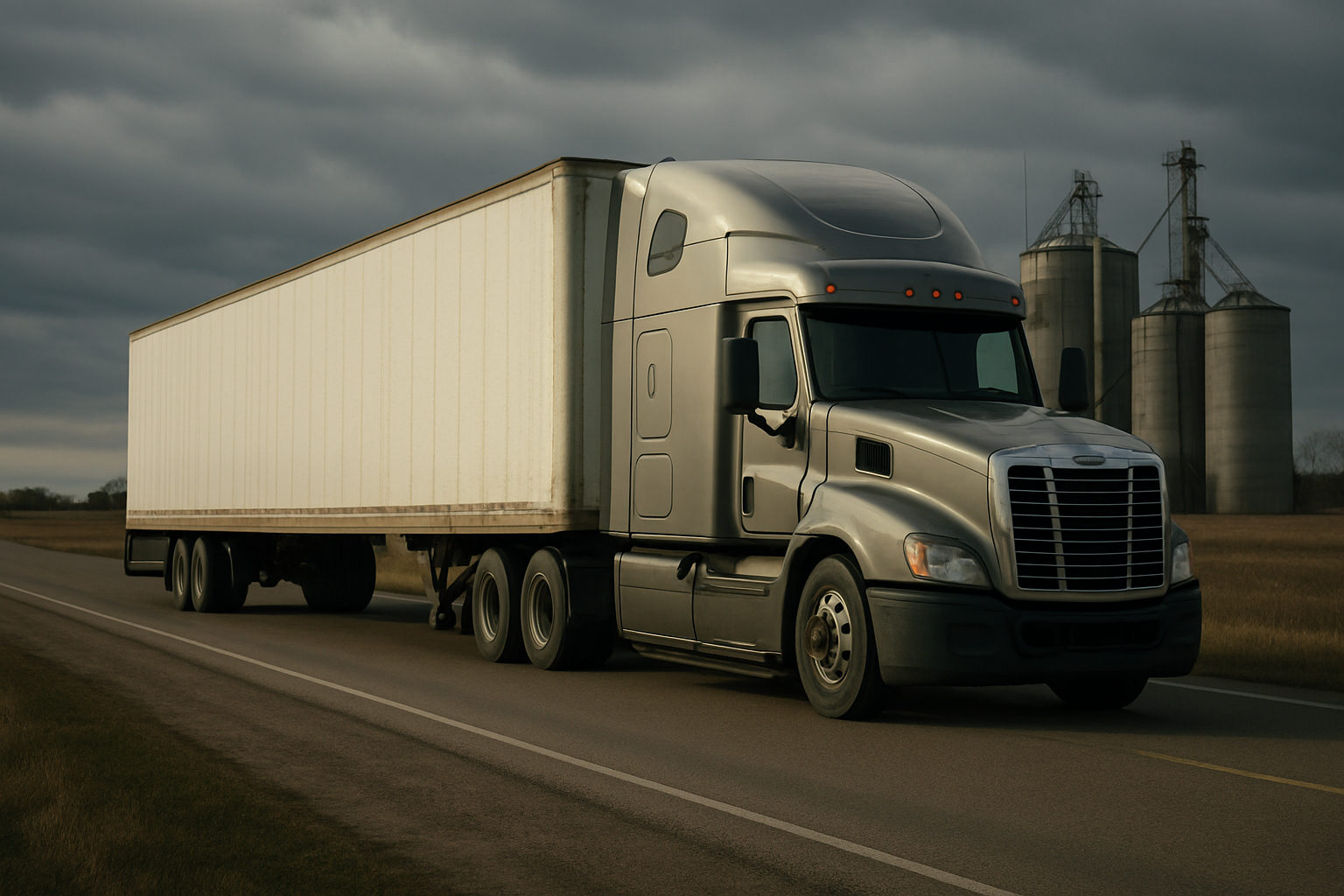
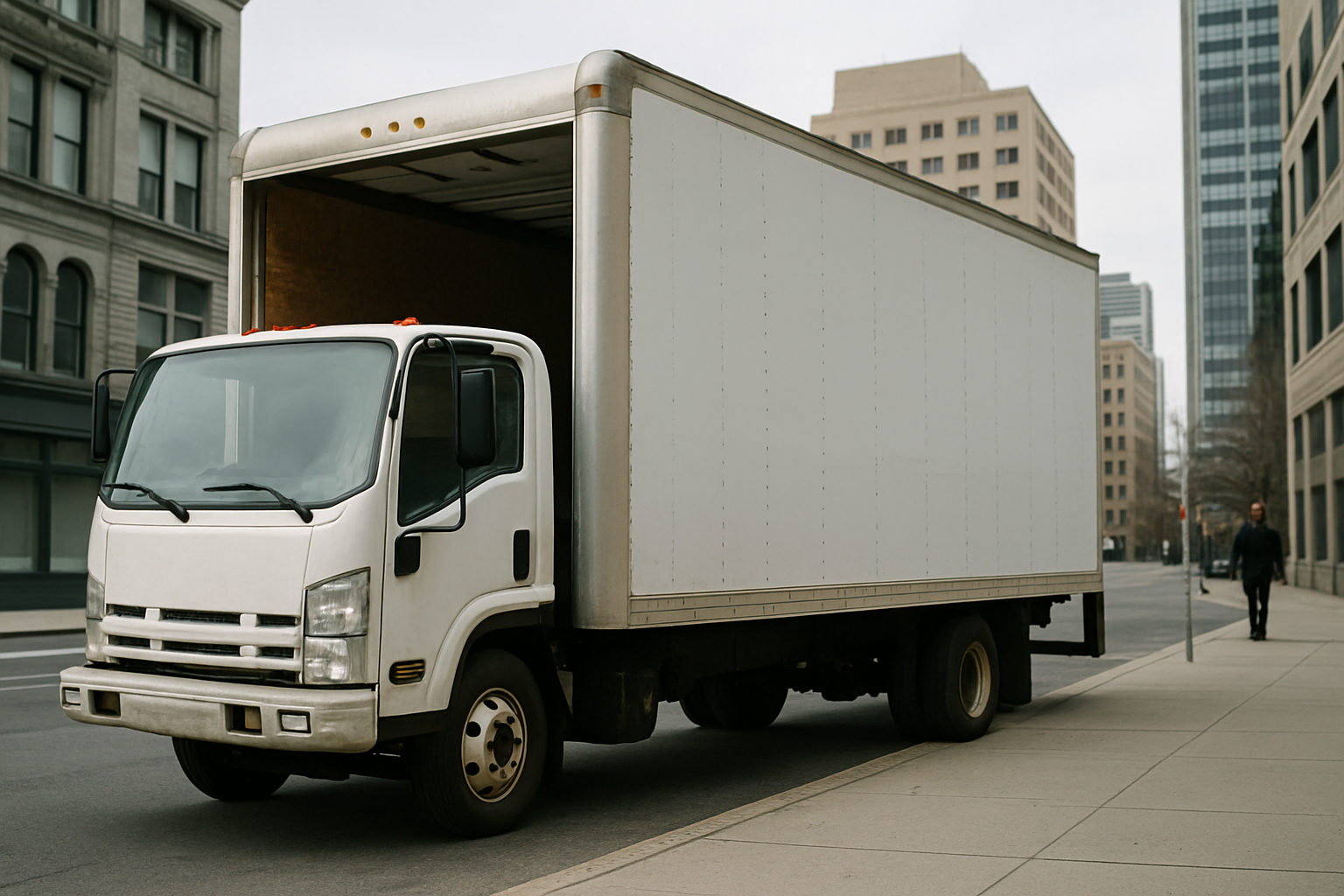
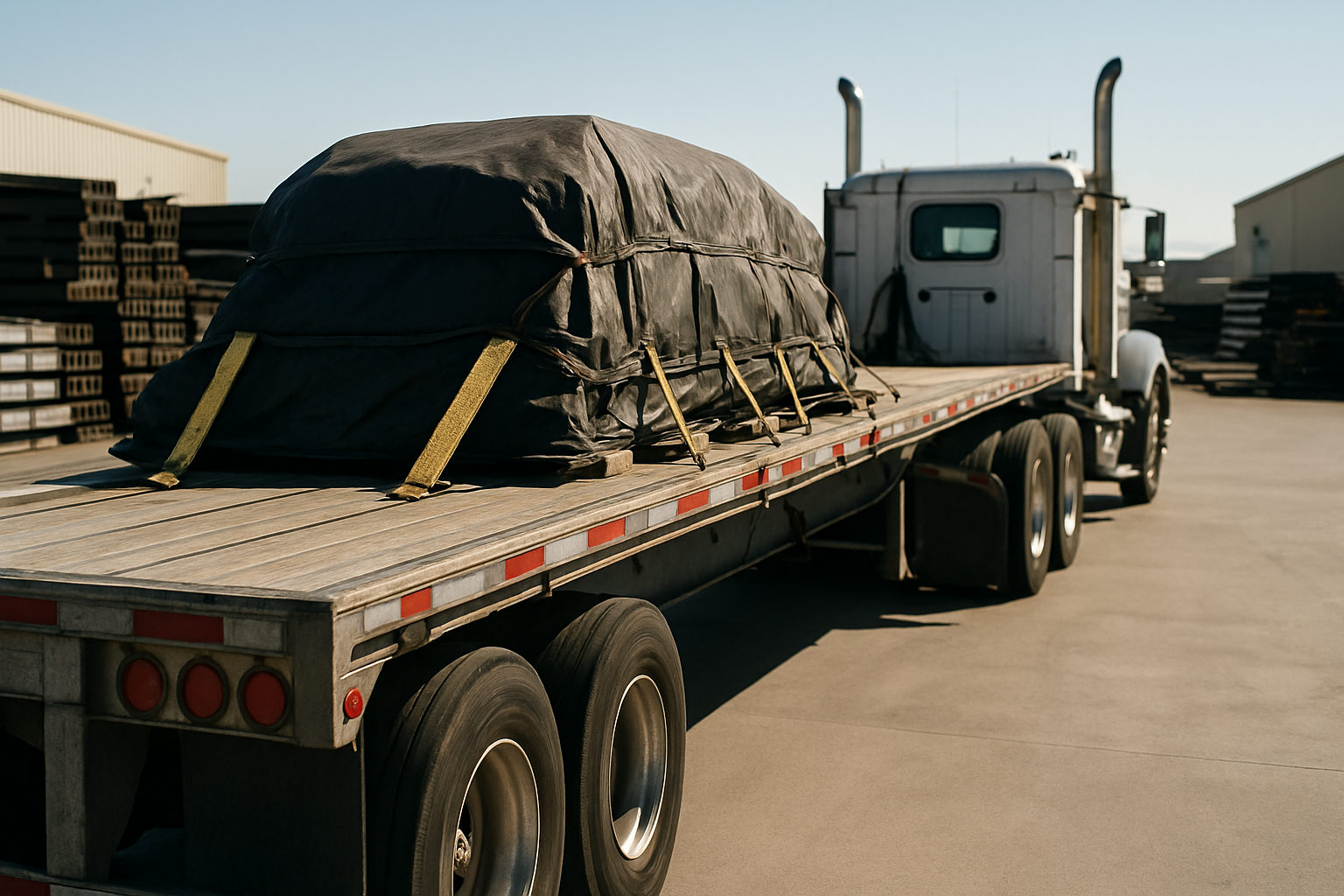
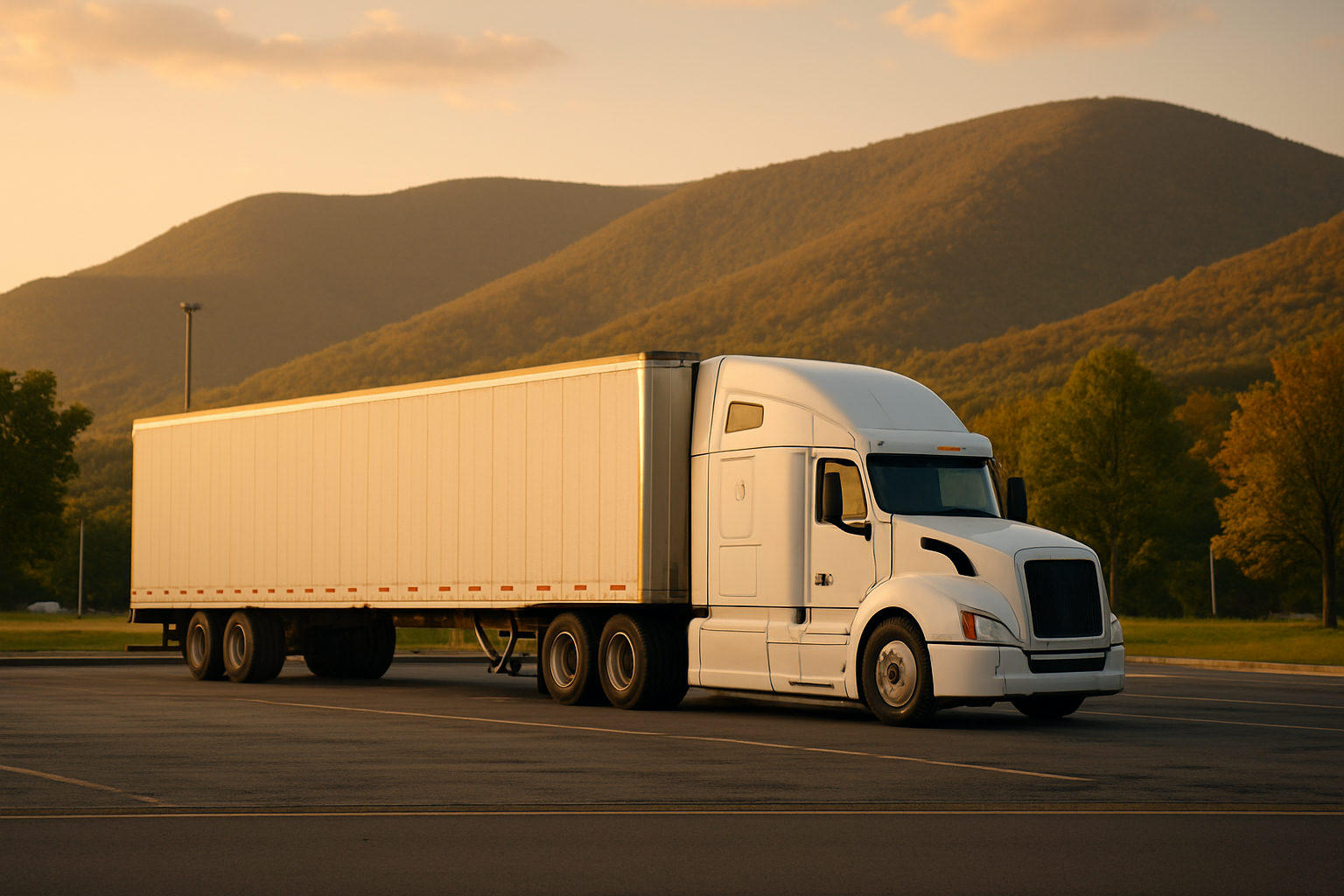
The table below shows estimated annual dollar ranges by equipment type for a single truck with primary liability, cargo, and physical damage. These figures start from national baseline estimates published in FreightWaves Checkpoint and Truck Writers, current as of August 2026, then adjusted directionally for Pennsylvania's freight corridors and traffic density since no publisher tracks state-level rates by equipment type. Treat these as directional numbers for budgeting conversations with an agent, not guaranteed prices.
| Equipment type | Approx. annual range (estimate) | Main cost driver |
|---|---|---|
| Dry van | $8,000-$12,000 | Freight radius and driver experience |
| Box truck | $7,500-$11,000 | Local vs. long-haul use |
| Flatbed | $10,000-$15,000 | Cargo value and securement claims |
| Reefer | $10,000-$16,000 | Cargo spoilage risk |
| Tanker/hazmat | $14,000-$22,000 | Hazmat cargo limits and spill exposure |
| Hotshot | $8,500-$13,000 | Trailer type and new-authority status |
These are directional comparisons, not fixed prices. If you run flatbed freight, our page on hotshot insurance cost breaks down how trailer choice and load type shift pricing further.
What's actually included in these price ranges?
When people talk about a truck insurance quote, they usually mean a package of a few distinct coverages bundled together, not one single line item. Primary liability covers damage or injury you cause to others and is the piece federal law requires. Motor truck cargo covers the freight you are hauling if it's damaged, lost, or stolen in transit. Physical damage, sometimes split into comprehensive and collision, covers repair or replacement of your own truck and trailer. Many owner-operators also add non-trucking liability for when the truck is used off dispatch, and some add trailer interchange if they regularly pull trailers they don't own. The ranges above assume a package of primary liability, cargo, and physical damage on a single truck. Add hazmat endorsements, higher cargo limits, or multiple units, and the number moves accordingly.
What factors drive truck insurance costs in Pennsylvania?
Your driving record, years of authority, cargo type, and radius of operation matter more than your zip code, but all four combine to set your final rate. Carriers weigh how long you have held your own MC number, whether you have had a DOT reportable accident or moving violation in the last three years, what you haul, and how far you run from your base. New authorities under 12 to 24 months typically pay more because carriers have no claims history to underwrite against, which is worth planning for upfront rather than being surprised by a quote later. Physical damage coverage on newer or higher-value trucks also raises premium, as does adding trailer interchange if you regularly pull trailers you do not own.
A worked example: two drivers, two very different quotes
Consider two owner-operators, both running a single truck out of Pennsylvania. The first has held authority for five years, hauls dry van general freight on regional lanes, and has no accidents or violations on record. The second got their authority eight months ago, hauls flatbed freight with occasional oversized loads, and has one moving violation from last year. Even with identical equipment value, the second driver will typically see a noticeably higher quote, driven by the combination of authority tenure, cargo type, and driving record together rather than any single factor. This is why two truckers running the same make and model of truck can get quotes that look nothing alike, and why comparing your own numbers against a general average rarely tells you much.
How can owner-operators find the lowest cost truck insurance in Pennsylvania?
The most reliable way to find low cost coverage is to get quotes from multiple carriers rather than renewing with one insurer year after year, since underwriting appetite and pricing shift constantly across carriers. Beyond shopping around, a few concrete moves tend to help: raising your physical damage deductible if you can absorb a larger out-of-pocket claim, bundling non-trucking liability with your primary policy instead of buying it separately, and keeping a clean CSA score by staying current on inspections and maintenance logs.
Dropping coverage limits below what shippers require is not a real savings strategy. Most freight brokers and shippers now require $1,000,000 in liability regardless of the federal minimum, so cutting to the bare minimum often locks you out of loads rather than saving meaningful money. Our breakdown of cheap truck insurance options covers where real savings exist versus where cutting corners backfires.
What coverage does Pennsylvania require for commercial trucks?
Federal law under 49 CFR Part 387 sets minimum public liability at $750,000 for general freight over 10,001 lbs GVWR operating interstate, $1,000,000 for oil and many hazardous materials, and $5,000,000 for bulk explosives, poison gas, and hazardous substances. You can review these figures directly on the FMCSA site and the current text at eCFR. In practice, most shippers and brokers require $1,000,000 in liability regardless of the federal floor, so treat that as your realistic working minimum rather than the $750,000 figure. Pennsylvania does not layer significant additional intrastate liability requirements on top of federal minimums for most for-hire interstate carriers, but always confirm your specific operation with the Pennsylvania Department of Insurance or FMCSA before finalizing coverage, since intrastate-only operations can have different rules.
If you are running out of the Pittsburgh area specifically, our guide to truck insurance in Pittsburgh covers local considerations like winter driving conditions and regional carrier appetite. And if you want a broader look at how Pennsylvania compares to nearby states on requirements and typical costs, start with our page on Pennsylvania truck insurance.
Does the type of truck I drive change what "low cost" looks like?
Yes, significantly. A box truck running local Philadelphia delivery routes carries a very different risk profile than a tanker hauling fuel across the state, and premiums reflect that gap directly. If you are not sure which coverage combination fits your specific equipment, our truck insurance by vehicle type page walks through what each equipment category typically needs, from semi trucks and dry vans to dump trucks and tow trucks.
Frequently Asked Questions
Continue reading
- Pennsylvania trucking insurance requirements
- Compare truck insurance quotes
- Rider Policy for Truck Drivers: What It Costs in 2026
- Commercial Box Truck Insurance Cost in North Carolina: What to Expect
- Pickup Truck Insurance Online Quote: What You Need First
- Coverages we offer for owner-operators & fleets
- Common questions about trucking insurance
Ready to compare rates? Get a free trucking insurance quote from carriers built for insurance tips.
Ready to Get Started?
Get personalized insurance quotes tailored to your business