Trucking Company Insurance Requirements Explained
Get Your Free Insurance Quote
Compare quotes from top carriers in minutes
A trucking company needs, at minimum, public liability insurance that meets federal thresholds under 49 CFR Part 387, plus motor truck cargo coverage if you haul freight for hire. For most general freight haulers running interstate at 10,001 lbs GVWR or more, the federal floor is $750,000, but almost every broker and shipper contract you sign will require $1,000,000, so that is the number to plan around. If you haul hazmat or bulk hazardous materials, the limits jump higher. Beyond liability, most companies also need cargo insurance, physical damage, and often general liability before a shipper will even load them.
That is the short answer. The rest of this comes down to which numbers apply to your operation, what a shipper or broker will actually demand on top of the federal floor, and what paperwork you have to file to prove it.
What insurance is legally required to run a trucking company?
The two non-negotiable pieces are primary liability insurance and, if you carry freight that belongs to someone else, motor truck cargo insurance. Liability is the federally mandated coverage that pays for damage or injury you cause to other people and their property. Cargo insurance covers the freight itself if it is lost, damaged, or stolen while in your care.
Beyond those two, most companies end up needing several more policies depending on how they operate:
- Physical damage coverage for your own truck and trailer
- Non-trucking liability for when the truck is being used off dispatch
- Trailer interchange coverage if you pull trailers you do not own
- General liability for things like slip and fall claims at a yard or terminal
- Occupational accident coverage, often used in place of workers comp for owner-operators
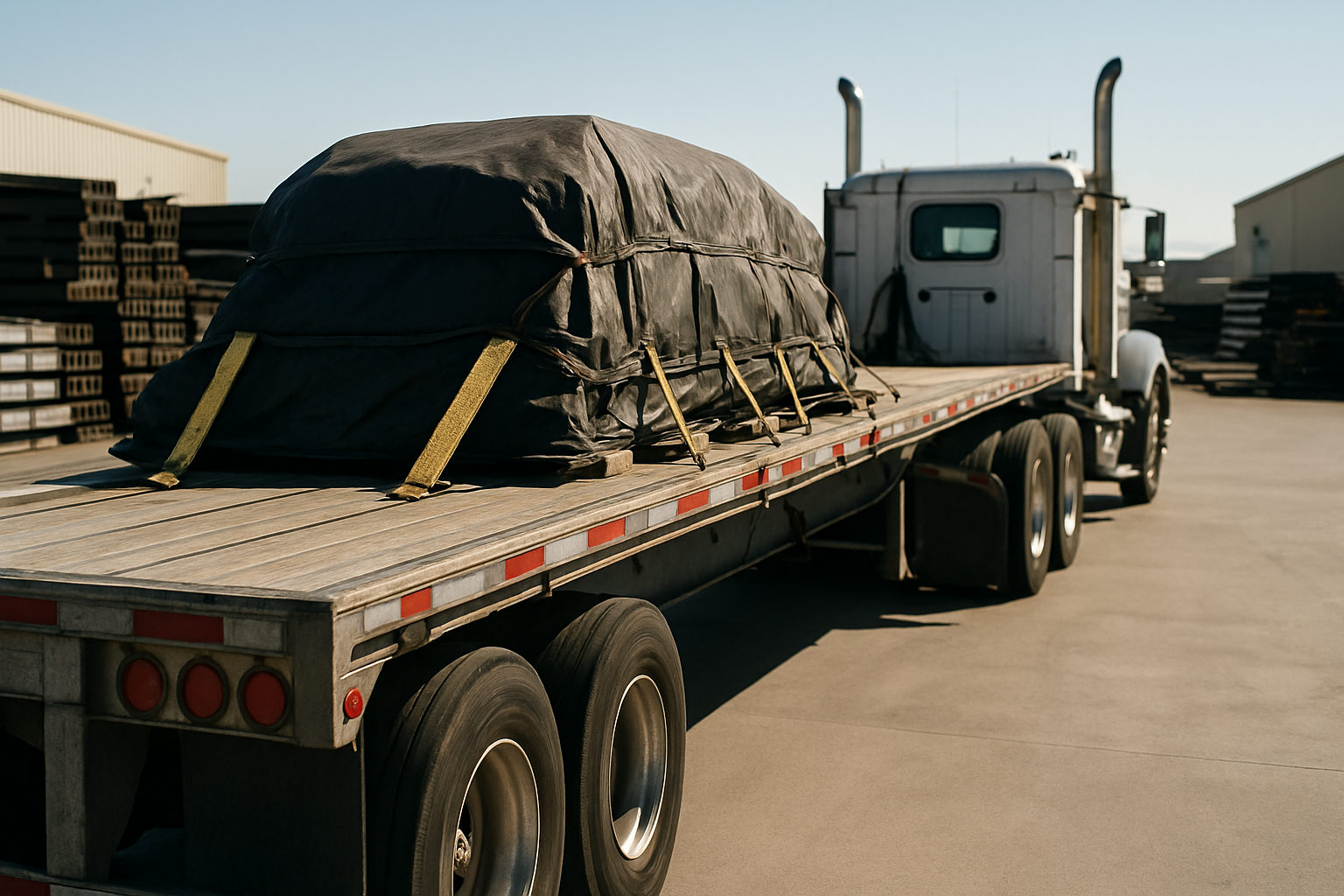
Which of these you actually need depends on your equipment and how you're set up. A flatbed hauler pulling a leased trailer needs trailer interchange. A box truck operator doing local delivery for a single client may not. Requirements shift by lane, cargo type, and who you're contracted with, so it's worth checking your specific setup against your contracts rather than assuming a standard package covers you.
How much liability insurance does a trucking company need under FMCSA rules?
The federal minimum for general freight hauled interstate is $750,000 in public liability coverage, per 49 CFR 387.9. That number applies to non-hazardous freight moved in vehicles over 10,001 lbs GVWR crossing state lines. Oil and many other hazardous materials require $1,000,000, and freight like explosives, poison gas, or hazardous substances hauled in bulk require $5,000,000.
Here's the catch that trips up a lot of new authority holders: the federal minimum and what the market actually requires are two different things. In practice, most brokers, shippers, and freight matching platforms will not tender a load to a carrier without $1,000,000 in liability coverage, even for freight that only legally requires $750,000. So while the federal floor is $750,000, treat $1,000,000 as your real working standard if you want to book freight.
These figures come straight from federal regulation and are the same in every state, though your state may layer additional intrastate rules on top if you run local, in-state routes. Always confirm current limits directly with FMCSA or your state department of insurance before you bind a policy, since interpretation of intrastate add-ons varies.
How much cargo insurance do trucking companies need?
Most for-hire carriers run with $100,000 in motor truck cargo coverage, though many shippers and brokers ask for more depending on freight value. There is no single federal cargo minimum the way there is for liability. Instead, cargo limits are typically set by contract, meaning your broker or shipper agreement will spell out what they require before they'll load you.
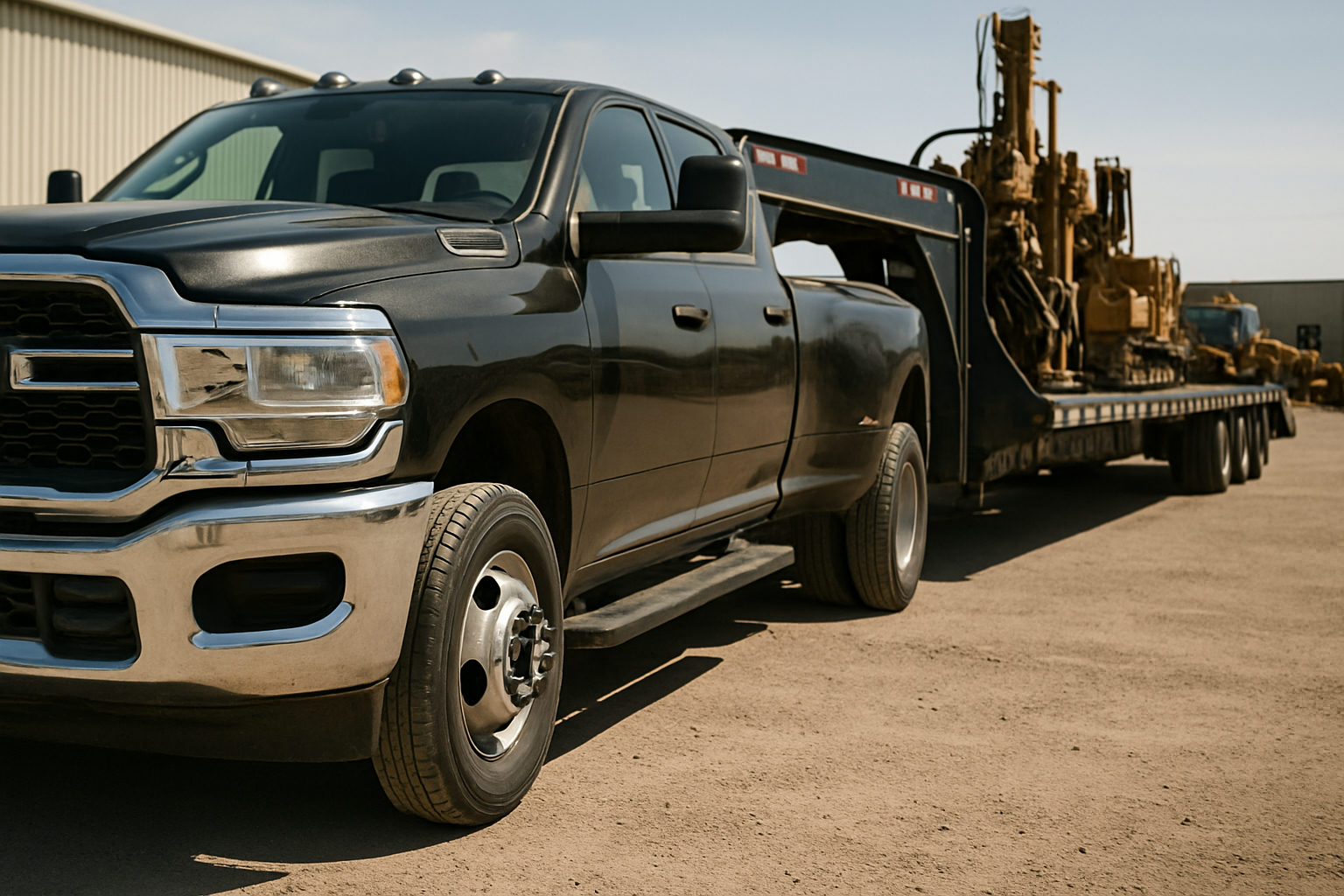
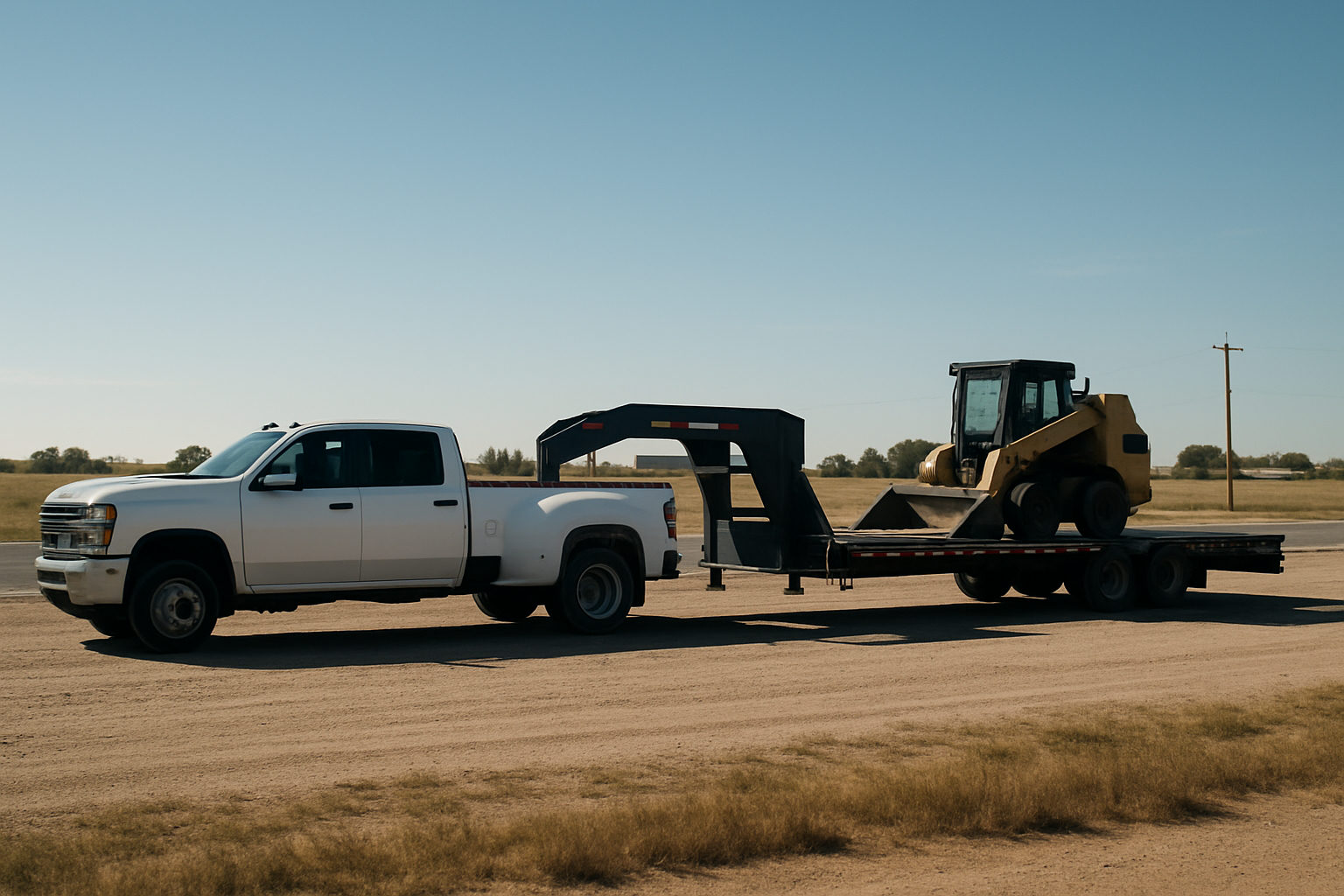
A hotshot hauler moving construction equipment might need a higher cargo limit than a dry van carrier moving groceries, simply because the freight is worth more per load. If you're new to hotshot work specifically, our page on hotshot insurance requirements breaks down what's typical for that segment, including cargo and liability expectations shippers usually ask for.
Do insurance requirements change by state?
The federal liability minimums under 49 CFR Part 387 do not change state to state, but how those rules are enforced, and what intrastate carriers must carry, can differ. If you only run within one state's borders, that state's department of transportation or insurance may set its own thresholds separate from FMCSA's interstate rules.
This is one of the most common points of confusion for small fleets. A company running interstate loads through Georgia, Tennessee, and North Carolina falls under federal rules the whole way. A company running only intrastate loads inside Ohio, for example, needs to check Ohio's specific intrastate requirements, which can differ from the federal interstate floor. We keep state-specific breakdowns for markets we serve, including Ohio, Georgia, and North Carolina, or you can browse our full list of trucking insurance requirements by state to find yours.
How do you prove insurance to FMCSA?
You prove coverage by having your insurance company or broker file the appropriate form directly with FMCSA on your behalf, most commonly a BMC-91 or BMC-91X for liability coverage. You typically cannot self-file this. Your insurer or broker submits it electronically once your policy is bound, and FMCSA will not activate your operating authority without it on file.
This filing has to stay current. If your policy lapses or you switch carriers without a new filing going in first, FMCSA can suspend your authority, and that gap shows up publicly. Typically, your insurer or broker manages this filing as part of binding your policy, so it's worth confirming who is responsible for it before you switch coverage.
What does trucking company insurance typically cost?
Cost varies a lot based on your equipment, driving history, years of authority, and freight type, so there's no single number that applies across the board. Many new-authority owner-operators see first-year primary liability quotes running $12,000 to $18,000 annually, roughly $1,000 to $1,500 per truck per month, often more before adding physical damage or cargo coverage, since underwriters have no safety history or loss data to draw on. This range reflects typical market pricing reported by TruckSmarter as of 2025, and actual quotes will vary by carrier and underwriting factors. Fleets with clean safety scores and years of operating history typically see lower per-truck rates than brand new authorities. For the regulatory backbone behind these figures, FMCSA's own filing requirements page is the most reliable reference point: 49 CFR 387.9. The only way to know your real number is to get quoted, since two trucks with identical equipment can price very differently based on driver history and radius of operation.
| Coverage type | Typical limit | Required by |
|---|---|---|
| Primary liability (general freight) | $750,000 federal floor, $1,000,000 common in practice | FMCSA / shipper contracts |
| Primary liability (oil, some hazmat) | $1,000,000 | FMCSA |
| Primary liability (bulk explosives, poison gas) | $5,000,000 | FMCSA |
| Motor truck cargo | $100,000 common starting point | Broker / shipper contract |
| Physical damage | Actual cash value of truck/trailer | Lienholder, if financed |
| Non-trucking liability | Varies by carrier | Lease agreement, personal use |
Treat the middle column as a starting point for conversation, not a locked number. Your actual required limits depend on your lane, cargo, and who you're contracted with, and you should confirm specifics with FMCSA or your state's department of insurance before assuming a figure applies to you.
Frequently Asked Questions
Continue reading
- Commercial truck insurance
- Compare truck insurance quotes
- Hot Shot Insurance in Abilene TX: Cost and Requirements
- Pickup Truck Insurance Online Quote: What You Need First
- Pickup Truck Insurance: Personal vs Commercial Coverage Guide
- Coverages we offer for owner-operators & fleets
- Common questions about trucking insurance
Ready to compare rates? Get a free trucking insurance quote from carriers built for trucking regulations.
Ready to Get Started?
Get personalized insurance quotes tailored to your business