Online Hot Shot Auto Insurance: How to Get Quotes Fast
Get Your Free Insurance Quote
Compare quotes from top carriers in minutes
Yes, you can shop and often bind hot shot auto insurance online. Most brokers, including us, can pull quotes across multiple carriers from a laptop or phone at the truck stop, and a good number of policies can be issued the same day once your MC number, equipment list, and driving history are in hand. The catch is that hot shot insurance has more moving parts than a personal auto policy, so "online" usually means faster paperwork, not a one click checkout.
This guide walks through what an online hot shot auto insurance quote actually needs, what it typically covers, roughly what it costs, and where you still need a human on the phone before you sign anything.
Can you actually buy hot shot insurance completely online?
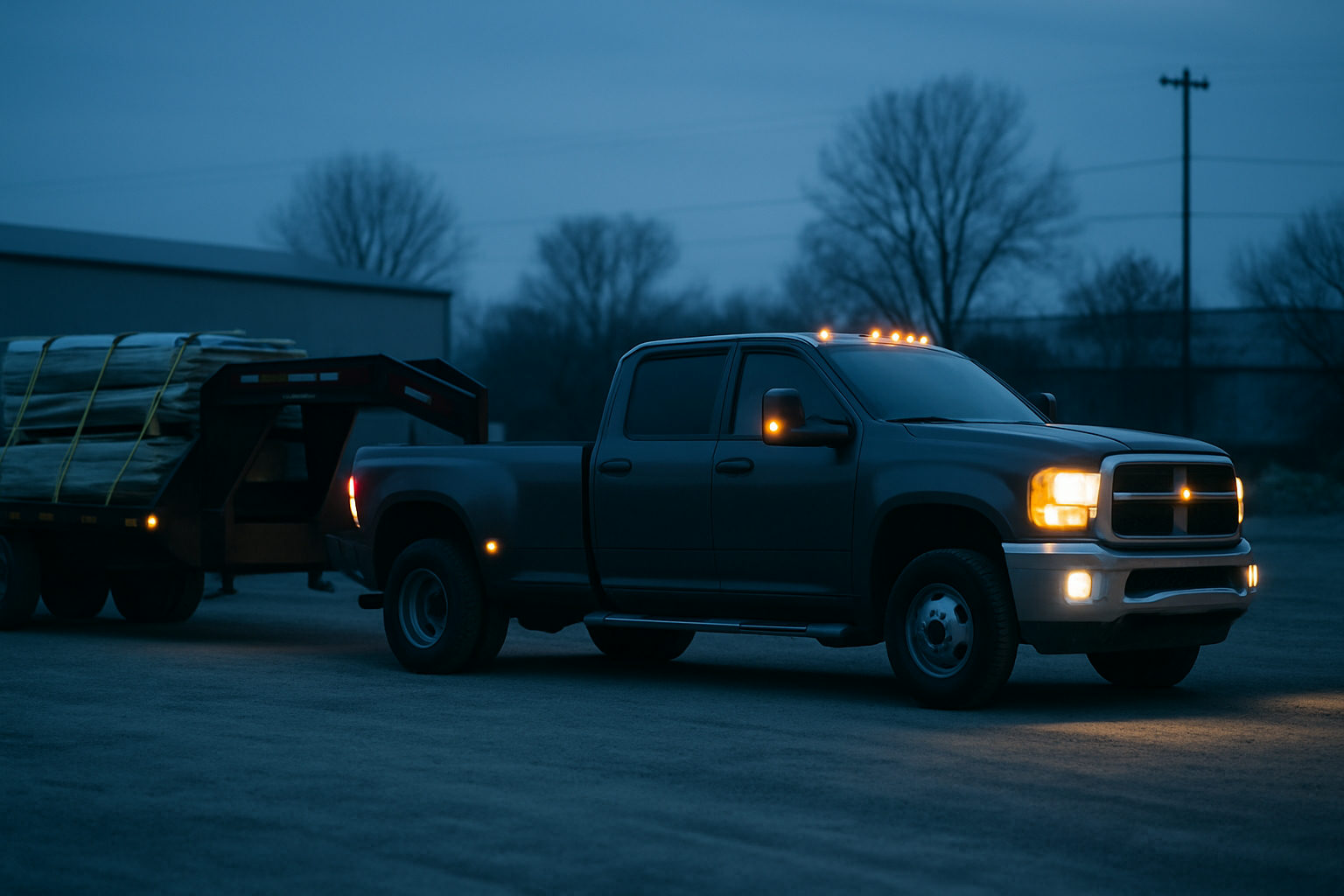
You can get a quote and often a bound policy online, but full self-service checkout is rare for commercial trucking coverage. Hot shot insurance touches your liability limits, cargo coverage, physical damage on the truck and trailer, and sometimes non-trucking liability, and carriers want to see your MC/DOT number, radius of operation, and loss history before they finalize a price. Most online quote tools are really a fast intake form that a broker or carrier underwriter reviews within hours, not minutes. If your setup is straightforward, new authority, one truck, gooseneck trailer, hauling general freight, you can often go from quote request to a certificate of insurance the same business day.
Where it slows down: hazmat endorsements, high value cargo, or a recent at-fault accident. Those usually still get quoted fast, but a carrier may want a quick call to confirm details before binding.
What does hot shot auto insurance actually cover?
Hot shot auto insurance is really a bundle of separate coverages, and which ones you need depends on your operation. The core piece is primary liability, which under federal rules must meet at least $750,000 for general freight over 10,001 lbs GVWR moving interstate, though in practice most shippers and brokers you'll actually work with require $1,000,000. That minimum comes straight from 49 CFR 387.9, and it's worth confirming current requirements with FMCSA or your state department of insurance before you assume a number.
If you're hauling oil or other petroleum products, federal rules bump the minimum up to $1,000,000, and loads involving explosives, poison gas, or bulk hazardous substances require $5,000,000 in liability coverage under the same regulation. If any part of your freight mix touches hazmat, it's worth reviewing the hot shot insurance requirements page before you request quotes, since those limits change what carriers will even consider writing.
Beyond liability, most hot shot operators end up carrying:
- Motor truck cargo, to cover the freight you're pulling if it's damaged or lost
- Physical damage, for your truck and trailer if they're wrecked, stolen, or vandalized
- Non-trucking liability, which covers you when you're driving the truck but not under dispatch
- General liability, often required by shippers or brokers for basic third party claims off the road
If you're new to the space, our hot shot truck insurance overview breaks down each of these in plain language, and the hot shot insurance requirements page lists out exactly what most carriers and brokers ask for before they'll quote you.
What does online hot shot auto insurance cost?
Cost depends heavily on your equipment, radius, experience, and whether you're new authority or established. As one data point among several, a one truck hot shot operation running a pickup and gooseneck or flatbed trailer with clean history often sees combined commercial auto and liability premiums in the $7,000 to $12,000 annual range, with an average closer to $10,000 to $10,800 per year, according to pricing published by InsuranceHub as of publication. New authority carriers often pay more until they build a safety record. These numbers move a lot by state, cargo type, and carrier appetite, so treat any figure here as a starting point rather than a quote, and pull your own numbers from a broker or a first-party quote before you budget around any single published estimate. The table below breaks out the same range by the factors that tend to move it most.
| Factor | Lower cost end | Higher cost end | Rough annual premium band |
|---|---|---|---|
| Authority age | Established, 2+ years | New authority, under 12 months | $6,000-$8,500 vs $9,000-$13,000 |
| Cargo type | General dry freight | Hazmat, high value, or oversize loads | $7,000-$9,000 vs $10,000-$15,000+ |
| Driving record | Clean CSA and MVR | Recent accidents or violations | $7,000-$9,500 vs $11,000-$16,000 |
| Radius of operation | Regional, under 500 miles | Long haul, coast to coast | $7,500-$9,500 vs $9,500-$12,500 |
| Liability limit | $750,000 | $1,000,000 or higher | $7,000-$9,000 vs $8,500-$11,000 |
These bands are rough, directional ranges meant to help you sanity check a quote, not a substitute for one. For a deeper breakdown by equipment type and coverage combination, check the hot shot insurance cost page. If you want a general sense of pricing across trucking as a whole before you narrow down to hot shot specifically, the cheap truck insurance guide is a useful starting point too.
What information do you need before you request an online quote?
Have your MC/DOT number, VIN, and a rough cargo description ready before you start, since that's what slows down most online quote requests. Specifically, most carriers and brokers will ask for:
- Your MC and DOT numbers, or confirmation you're applying for new authority
- VIN and year/make/model for the truck and trailer
- Typical cargo hauled and average load value
- Radius of operation, regional versus long haul
- Years of commercial driving experience and any accidents or violations in the last three to five years
- Desired liability limit, usually $750,000 or $1,000,000
If you're filing for new authority, you'll also need to understand BMC-91 filings. A BMC-91 is the insurance filing that your carrier or broker submits to FMCSA on your behalf, proving you carry the required liability coverage, and it's what activates your operating authority once it's on file. A broker can typically handle this filing for you once your policy is in place, which saves a step most owner-operators don't want to figure out on their own on a deadline.
Is hot shot auto insurance different by state?
Federal minimum liability limits are the same everywhere under 49 CFR Part 387, but state rules on intrastate operations, filing requirements, and some carrier availability do vary. In the states we serve, we've built out state-specific pages that cover the local details, for example Georgia trucking insurance, Texas trucking insurance, or Florida trucking insurance. If your state isn't on that list, ask directly when you request a quote, since coverage availability and pricing both shift by state even when federal minimums don't.
Frequently Asked Questions
Continue reading
- Hotshot truck insurance
- Compare truck insurance quotes
- Flatbed Truck Insurance Massachusetts: What It Costs
- Autonomous Truck Insurance Costs After the Beacon Rule: A Cost Drivers Guide
- Autonomous Truck Warning Beacon Insurance Liability
- Coverages we offer for owner-operators & fleets
- Common questions about trucking insurance
Ready to compare rates? Get a free trucking insurance quote from carriers built for insurance tips.
Ready to Get Started?
Get personalized insurance quotes tailored to your business