Trucking Insurance in Scranton PA: Rates and Requirements
Get Your Free Insurance Quote
Compare quotes from top carriers in minutes
If you run trucks out of Scranton or the Lackawanna County area, your insurance cost comes down to a few things: the federal liability minimums, what you haul, your driving record, and local risk factors like I-81 corridor traffic and Pocono winter weather. There is no special "Scranton rate," but your ZIP code, garaging location, and typical routes all factor into what a carrier quotes you. Below is what actually moves the number, plus the coverage types most owner-operators and small fleets based in Scranton need to carry.
Trucker Path Insurance is a brokerage, not a carrier. We compare quotes across multiple carriers for owner-operators and small fleets in the states we serve, and we handle FMCSA filings like the BMC-91 for customers who need them. If you want the full breakdown of state-level rules, see our Pennsylvania trucking insurance requirements page.
How much does trucking insurance cost in Scranton PA?
There is no single published rate for Scranton specifically, and any number you see online for "average trucking insurance cost" is a national estimate, not a local one. Your actual premium depends on your equipment type, radius of operation, years of experience, claims history, and the carriers willing to write business in your area. A new-authority owner-operator hauling dry van freight regionally out of Lackawanna County will pay a different rate than a hazmat tanker running long haul, even if both are based two miles apart.
What we can tell you is what drives the price up or down: freight type, driving record, time in business, equipment value, and whether you are new authority or established. New authority carriers (under about 12 to 24 months of MC number history) almost always see higher quotes because underwriters have less data to work with. If you are shopping quotes, get at least two or three so you can see the range for your specific setup rather than relying on a generic average.
What liability coverage does a Scranton trucker legally need?
Federal law sets the floor: $750,000 in public liability for most interstate general freight haulers at 10,001 lbs GVWR or more, and most shippers and brokers will not tender a load unless you carry $1,000,000. These limits come from 49 CFR Part 387 and apply the same way in Pennsylvania as anywhere else in the country. You can read the exact language at fmcsa.dot.gov.
If you haul oil or many hazardous materials, the federal floor jumps to $1,000,000. Explosives, poison gas, and bulk hazardous substances require $5,000,000. Pennsylvania does not lower these interstate minimums, though intrastate-only carriers may have separate state rules layered on top. Confirm your specific requirement with FMCSA or the Pennsylvania Department of Insurance before you bind a policy, since your operating authority and commodity type both matter here. If you run flatbed equipment specifically, our flatbed truck insurance page covers how commodity and load type affect your coverage needs.
| Freight type | Federal minimum liability | Typical shipper requirement |
|---|---|---|
| General freight, non-hazardous | $750,000 | $1,000,000 |
| Oil and many hazardous materials | $1,000,000 | $1,000,000+ |
| Explosives, poison gas, bulk hazardous substances | $5,000,000 | $5,000,000 |
What other coverage should Scranton owner-operators carry beyond liability?
Most Scranton-based owner-operators need motor truck cargo and physical damage on top of primary liability, and leased operators typically need non-trucking liability too. Liability alone protects other people and property if you cause an accident. It does not pay to fix your truck or replace freight you are hauling if something goes wrong.
- Motor truck cargo covers the freight in your trailer. Most shippers require this before they will book you, often in a range around $100,000 as a typical contract requirement, though limits vary by commodity and contract, so confirm the number your specific shipper or broker requires.
- Physical damage covers your truck and trailer for collision, fire, theft, and weather. Given how rough Pennsylvania winters can be on equipment through the Pocono corridor, this one matters more here than in milder climates.
- Non-trucking liability (NTL) covers you when you are using the truck for personal reasons, not under dispatch. Leased owner-operators almost always need this since the carrier's policy usually only covers you while on a load.
- Trailer interchange matters if you pull trailers you do not own, common in drayage and intermodal work near the I-81/I-84 interchange corridor.
- General liability covers non-trucking business exposures, like a slip-and-fall at your yard or office.
- Occupational accident is an alternative to workers comp for independent contractors who are not required to carry traditional workers comp coverage.
If you are still sorting out which of these you actually need for your operation, our trucking insurance tips page walks through each coverage type in plain language.
Does the equipment I run change my Scranton insurance rate?
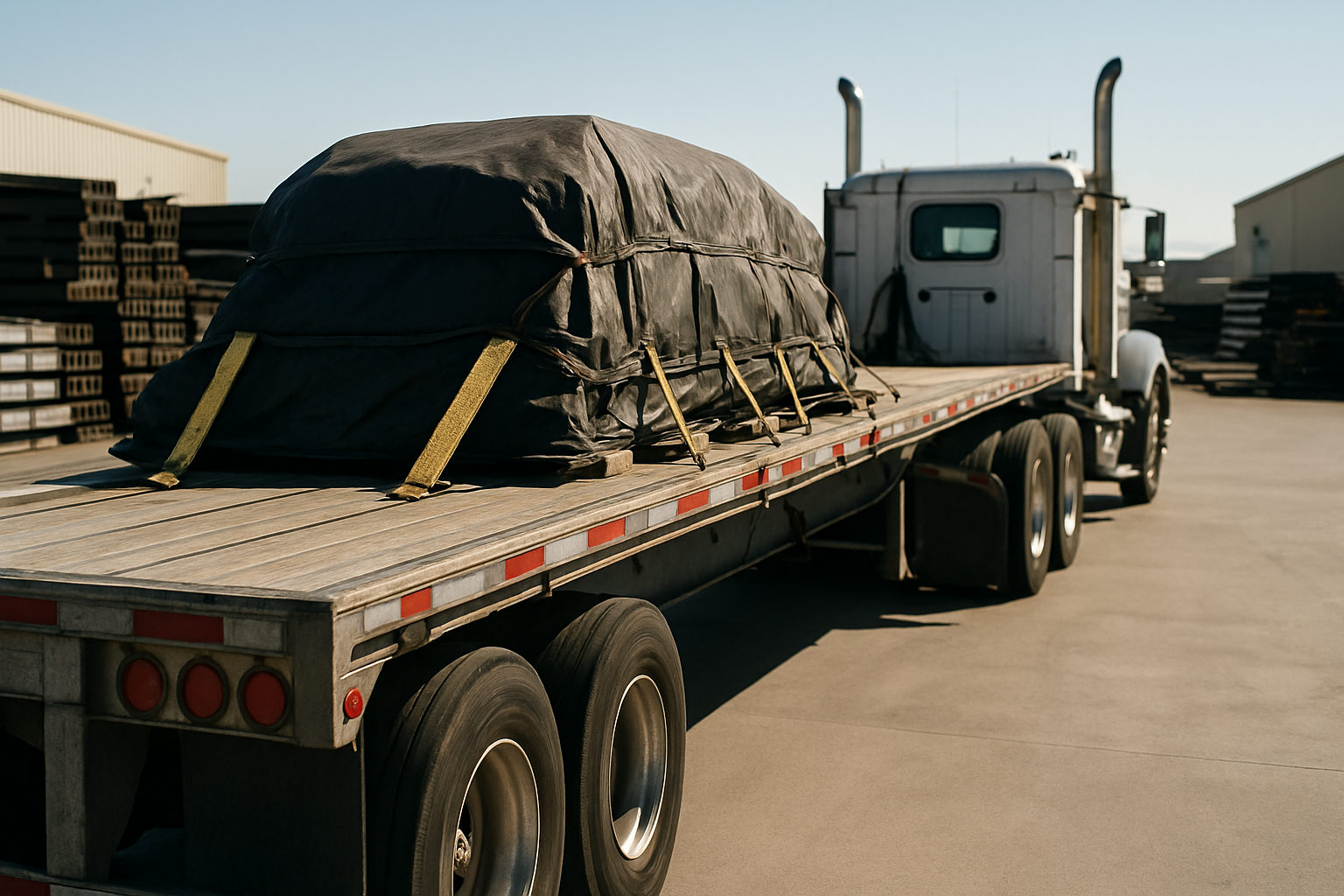
Yes, equipment type is one of the biggest rate factors, often bigger than location. A flatbed hauling steel coils carries different cargo and liability exposure than a dry van running produce, and a tanker hauling hazmat sits in a different risk tier entirely. As a rough sense of scale, flatbed operations often see premiums run somewhere in the range of 15 to 25 percent higher than a comparable dry van setup, largely because of tie-down cargo exposure and the value of specialized freight like steel or machinery. Reefer units add mechanical breakdown exposure on the physical damage side because a failed reefer unit can spoil an entire load, which can push reefer premiums above dry van by a smaller but still noticeable margin. Tow trucks and dump trucks that operate mostly intrastate around Scranton may qualify for different rating than long-haul interstate equipment, since their radius and use case usually carry lower mileage exposure.
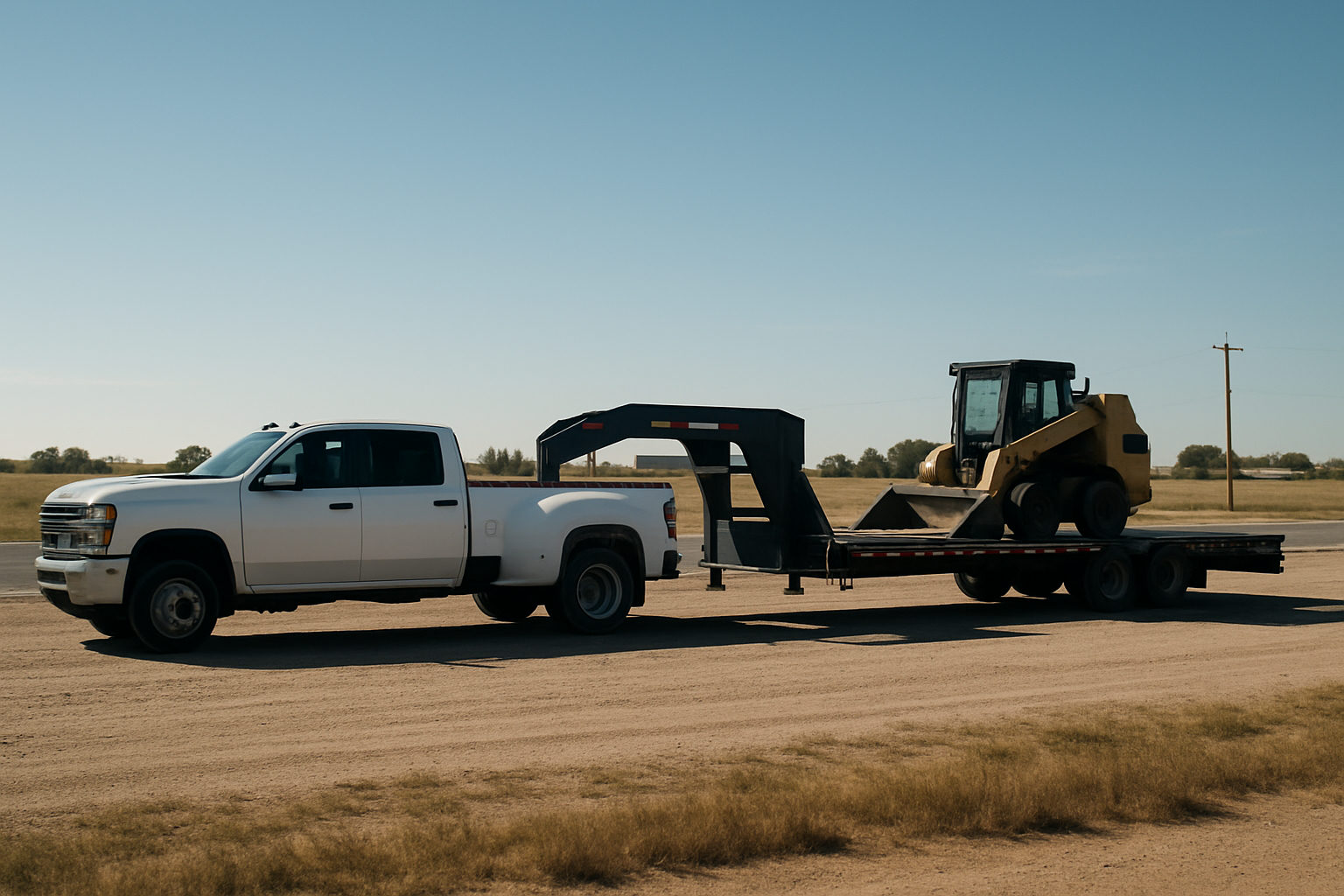
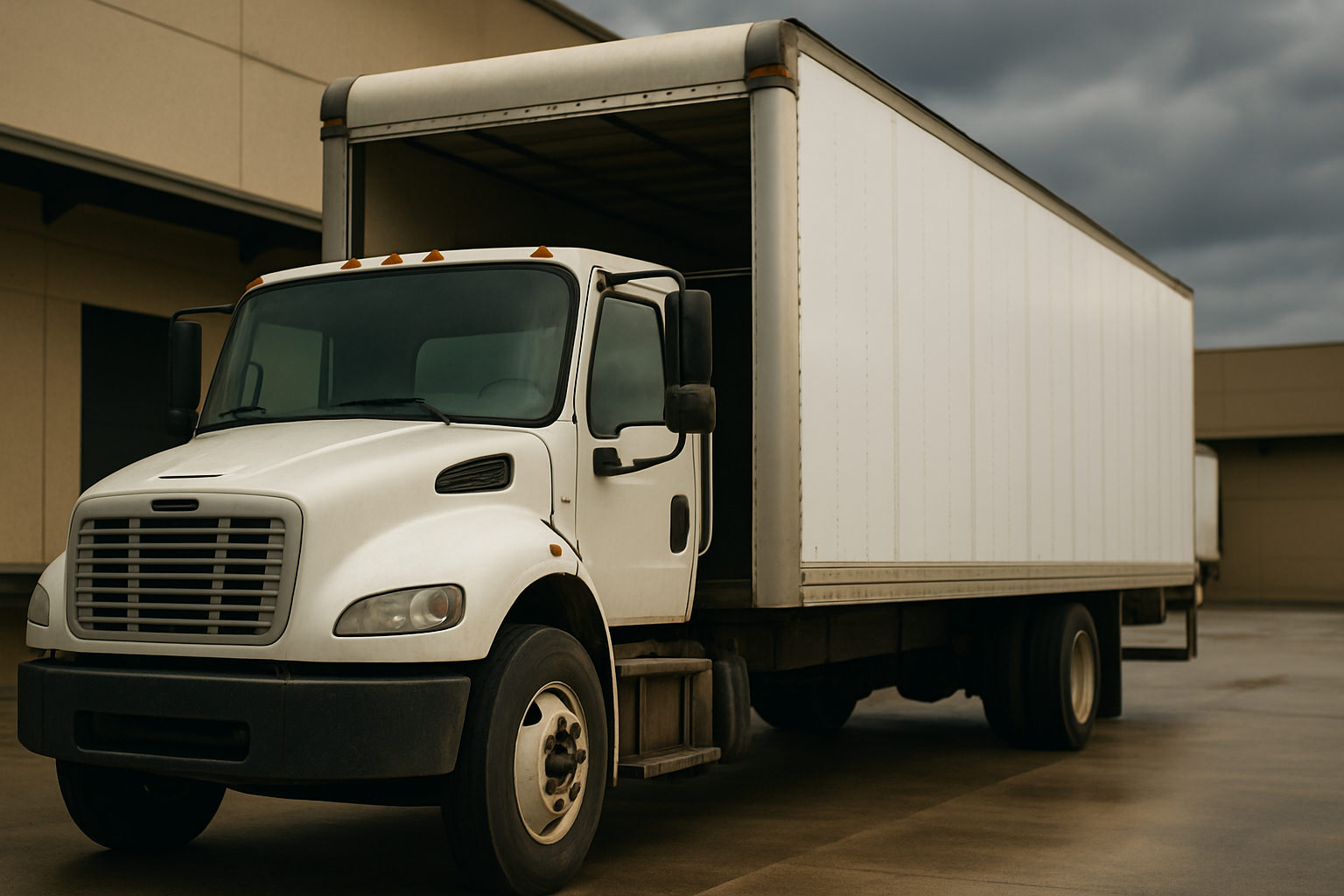
We quote coverage for hotshot, reefer, flatbed, tanker/hazmat, car hauler, box truck, dump truck, semi, tow truck, and dry van operations, plus motor truck cargo across those equipment types. If you run a mixed fleet, expect your quote to reflect a blended rate across your equipment mix rather than one flat number. For a closer look at a specific class, our reefer truck insurance page breaks down what drives cost for temperature-controlled freight.
Why do rates vary between carriers for the same Scranton risk?
Different insurance carriers weigh the same risk factors differently, which is why two quotes for the identical truck and driver can come back with a real spread between them. One underwriter might weight your years of authority heavily; another might care more about your MVR or your loss history. Some carriers are simply more competitive in the Northeast corridor than others right now, and that shifts month to month based on their book of business.
This is the core reason to shop multiple carriers rather than accepting the first quote you get. As a broker, we run your information across several carriers at once so you can compare real numbers side by side instead of guessing whether the first quote you received is competitive.
Frequently Asked Questions
Continue reading
- Commercial truck insurance
- Compare truck insurance quotes
- Pickup Truck Insurance Online Quote: What You Need First
- Pickup Truck Insurance: Personal vs Commercial Coverage Guide
- Commercial Auto Fleet Insurance Illinois: What It Costs
- Coverages we offer for owner-operators & fleets
- Common questions about trucking insurance
Ready to compare rates? Get a free trucking insurance quote from carriers built for insurance tips.
Ready to Get Started?
Get personalized insurance quotes tailored to your business