Cargo Insurance Rates: What Truckers Actually Pay
Get Your Free Insurance Quote
Compare quotes from top carriers in minutes
Cargo insurance rates for trucking typically run from a few hundred dollars a year for a small owner-operator hauling dry van freight with a $100,000 limit, up to several thousand dollars a year for high-value or hazmat loads with higher limits. The exact number depends on your commodity, your limit, your claims history, and which carrier is willing to write your risk. There is no single national rate sheet, so the honest answer is a range, not a price tag.
This post breaks down what actually moves the needle on motor truck cargo pricing, how it compares to your primary liability cost, and what you can control before you ever call for a quote.
What is a typical cargo insurance rate right now?
As of this writing (August 2026), industry pricing pages and broker quote data we have reviewed suggest motor truck cargo premiums for a $100,000 limit often fall somewhere between a few hundred dollars and just over a thousand dollars a year for a single dry van or reefer truck with a clean record. This is a general market observation pulled from public pricing pages and aggregated quote conversations, not a single authoritative rate table, so treat it as a starting point for your own comparison. That range widens fast once you add higher limits, hazmat, refrigerated breakdown coverage, or a spotty safety score. We cover this in more depth in our post on what a $100,000 cargo insurance policy actually costs, which walks through real quote ranges by equipment type.
Cargo rates are usually quoted separately from your primary liability policy, and in our experience they are often priced per $100 of coverage rather than as a flat fee, which is why a $250,000 limit does not typically cost 2.5 times what a $100,000 limit costs. Insurers generally price the marginal risk, and the top layers of coverage are often cheaper per dollar than the first layer.
Three example scenarios: what different truckers might see
These are illustrative examples built from the kind of quote ranges we typically see, not quotes from a specific insurer. Actual pricing always depends on underwriting.
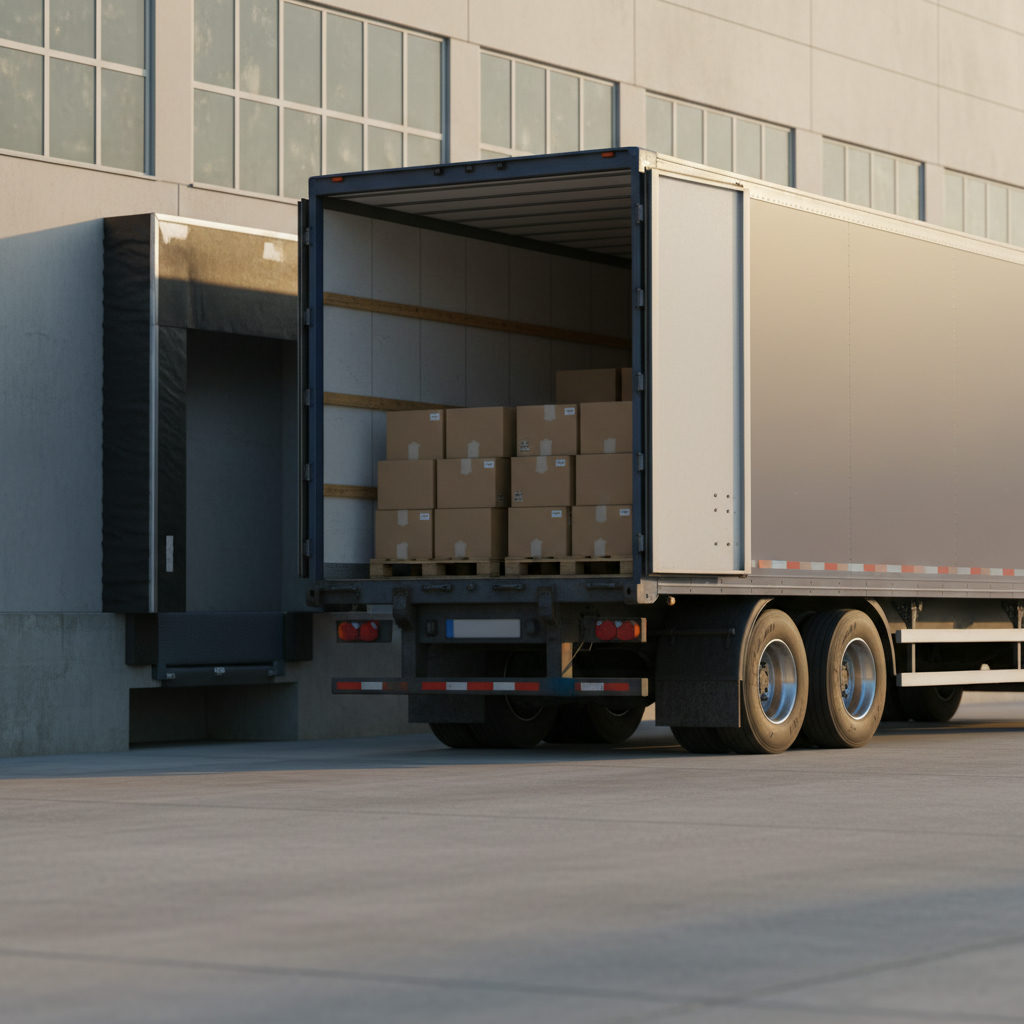
- Owner-operator, dry van, $100,000 limit, clean five-year loss run. This is the lowest-risk profile in cargo underwriting. Quotes we have seen for this setup tend to land toward the lower end of the typical annual range, since dry van freight carries less theft and spoilage exposure than most other commodity types.
- Reefer unit, produce and packaged foods, $150,000 limit, one small claim in the past three years. Add breakdown and spoilage exposure plus a claim on the loss run, and pricing typically moves up from the dry van baseline, sometimes noticeably, depending on how the carrier weighs claim frequency versus severity.
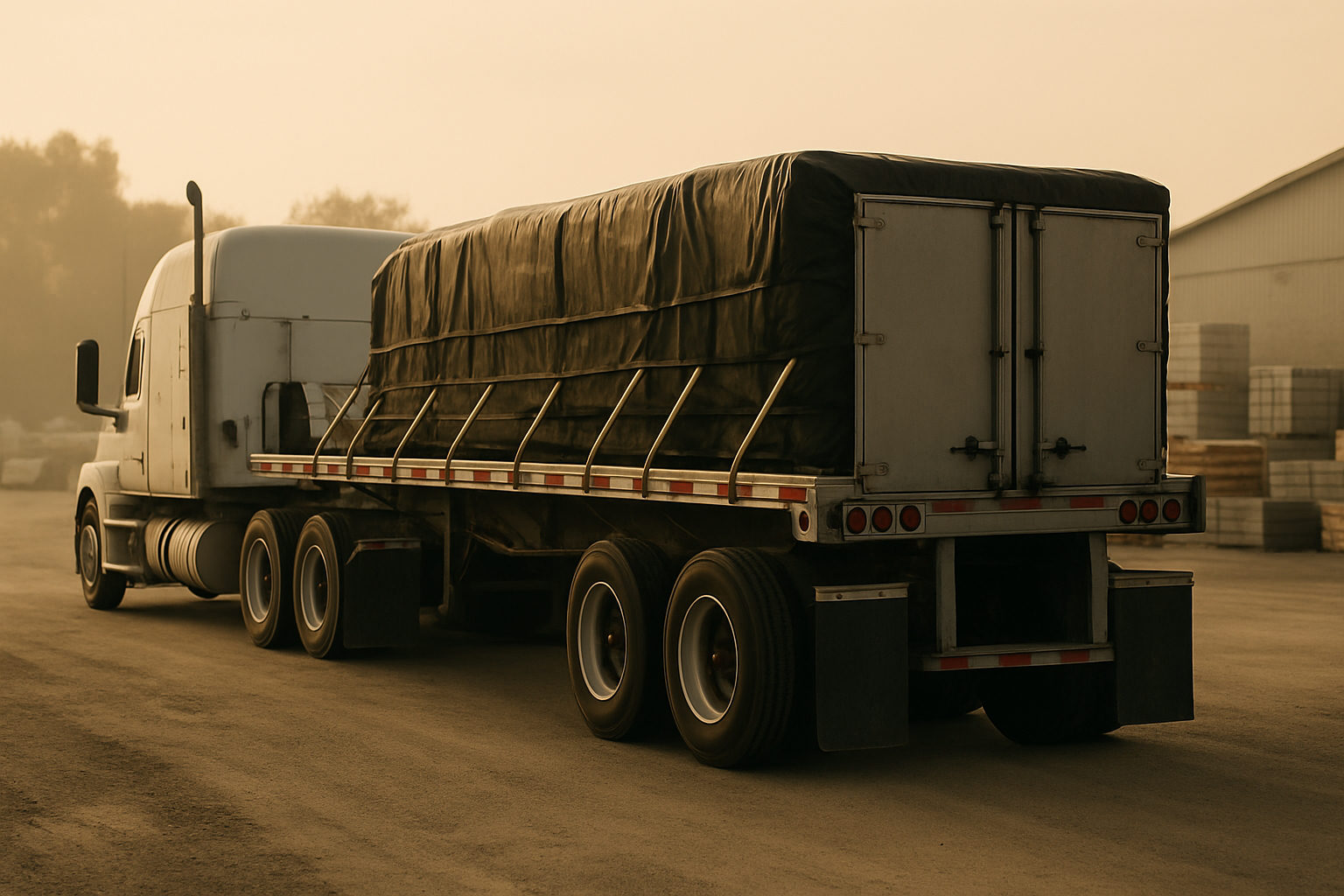
- New authority flatbed hauling steel, $250,000 limit, less than one year in business. High-value freight and limited operating history stack together here. This profile often sees the highest quotes of the three, and shopping multiple carriers tends to matter most for risks like this one.
Why do cargo insurance rates vary so much between truckers?
Rates vary because underwriters price the specific risk of your freight, not a generic trucking category. A few factors carry the most weight:
- Commodity hauled. Electronics, alcohol, copper, and pharmaceuticals attract theft and are priced higher than lumber or produce.
- Coverage limit requested. Shippers and brokers often require $100,000 as a baseline, but high-value freight brokers may ask for $250,000 or more.
- Radius and lanes. Long-haul, urban delivery, and overnight parking in high-theft areas all push rates up.
- Claims history. A clean five-year loss run is one of the biggest discounts you can bring to the table.
- Equipment type. Reefer units carry breakdown and spoilage exposure that dry van does not, which shows up in the quote.
- New authority. Carriers with less than a year or two of operating history often see higher rates until they build a track record.
If you run mixed equipment, whether flatbed, tanker, reefer, or dry van, the underwriting questions differ enough that it is worth comparing quotes built around your specific setup rather than a one-size number. Our truck insurance by vehicle type page breaks down how pricing differs across hotshot, box truck, dump truck, car hauler, and semi operations.
Typical cargo premium ranges by freight type
The table below reflects general patterns we see across pricing pages and broker conversations as of this writing. Use it as a rough comparison, not a quote, since your actual number depends on your specific carrier, limit, and loss history.
| Freight type | Relative risk level | General pricing pattern |
|---|---|---|
| Dry van, standard freight | Lower | Tends to sit at the lower end of typical cargo pricing |
| Reefer, food and produce | Moderate | Usually priced above dry van due to breakdown and spoilage exposure |
| Flatbed, building materials | Moderate | Pricing depends heavily on load securement history and claims |
| High-value freight (electronics, alcohol, pharmaceuticals) | Higher | Often priced well above standard dry van due to theft exposure |
| Hazmat | Highest | Combines higher cargo pricing with FMCSA-mandated higher liability limits |
How does cargo insurance differ from primary liability?
Cargo insurance protects the freight you are hauling, while primary liability protects other people and property if you cause an accident. They are separate policies with separate limits, and most shippers require both before they will tender a load.
Under 49 CFR Part 387, interstate motor carriers hauling general non-hazardous freight at a GVWR of 10,001 pounds or more must carry a minimum of $750,000 in public liability coverage. In practice, most brokers and shippers now require $1,000,000, so treat that as the working standard. Hazmat and oil commodities require $1,000,000, and bulk explosives, poison gas, and hazardous substances require $5,000,000. You can read the full text of the rule at fmcsa.dot.gov or ecfr.gov. Cargo insurance is not federally mandated the same way, but almost every shipper and broker will not tender freight without it, so in practice it functions as a business requirement even where it is not a legal one. Confirm current limits with FMCSA or your state department of insurance before you rely on any figure here.
These federal minimums are the floor everywhere freight crosses state lines, but they are not the whole picture. Several states layer their own intrastate cargo and liability rules on top of the federal framework, particularly for freight that never leaves the state. If you run intrastate lanes in states like Texas, Florida, or Georgia, it is worth checking your state department of transportation or insurance rules separately, since intrastate minimums can differ from the federal interstate standard. Our trucking insurance by state page has more detail on how requirements shift depending on where you operate.
| Coverage type | Typical limit | Who requires it |
|---|---|---|
| Primary liability (general freight) | $750,000 federal minimum, $1,000,000 market standard | FMCSA, most brokers and shippers |
| Primary liability (oil, most hazmat) | $1,000,000 | FMCSA |
| Primary liability (bulk explosives, poison gas) | $5,000,000 | FMCSA |
| Motor truck cargo | $100,000 common baseline, higher for high-value freight | Shippers and brokers, not federally mandated |
What can you do to lower your cargo insurance rate?
The fastest lever is shopping the quote across multiple carriers, since cargo appetite and pricing swing more between insurers than liability pricing does. A broker who works with several carriers can place your specific commodity and lane profile with the insurer that prices it best, rather than you calling one company and taking whatever number comes back.
Beyond shopping around, a few things reliably help:
- Keep a clean claims history and report small losses carefully, since frequency matters as much as severity.
- Match your limit to what you actually haul instead of buying more than shippers require.
- Install basic security measures like GPS tracking and door alarms if you haul higher-theft commodities.
- Bundle cargo with your primary liability and physical damage through one broker relationship to simplify renewals and sometimes improve pricing.
Our trucking insurance tips page has more on renewal timing and how to present a stronger risk profile to underwriters.
Frequently Asked Questions
Continue reading
- Commercial truck insurance
- Compare truck insurance quotes
- New Kensington PA Commercial Truck Insurance Coverage
- Hot Shot Insurance in Abilene TX: Cost and Requirements
- DOT Blitz Week 2026: Dates and What It Costs
- Coverages we offer for owner-operators & fleets
- Common questions about trucking insurance
Ready to compare rates? Get a free trucking insurance quote from carriers built for insurance tips.
Ready to Get Started?
Get personalized insurance quotes tailored to your business