Farm Truck Auto Policy: What It Covers and Who Needs One
Get Your Free Insurance Quote
Compare quotes from top carriers in minutes
A farm truck auto policy is coverage built for vehicles used mainly to haul your own crops, livestock, feed, or equipment between your farm and local markets, not for hire and not for long-haul commercial freight. It usually costs less than a full commercial trucking policy because the truck sees lighter use, shorter trips, and no for-hire cargo. But if you haul for other farmers, cross state lines regularly, or gross over certain weight thresholds, a personal or farm auto policy may not legally cover you, and that gap only shows up after a claim gets denied.
This post walks through what a farm truck auto policy actually insures, how it differs from a personal policy and a commercial one, who legitimately qualifies, what it tends to cost, and where the line sits between "farm use" and "you need real trucking insurance."
What does a farm truck auto policy actually cover?
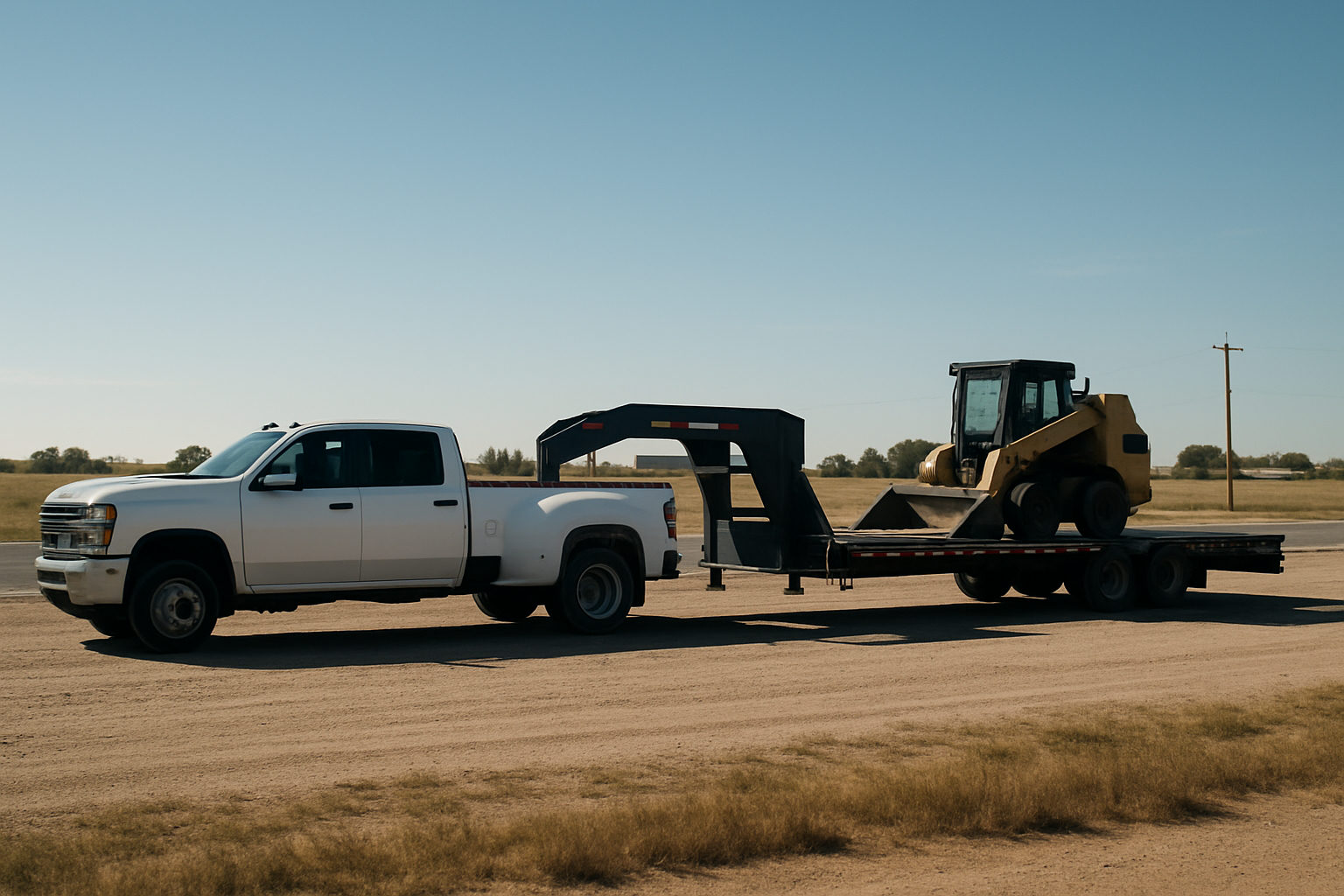
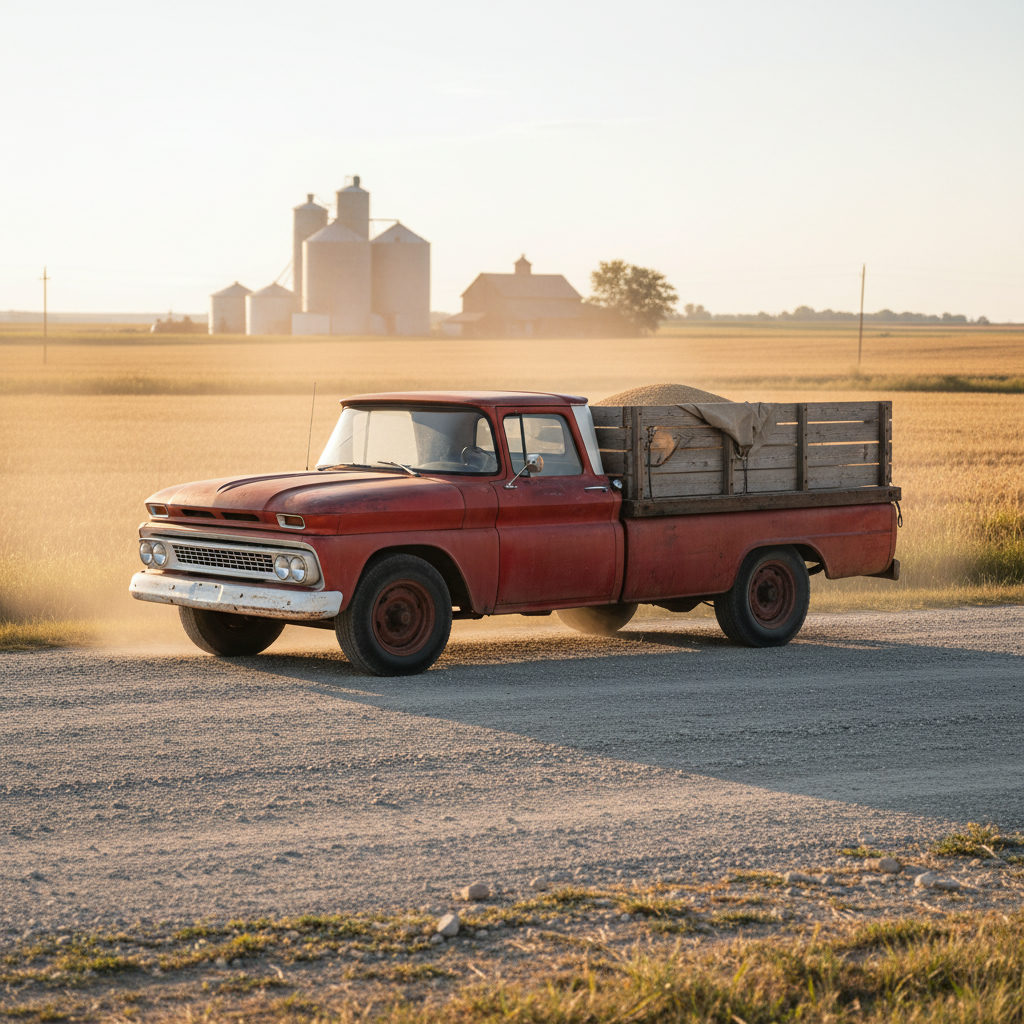
It covers liability, physical damage, and sometimes cargo for a truck used primarily on the farm operation itself: hauling grain to the elevator, moving cattle to a local sale barn, running equipment between fields, or picking up feed and supplies. Most farm truck policies are written as an endorsement on a farm and ranch policy or as a standalone farm auto form, not a standard personal auto policy and not a commercial trucking policy.
Typical coverage includes:
- Liability for bodily injury and property damage caused by the truck
- Physical damage (collision and comprehensive) on the truck itself
- Limited cargo coverage for the farmer's own goods, often with a lower limit than a true motor truck cargo policy
- Coverage for occasional use hauling for a neighbor, though this varies a lot by insurer and state
What it usually does not cover: hauling freight for other businesses for pay, regular interstate runs, or anything that starts to look like a trucking operation rather than a farm operation.
How is a farm truck auto policy different from a commercial truck policy?
The short answer: a farm truck auto policy assumes limited, local use tied to your own farm, while a commercial policy assumes the truck is a working asset hauling freight for revenue, often across state lines. Insurers price and structure the two very differently.
Federal rules matter here too. Under 49 CFR 390.39, certain "covered farm vehicles" get exemptions from parts of the Federal Motor Carrier Safety Regulations, including CDL and hours of service rules in many cases, but the exemption has real limits. It generally applies to vehicles operated by the farm owner or a family member or employee, used to transport agricultural commodities, supplies, or equipment. Covered farm vehicles get a federally uniform mileage radius under 49 CFR 390.39: they may operate anywhere within the state of registration, or across state lines within 150 air miles of the home farm or ranch. It's the separate CDL exemption for farm vehicle drivers, not the mileage radius, that is state-optional, since a state may choose to exempt farm vehicle operators from its own CDL requirements. Keep in mind that how this exemption applies in practice can still vary by vehicle weight class and by how fully a given state has adopted the federal framework into its own rules, so the 150-mile figure is a starting point, not a guarantee for every truck. See eCFR, 49 CFR 390.39 (Exemptions for 'covered farm vehicles'), current as of May 2024.
You can read the actual regulation text at eCFR's section on covered farm vehicles: 49 CFR § 390.39, found at www.ecfr.gov/current/title-49/subtitle-B/chapter-III/subchapter-B/part-390/subpart-B/section-390.39 (the exemption is codified in Subpart B of Part 390, not Subpart C). It's worth confirming current status with FMCSA at fmcsa.dot.gov or your state DOT before you assume you're exempt.
Once you cross into hauling for other people, running regular interstate lanes, or operating a truck that's really functioning as a commercial rig, most insurers and regulators expect a commercial motor carrier policy, not a farm auto endorsement. That's also when FMCSA's federal minimum liability rules kick in, generally $750,000 for non-hazardous interstate freight over 10,001 lbs GVWR, though in practice most shippers and brokers require $1,000,000 in coverage. You can review the underlying requirement directly at fmcsa.dot.gov. Always confirm current requirements with FMCSA or your state department of insurance, since farm exemptions and thresholds can shift.
Who actually qualifies for a farm truck auto policy?
You generally qualify if the truck's primary job is supporting your own farm operation, not generating freight-hauling income for other parties. Insurers look at how the truck is actually used, not just what you call it.
Common qualifying scenarios:
- Hauling your own grain, hay, or livestock to a local elevator, mill, or sale barn
- Moving farm equipment, feed, or supplies between fields or storage sites
- Occasional short trips within a limited radius of the farm
- Vehicle registered and titled to the farm owner or family operation
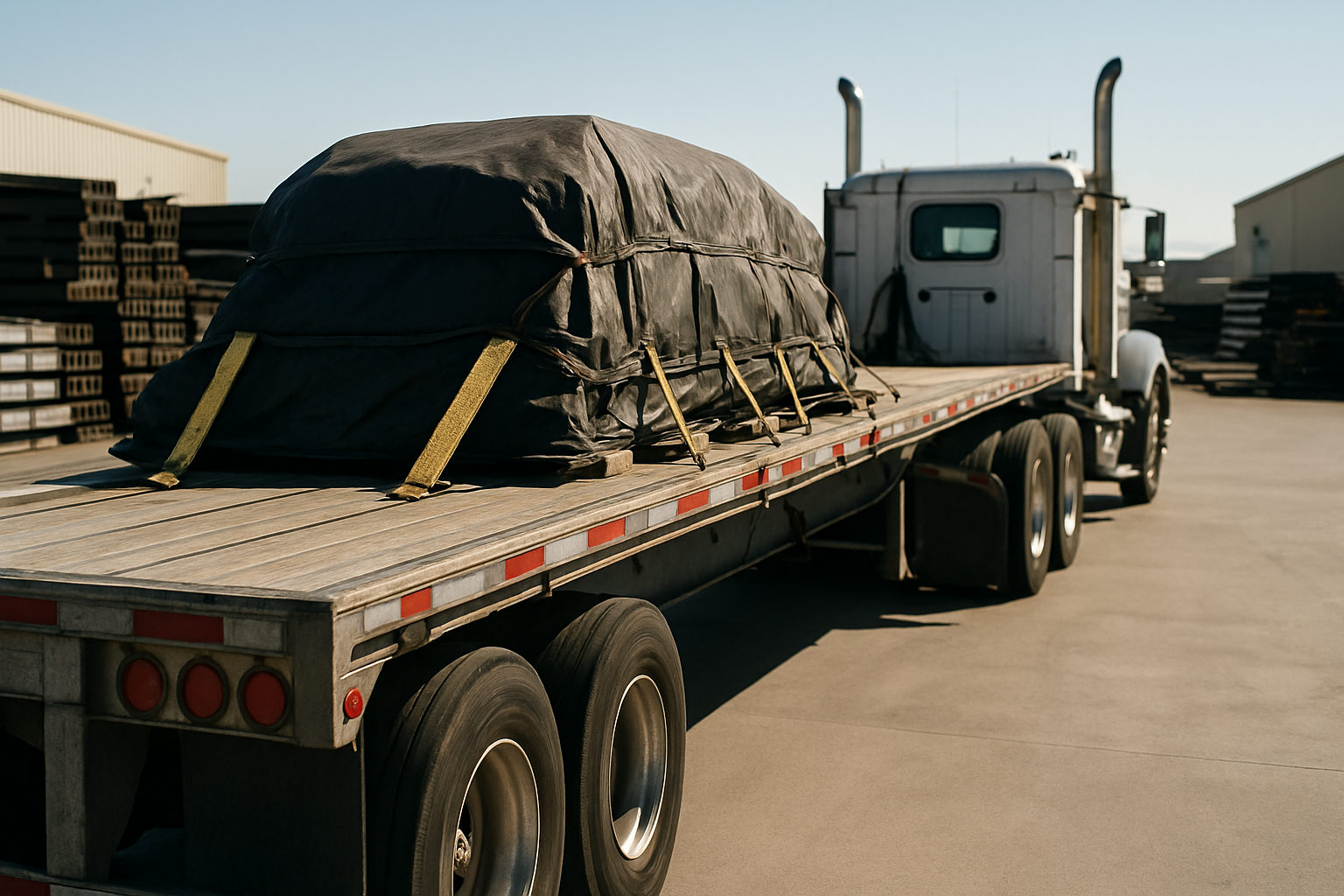
Scenarios that usually push you out of farm truck territory and into commercial insurance include hauling crops or livestock for other farmers for pay, running regular routes for a co-op or trucking broker, or operating a dedicated dump truck, flatbed, or reefer setup used for general freight rather than just farm goods.
If any of that sounds like your operation, it's worth reading through what changes when you move from farm use into commercial coverage, including cargo limits and liability requirements, in our breakdown of farm truck insurance and commercial coverage.
A quick worked example: say you farm in Iowa and occasionally haul a neighbor's corn to the same elevator you use, for a small fee. Even though the mileage is short and the truck otherwise stays on farm duty, that paid haul for someone else's crop is exactly the kind of use most farm auto endorsements exclude. If that becomes a regular arrangement rather than a one-time favor, it's worth looking at a policy built for actual commercial hauling, like the options covered on our Iowa commercial trucking insurance page, rather than stretching a farm endorsement past what it's meant to cover.
How much does a farm truck auto policy cost compared to commercial coverage?
Pricing for both farm truck endorsements and commercial trucking policies varies too much by state, carrier, driving record, and truck value to state a single reliable dollar figure. A farm truck auto policy is generally the cheaper option because it assumes lower mileage, local use, and no for-hire cargo risk, while a commercial primary liability policy on a similar truck used for regular hauling typically costs more because it carries higher liability limits and covers for-hire risk. Rather than quote a specific number that won't match your situation, the more useful step is to compare actual quotes side by side at Trucker Path Insurance's truck insurance quotes page.
A few factors consistently move the price in either direction, regardless of which type of policy you're comparing:
- Annual mileage and radius of operation, since farm use with a short local radius costs less to insure than regular long hauls
- Driving record and years of experience, which affects both farm and commercial rates
- Truck age, value, and whether it's a dedicated single-purpose farm vehicle or a rig set up for general freight
- Whether cargo coverage is limited to the farmer's own goods or needs to cover freight for others
- State-specific minimums and how your state has adopted the covered farm vehicle exemptions under 49 CFR 390.39
| Feature | Personal Auto | Farm Truck Policy | Commercial Truck Policy |
|---|---|---|---|
| Typical use | Personal driving only | Farm operation, local hauling | For-hire freight, any distance |
| Liability minimums | State minimum, often low | Varies, often modest | Federal minimum $750,000 to $1,000,000 for most interstate freight |
| Cargo coverage | None | Limited, own goods only | Full motor truck cargo available |
| Hauling for pay | Not covered | Rarely covered | Core purpose of the policy |
| Interstate hauling | Not designed for it | 150 air-mile radius or in-state, per 49 CFR 390.39 | Designed for regular interstate use |
| Relative cost tier | Lowest | Low to moderate, use-dependent | Higher, driven by liability limits and for-hire risk |
If you're comparing costs across different truck types, our guide to finding affordable commercial truck insurance covers what actually drives premiums up or down, from equipment type to driving record.
When should you switch from a farm policy to a full commercial policy?
You should switch as soon as the truck starts earning money hauling freight for anyone other than your own farm operation, or once you're regularly crossing state lines outside the covered farm vehicle exemption's limits. Waiting until after an accident to figure this out is the expensive way to learn the difference.
Practical triggers to make the switch:
- You sign any kind of hauling agreement or start invoicing for freight
- You add a trailer setup meant for general commercial freight, like a dump body or reefer unit used beyond farm goods
- A shipper, co-op, or broker asks for a certificate of insurance showing commercial liability limits
Different truck types have different starting points for commercial coverage. If you're running a dump truck part farm, part commercial job, see our post on farm dump truck insurance coverage for how insurers handle mixed use. For a broader look at how coverage differs by equipment, our page on truck insurance by vehicle type breaks down requirements for reefer, flatbed, dump, and other configurations.
Frequently Asked Questions
Continue reading
- Commercial truck insurance
- Compare truck insurance quotes
- Pickup Truck Insurance Online Quote: What You Need First
- Pickup Truck Insurance: Personal vs Commercial Coverage Guide
- Commercial Auto Fleet Insurance Illinois: What It Costs
- Coverages we offer for owner-operators & fleets
- Common questions about trucking insurance
Ready to compare rates? Get a free trucking insurance quote from carriers built for insurance tips.
Ready to Get Started?
Get personalized insurance quotes tailored to your business