How Much Is Freight Insurance? Real Cost Ranges for 2026
Get Your Free Insurance Quote
Compare quotes from top carriers in minutes
Freight insurance, also called motor truck cargo insurance, typically costs somewhere between $40 and $250 a month for a single truck hauling general dry van freight with a $100,000 limit, and it can run well over $1,000 a month for reefer, hazmat, or high-value cargo. This range is a synthesis of the sourced pricing data cited in the table below, not a quote, because your actual price depends on what you haul, your driving record, your radius of operation, and which carrier is underwriting the policy.
If you are an owner-operator or small fleet owner trying to figure out what to budget, this post breaks down what drives the price up or down, how much coverage you actually need, and how freight insurance fits with the other policies FMCSA and your customers expect you to carry.
How much does freight insurance actually cost?
Most single-truck operators pay somewhere in the $40 to $250 monthly range for a basic motor truck cargo policy with a $100,000 limit, with many dry-freight haulers landing closer to $70 to $125 a month depending on commodity, deductible, and claims history, according to Trucking Insurance Services. That number moves a lot once you add higher limits, riskier freight, or a rougher driving history.
Cargo policies are usually priced as a percentage of your coverage limit, adjusted for the freight class you haul. A dry van operator hauling packaged goods will generally pay less than a reefer operator hauling produce, because temperature-sensitive freight carries a noticeably higher claims history for spoilage. A tanker hauling hazardous materials will price differently again, because the liability and cleanup exposure is in a different league entirely.
Here is a general sense of how cargo insurance pricing tends to break down by freight type, based on the sourced figures cited in each row. Treat these as ballpark figures to plan around, not quotes.
| Freight type | Typical cargo limit | Estimated monthly cost range |
|---|---|---|
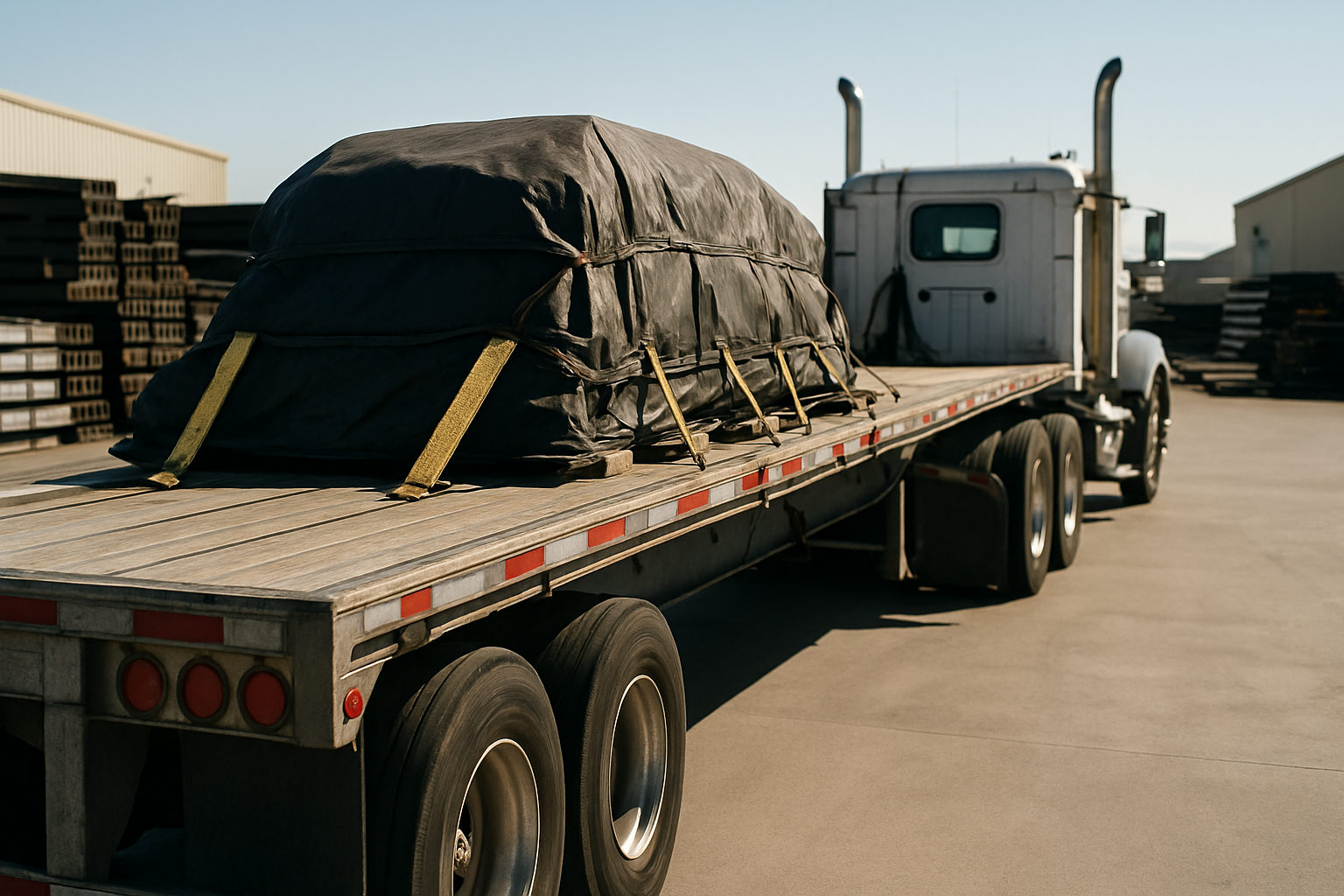
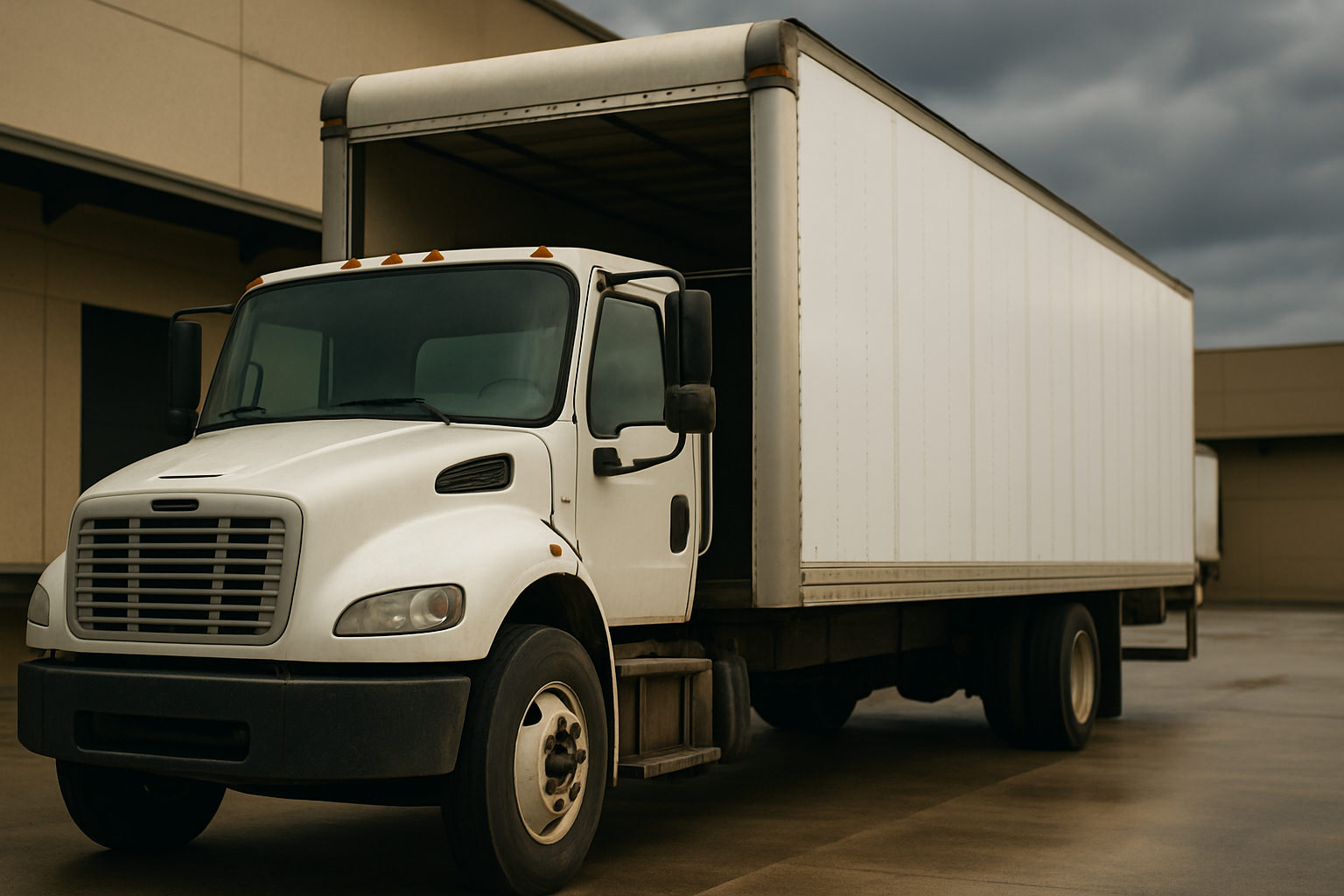
| General dry van freight | $100,000 | $70 to $125 a month typically ($800 to $1,500 a year), ranging as low as $40 or as high as $250 depending on lanes and loss history |
| Reefer (produce, temperature-sensitive) | $100,000 to $250,000 | Full reefer packages (liability, cargo, and physical damage combined) typically run $1,000 to $2,500 a month, per JDW Truckers Insurance |
| High value or electronics | $250,000+ | $400 to $800+ a month, per LogRock |
| Hazmat / tanker | $100,000 to $1,000,000+ | Roughly $960 to $1,240+ a month for $1 million in liability coverage per truck, per MoneyGeek* |
*Note: the hazmat/tanker figure above reflects the liability portion of a combined package. Cargo coverage for hazardous materials is typically priced separately from liability and can add several hundred dollars a month on top, depending on the hazard class hauled, the cargo limit selected, and the carrier's underwriting appetite for that commodity.
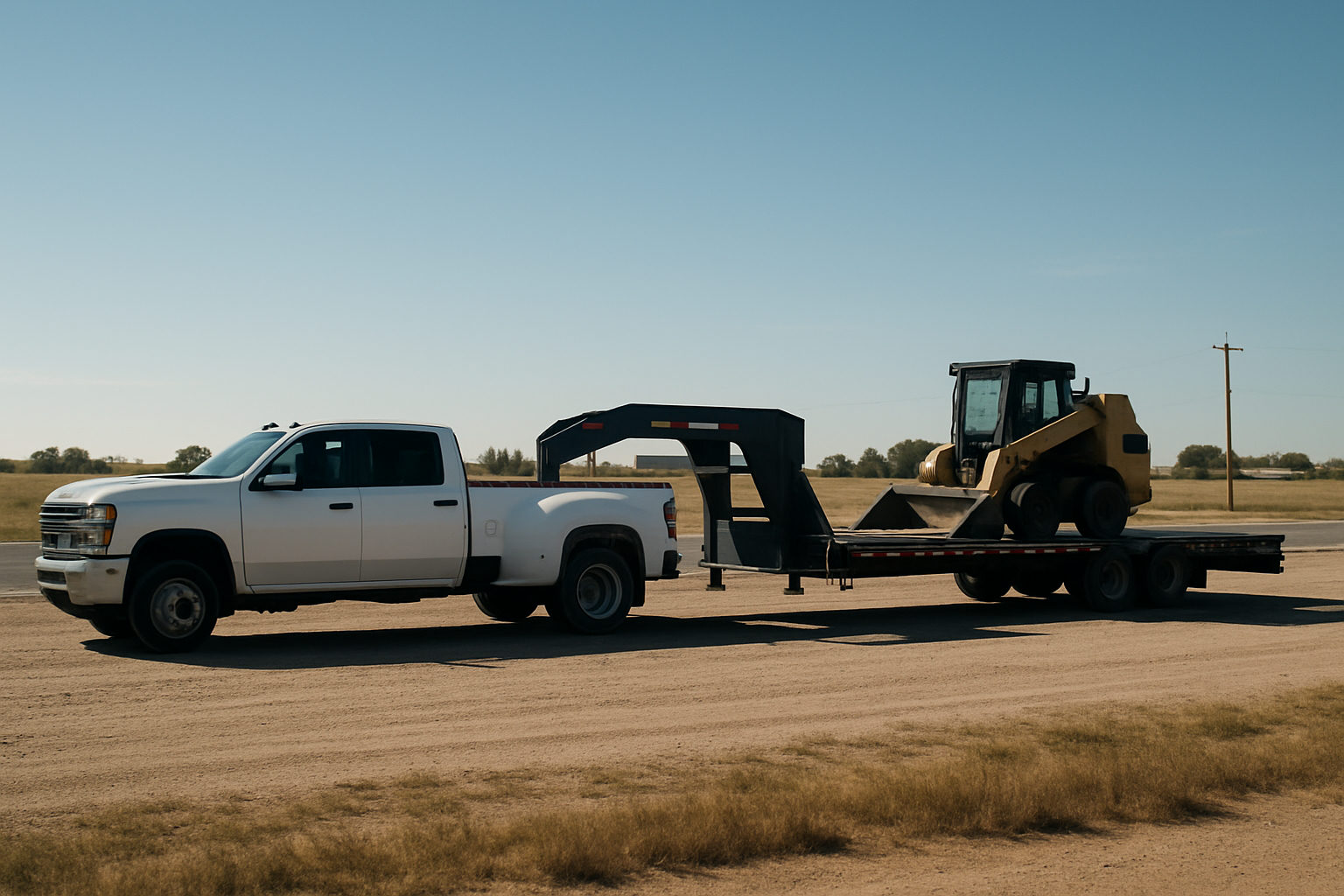
If you specifically haul in a hotshot setup, the math changes a bit because of trailer type and typical loads. Our hotshot insurance cost breakdown digs into those numbers separately.
A worked example: two owner-operators, two very different bills
Say you run a dry van hauling packaged consumer goods regionally, with three years of clean claims history and a $1,000 deductible. You would likely land near the middle of that $70 to $125 a month range for a $100,000 cargo limit, maybe $90 to $110 once liability and physical damage are bundled in.
Now say a different operator is new to authority, hauls reefer loads of produce across five states, and just switched carriers after a lapse in coverage. That operator could easily see a combined package in the $1,500 to $2,500 a month range, driven by the higher claim severity tied to spoilage risk and the lack of an established safety record. Same industry, very different bill, and the gap comes almost entirely from freight type and driving history rather than the truck itself.
What factors push freight insurance rates up or down?
Your rate is driven mainly by what you haul, your claims and driving history, your radius of operation, and the deductible you choose. Underwriters weigh each of these differently, but they all move the number.
- Type of freight: High theft or high spoilage cargo (electronics, alcohol, produce, pharmaceuticals) costs more to insure than palletized dry goods.
- Cargo value and limit: A $250,000 limit costs more than a $100,000 limit, obviously, but the jump is not always linear. Some carriers price steep increases above certain thresholds.
- Driving record and experience: New authority carriers and drivers with recent violations or at-fault accidents typically see higher premiums across every line of coverage, not just cargo. According to FMCSA safety data, carriers with higher CSA scores or recent violations are statistically more likely to be involved in a crash, which is part of why underwriters price new-authority operators and drivers with recent incidents higher across the board.
- Radius of operation: Long-haul, multi-state operations often price differently than short-haul or regional runs, partly because of theft exposure at unattended stops.
- Security measures: GPS tracking, load locks, and secured parking can sometimes reduce cargo premiums, depending on the carrier.
- Deductible: A higher deductible ($2,500 or $5,000 instead of $1,000) lowers the monthly premium but means more out of pocket if a claim happens.
How much cargo insurance coverage do I actually need?
Most shippers and brokers require at least $100,000 in motor truck cargo coverage before they will tender you a load, and some require more for specialized freight. The right number depends on the value of what you typically haul, not a one-size-fits-all figure.
Cargo insurance is separate from the liability limits FMCSA requires. Under 49 CFR Part 387, interstate carriers hauling general non-hazardous freight at 10,001 lbs GVWR or more must carry at least $750,000 in public liability coverage, though in practice most brokers and shippers now ask for $1,000,000 as the working standard. Oil and many hazardous materials require $1,000,000, and bulk explosives, poison gas, and hazardous substances require $5,000,000. This section is for informational purposes only. Confirm current figures and how they apply to your operation directly through FMCSA, and check with your state department of insurance or a licensed insurance agent too, since federal minimums do not cover every intrastate wrinkle.
Cargo insurance, on the other hand, is not a federal mandate in the same way. It is largely a contractual requirement set by the broker or shipper you work with. Read your contracts carefully. If a broker requires $250,000 in cargo coverage and you are only carrying $100,000, you could get turned away from a load or find yourself underinsured after a claim.
How is freight insurance different from motor truck cargo or general liability?
"Freight insurance" is really just a plain-English term people use for motor truck cargo insurance, which covers the freight you are physically hauling if it is lost, damaged, or stolen while in your care, custody, and control. It is not the same as primary liability, which covers bodily injury and property damage you cause to others on the road, and it is not general liability, which covers things like slip-and-fall claims at a warehouse or loading dock.
A full insurance package for an owner-operator typically includes primary liability, motor truck cargo, physical damage on the truck and trailer, and often non-trucking liability or occupational accident coverage depending on your setup. If you run under your own authority versus leasing to a carrier, the mix of policies you need changes. Our guide to truck insurance by vehicle type breaks down which coverages matter most for different equipment, whether you run reefer, tanker, or dry van.
Does freight insurance cost vary by state?
Yes, and often more than people expect. States differ in claims patterns, theft rates, weather exposure, and how their courts handle liability disputes, all of which feed into how carriers price cargo and liability coverage in that state. A dry van operator based in a state with heavy freight theft along major interstate corridors may see higher cargo premiums than one running similar freight in a lower-theft region, even with an identical driving record. If you want a state-specific starting point, our state-by-state trucking insurance guide covers typical costs and requirements for the states we serve, including detailed pages for states like Texas, Florida, and Georgia.
How do you get cheaper freight insurance without cutting corners?
The fastest way to lower your freight insurance cost is to compare quotes across multiple carriers instead of renewing with whoever wrote your first policy. Rates for the same cargo limit and freight type can vary significantly between carriers, and a broker who works with several markets can usually find a better fit than sticking with one insurer by default.
Beyond shopping around, a few practical moves tend to help: raise your deductible if you can absorb the risk, install basic security measures like GPS tracking, keep a clean driving record, and avoid gaps in coverage, since a lapse often triggers a new-authority-style rate reset even if you have years of experience. Our trucking insurance tips page covers more ways owner-operators keep premiums manageable without sacrificing the coverage that actually protects them.
Frequently Asked Questions
Continue reading
- Commercial truck insurance
- Compare truck insurance quotes
- Pickup Truck Insurance Online Quote: What You Need First
- Pickup Truck Insurance: Personal vs Commercial Coverage Guide
- Commercial Auto Fleet Insurance Illinois: What It Costs
- Coverages we offer for owner-operators & fleets
- Common questions about trucking insurance
Ready to compare rates? Get a free trucking insurance quote from carriers built for insurance tips.
Ready to Get Started?
Get personalized insurance quotes tailored to your business