Insurance for Hotshot Drivers: What You Actually Need
Get Your Free Insurance Quote
Compare quotes from top carriers in minutes
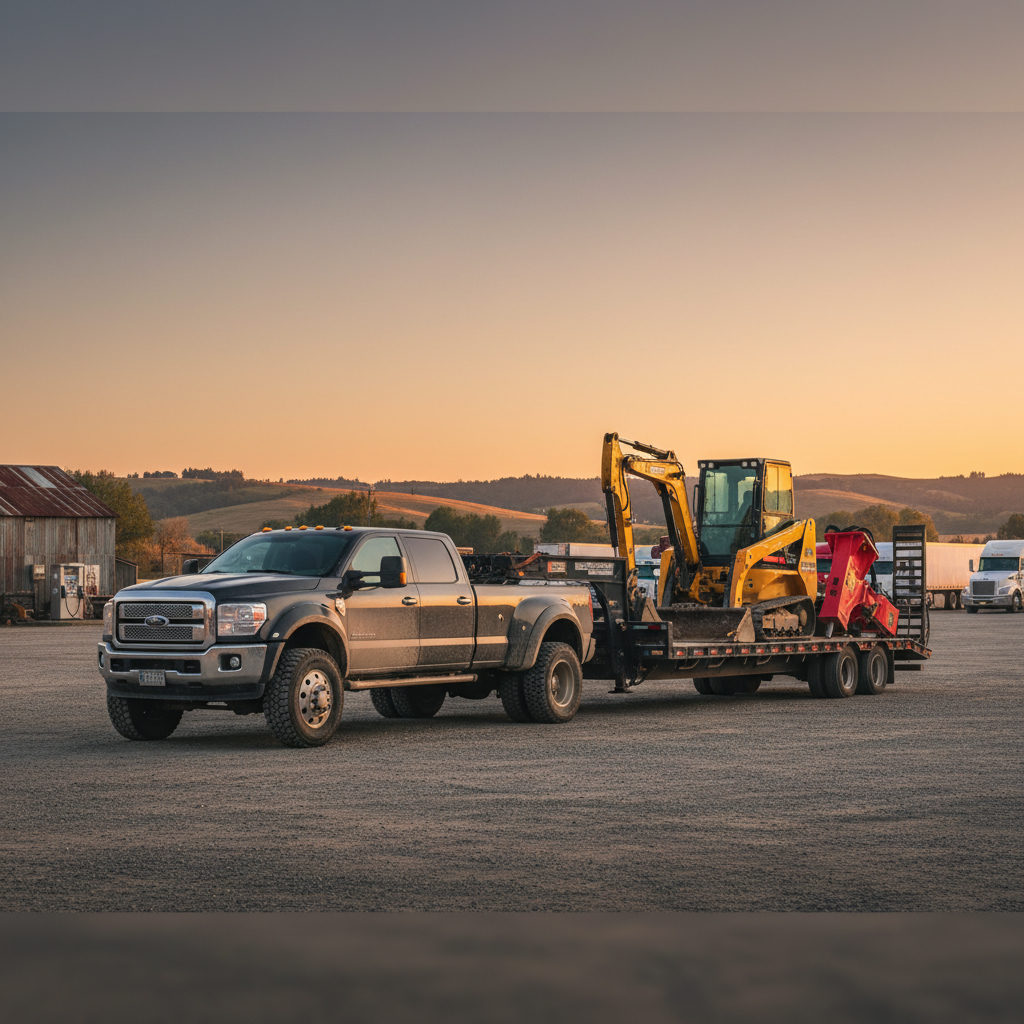
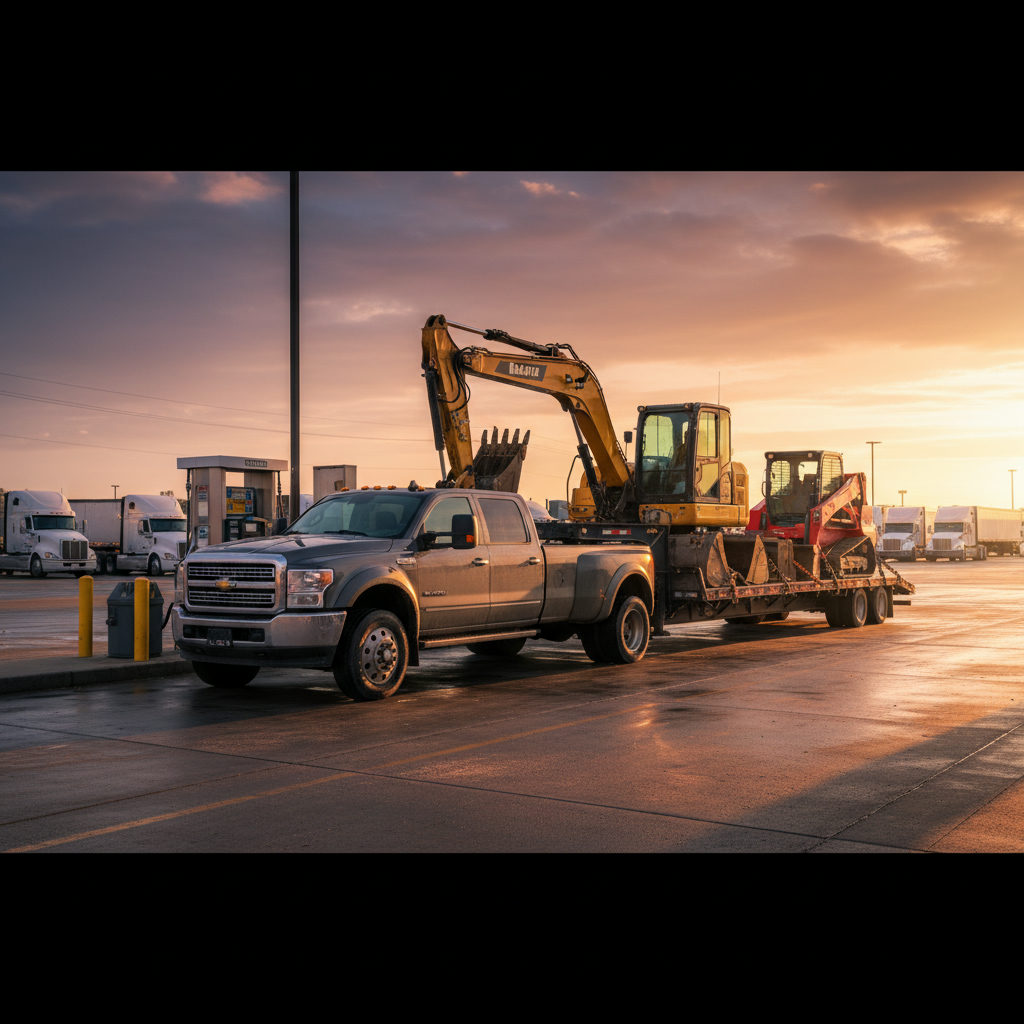
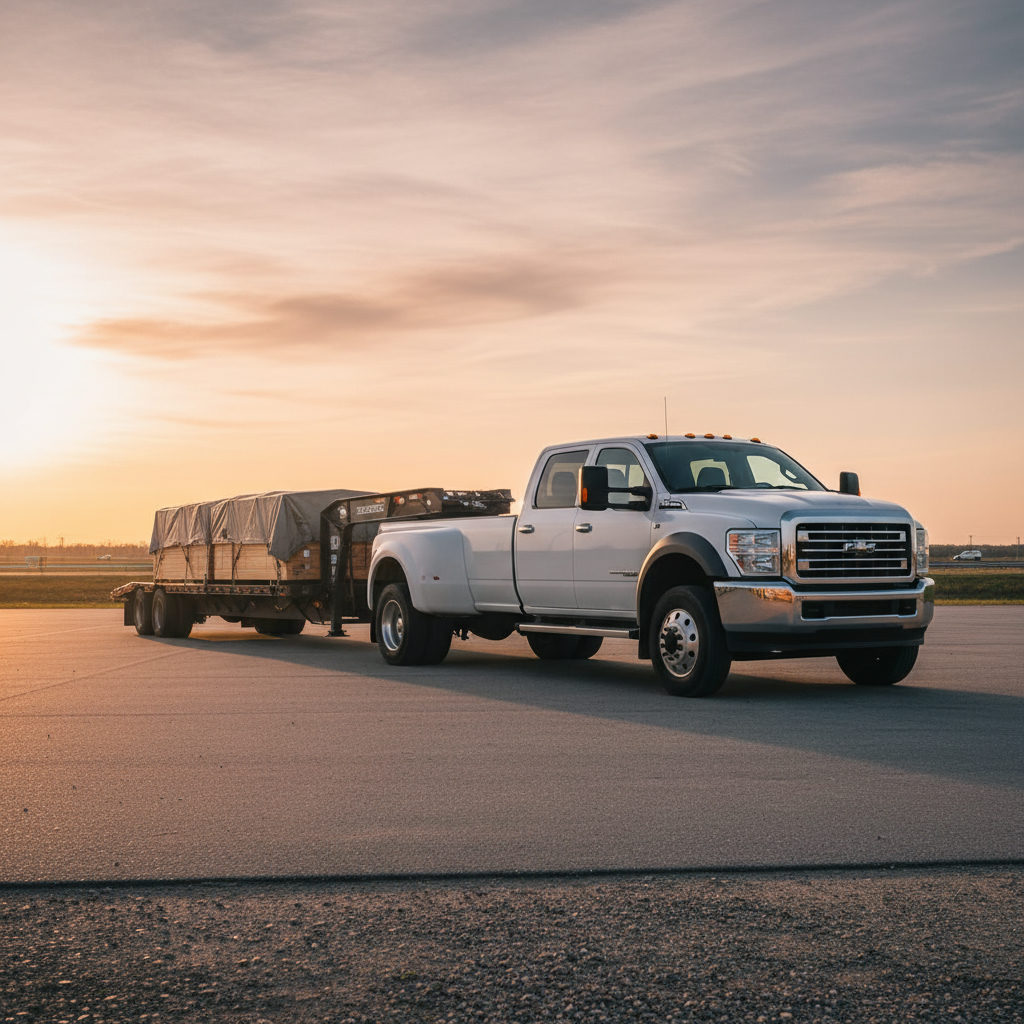
Insurance for hotshot drivers is not a single policy you can buy off a shelf. It's usually a combination of primary liability, motor truck cargo, physical damage on your truck and trailer, and sometimes non trucking liability or occupational accident coverage, depending on how you run. If you're pulling a gooseneck or bumper pull with a one ton dually, your risk profile and paperwork requirements are different from a semi pulling a 53 foot van, and your policy needs to reflect that.
The short version: if you have your own DOT authority and haul for hire, you need primary liability at minimum $750,000 for general freight (most brokers and shippers actually require $1,000,000), plus cargo coverage sized to what you haul. If you lease to a carrier, your coverage picture changes again. Let's walk through it.
What does insurance for hotshot drivers actually cover?
Insurance for hotshot drivers is the combination of policies that protects your liability, your cargo, and your own truck and trailer while you run loads for hire. It covers the liability, cargo, and physical damage exposure that comes with running a hotshot rig for commercial purposes. That typically breaks into four pieces:
- Primary liability: pays for injury or property damage you cause to someone else. This is the coverage FMCSA requires you to carry if you have your own authority.
- Motor truck cargo: covers the freight you're hauling if it's damaged, stolen, or lost in a wreck.
- Physical damage: covers your own truck and trailer for collision and comprehensive losses.
- Non trucking liability: covers you when you're driving under your own authority but not under dispatch, sometimes called bobtail coverage in other equipment classes.
Whether you need all four, or just liability and cargo, depends on whether you own your rig outright, lease it, or lease on to a carrier. A broker who works with hotshot operators specifically can sort that out faster than a general agent who mostly quotes dry van fleets.
How much does hotshot insurance cost for drivers?
Cost varies a lot based on your equipment, radius, freight type, and driving record, so there's no single number that applies to everyone. Based on what we've typically seen quoted for owner operators in this space as of March 2025, annual premiums for hotshot liability and cargo have generally landed somewhere in the low to mid four figures for a clean MVR and a year or more of experience. That's a broker-observed range, not a quote, and it moves quickly with claims history, state, and freight class, so treat it as a starting point for conversation rather than a number to budget against. Tanker or hazmat hauling on a hotshot rig will run higher because of the increased liability exposure.
To make that more concrete: an owner operator with a clean MVR, a one ton dually, and a regional radius under 500 miles might see combined liability and cargo premiums fall somewhere around $4,000 to $6,000 a year, based on typical broker quotes as of March 2025. Add hazmat, a longer haul radius, or a thinner driving history, and that range shifts upward.
New authority is its own category. Carriers that just got their MC number often see higher rates for the first year or two simply because there's no claims history to price against. If you're in that boat, it helps to talk to a broker who has actual new authority programs rather than guessing at a quote built for an established fleet.
For a deeper cost breakdown by equipment type and experience level, see our full guide on hotshot insurance cost by equipment type, and if you want the basics on how premiums get calculated in the first place, how hotshot insurance premiums are calculated covers that in plain terms.
What's the minimum liability coverage hotshot drivers need?
The federal floor is $750,000 in public liability for interstate hauling of general, non hazardous freight at a GVWR of 10,001 pounds or more, under 49 CFR Part 387. In practice, almost no broker or shipper will book you at that minimum. Most require $1,000,000, so treat that as the real working standard rather than the legal floor. If you're hauling oil or many hazardous materials, the federal minimum jumps to $1,000,000, and for explosives, poison gas, or hazardous substances hauled in bulk it goes to $5,000,000.
These figures are federal and apply the same way regardless of which state you're based in, though some states layer additional intrastate rules on top. You can read the underlying regulation directly at the full text of 49 CFR Part 387 on ecfr.gov or check FMCSA's own guidance at fmcsa.dot.gov. Because requirements can shift by freight type and by state add ons, it's worth confirming your exact limit with FMCSA or your state's department of insurance before you bind a policy.
Federal minimum liability by freight type
| Freight type | Federal minimum | Typical market requirement |
|---|---|---|
| General non hazardous freight | $750,000 | $1,000,000 |
| Oil and many hazardous materials | $1,000,000 | $1,000,000 or higher |
| Explosives, poison gas, bulk hazardous substances | $5,000,000 | $5,000,000 |
Do hotshot drivers need cargo insurance separate from liability?
Yes. Liability only covers damage or injury you cause to other people or their property, not the freight sitting on your trailer. Motor truck cargo insurance is a separate line that reimburses you or the shipper if the load is damaged, stolen, or destroyed while it's in your care. Most brokers and shippers will require proof of cargo coverage before they'll tender a load to you, and the limit they ask for depends on what you're hauling. A flatbed hauler moving construction equipment needs a higher cargo limit than someone moving palletized dry goods.
If you're not sure what limit to carry, look at the value of the loads you actually get offered. Carrying $100,000 in cargo coverage does nothing for you if you're regularly asked to haul equipment worth three times that.
What's the difference between hotshot insurance and regular trucking insurance?
The main differences are equipment class, radius of operation, and how underwriters view the risk. Hotshot rigs, usually a one ton or heavy duty pickup pulling a gooseneck or bumper pull trailer, are underwritten differently than a Class 8 semi pulling a dry van, even though both need the same basic FMCSA liability minimums if they're over 10,001 pounds GVWR and hauling interstate. Underwriters look at things like whether you're running expedited freight, your typical haul distance, and whether you're new to hotshot specifically versus experienced in trucking generally.
If you're comparing hotshot coverage against other equipment types you might also run, our page on truck insurance by vehicle type breaks down how reefer, flatbed, tanker, and box truck coverage differ from hotshot rigs. And if you want a hotshot specific starting point, our hotshot coverage overview page outlines what we typically quote for that equipment class.
Does where you're based affect your hotshot insurance rate?
Yes, state matters, both because of intrastate rules that sit on top of the federal minimums and because underwriters price risk differently by region based on claims data, weather, and traffic density. If you're trying to figure out what applies in your state specifically, our state by state trucking insurance requirements guide lists state specific pages so you can see requirements and typical considerations where you actually operate, in the states we serve.
Frequently Asked Questions
Continue reading
- Semi Truck Insurance in Texas: What You Actually Need
- How Much Is Hotshot Insurance? 2026 Cost Guide
- Hotshot Truckers Insurance: What Coverage You Actually Need
- Common questions about trucking insurance
- Coverages we offer for owner-operators & fleets
- Trucking insurance requirements by state
Ready to compare rates? Get a free trucking insurance quote from carriers built for insurance tips.
Ready to Get Started?
Get personalized insurance quotes tailored to your business