Trucking Insurance Cost in 2026: What Owner Operators Pay
Get Your Free Insurance Quote
Compare quotes from top carriers in minutes
Trucking insurance cost varies a lot, but as of September 2026 most owner-operators running a dry van under their own authority are looking at roughly $9,000 to $16,000 a year for primary liability, with physical damage, cargo, and non-trucking liability added on top. That is a wide range on purpose. Your number depends on your equipment, your driving record, how long you have held your own DOT number, and where you run. Below is how the pieces actually add up, and where drivers waste money without realizing it.
How much does trucking insurance cost per truck?
For a single truck running dry van freight interstate, total annual cost for a full package (primary liability, cargo, physical damage, and non-trucking liability) commonly lands somewhere between $12,000 and $22,000, as a typical market range for late 2026. New authority carriers, meaning businesses with a DOT number less than two or three years old, usually pay more because underwriters have less history to judge risk on. That premium bump can ease off after your first renewal if you run clean.
Federal rules set the floor on liability coverage, not the ceiling on what you'll pay. Under 49 CFR Part 387, interstate carriers hauling general freight with a GVWR of 10,001 lbs or more need at least $750,000 in public liability coverage. In practice, almost every broker and shipper you'll work with requires $1,000,000, so treat that as the real working minimum, not the legal one. Hazmat and oil hauling requires $1,000,000, and bulk explosives, poison gas, and hazardous substances require $5,000,000. You can read the exact language at fmcsa.dot.gov or in the current regulatory text at ecfr.gov, and it's worth confirming any figure with FMCSA or your state department of insurance before you rely on it for a business decision.
What factors actually drive your premium up or down?
Your premium is built from a handful of specific inputs, not a mystery formula. The biggest levers are your years of experience under your own authority, your CSA score and any recent accidents, the radius you run, your equipment type and its value, and your claims history over the last three to five years. A single at-fault accident with a cargo loss can raise your renewal noticeably, sometimes for two or three years running. Drivers who run the same lanes with the same shippers and keep a clean inspection history tend to see the most stable pricing over time.
Your choice of coverage also matters. Skipping non-trucking liability to save money, then using the truck for personal miles, can leave you with no coverage at all if something happens off dispatch. That is a real gap, not a hypothetical one.
How does cost differ by truck type?
Equipment type changes the math because it changes both the value at risk and the freight risk. The table below gives rough, non-binding ranges as of September 2026 for a single truck with a clean record; your actual quote will differ. If you run refrigerated freight, our reefer breakdown coverage guide goes deeper on spoilage exposure, and our flatbed insurance page covers load securement questions specific to open-deck freight.
| Equipment | Typical annual liability range | Main cost driver |
|---|---|---|
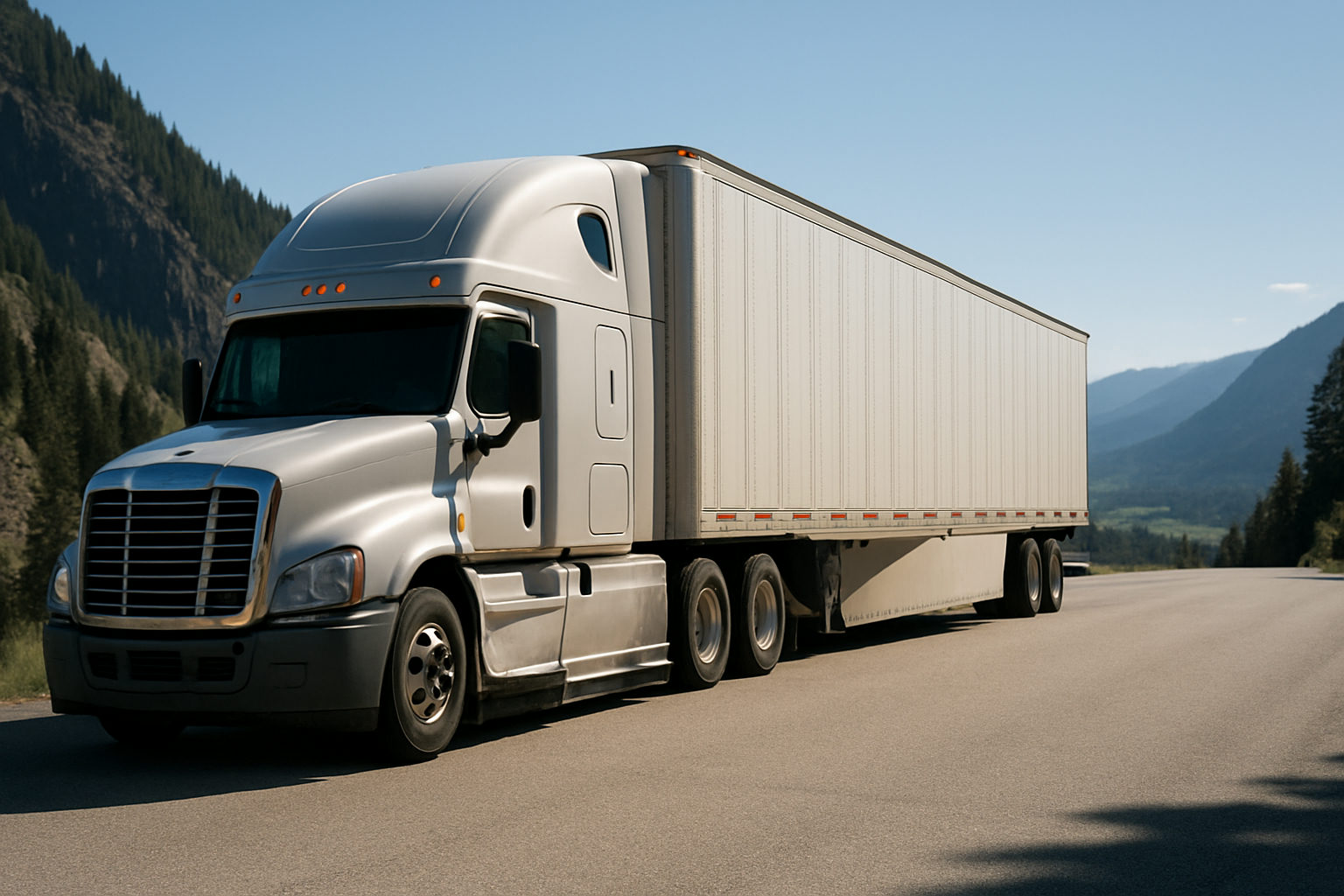
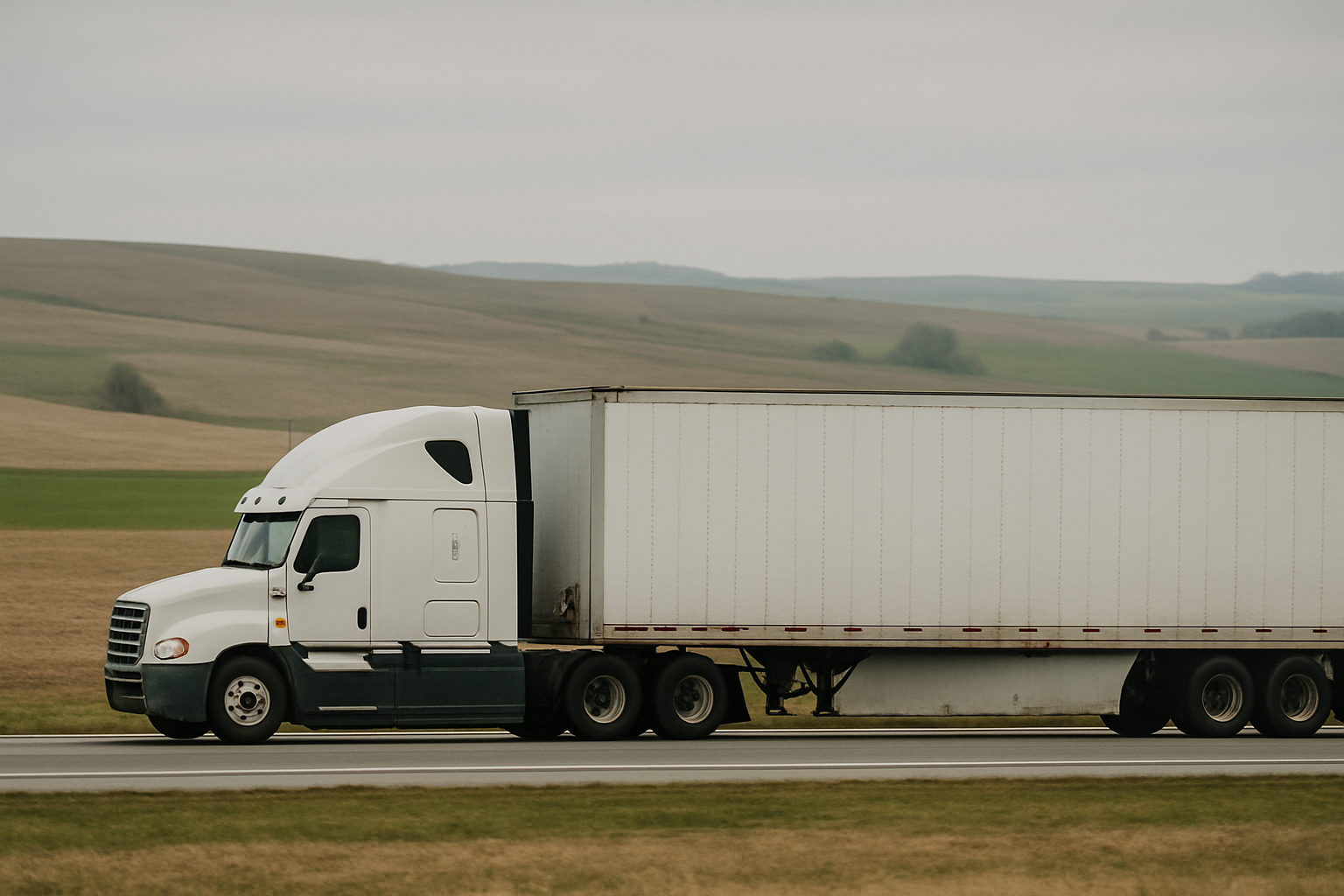
| Dry van | $9,000 to $16,000 | General freight risk, mileage |
| Reefer | $11,000 to $18,000 | Cargo spoilage exposure |
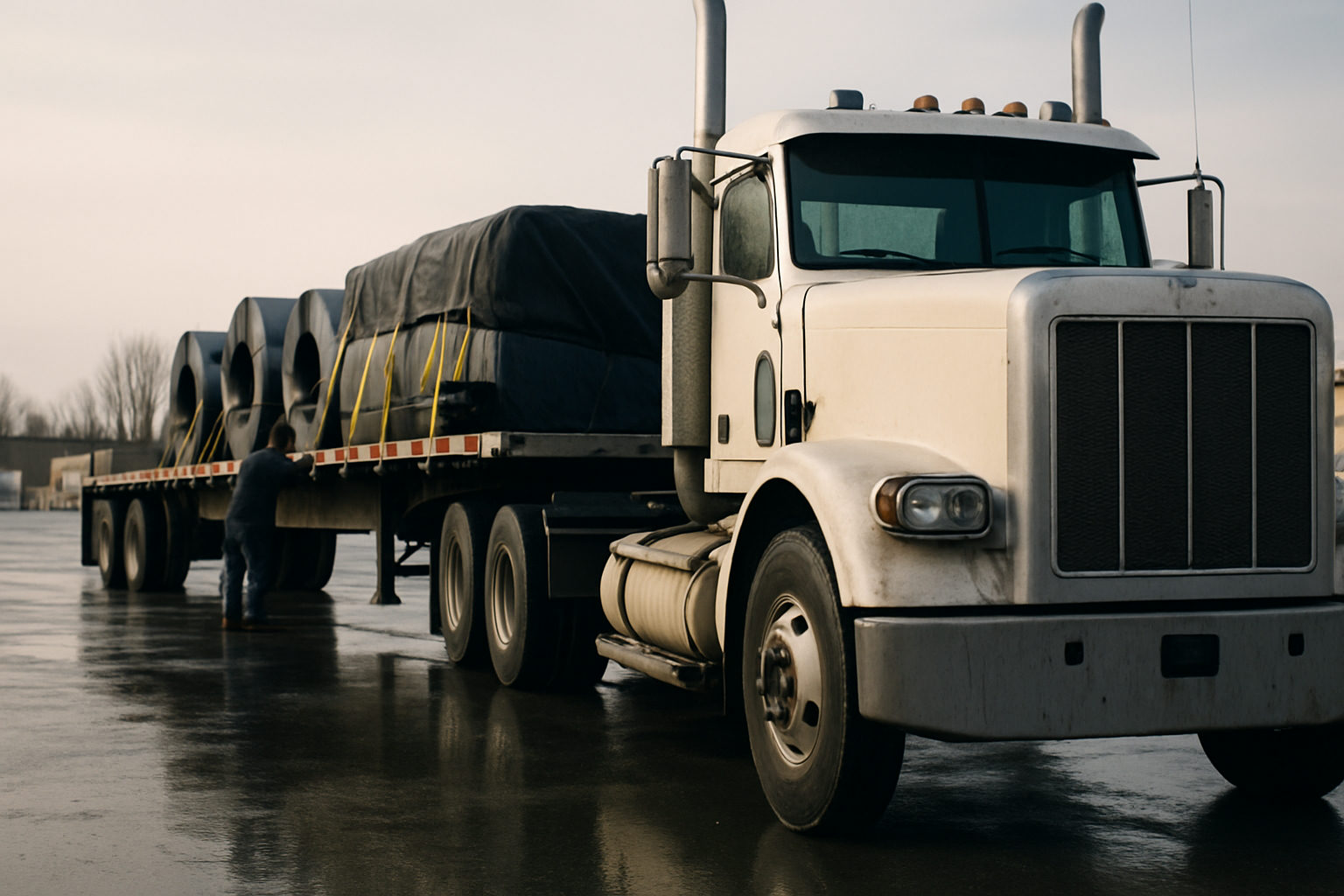
| Flatbed | $10,000 to $17,000 | Load securement claims |
| Tanker or hazmat | $14,000 to $25,000+ | Higher required limits, spill risk |
| Box truck or hotshot | $7,000 to $13,000 | Lower GVWR, shorter hauls |
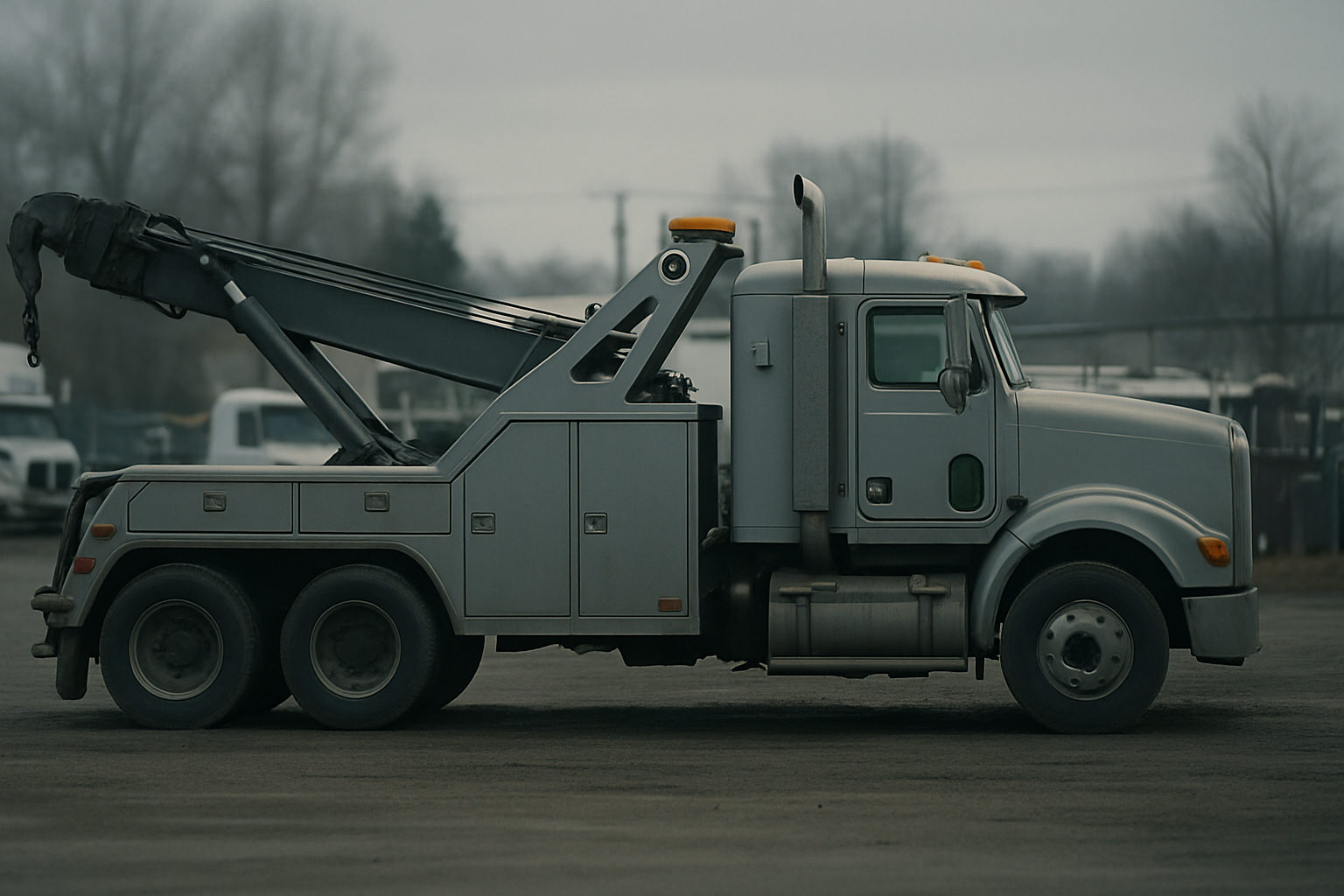
| Tow truck | $10,000 to $19,000 | On-hook and garagekeepers exposure |
If you run hotshot loads specifically, the cost picture is different enough that it deserves its own breakdown. Our guide to hotshot truck insurance cost walks through pickup and gooseneck rating quirks that don't apply to bigger rigs, and our reefer truck insurance page covers refrigerated equipment in more detail if that's your setup.
How can you lower your trucking insurance cost without cutting coverage?
The fastest legitimate way to lower cost is to shop your policy across multiple carriers before you assume your renewal price is fixed. Rates for the exact same driver and truck can differ by thousands of dollars between carriers because each one weighs your CSA score, radius, and claims history a little differently. Bundling primary liability, cargo, and physical damage with one carrier sometimes earns a package discount, but not always, so it is worth comparing both ways.
Other things that genuinely move your number: raising your physical damage deductible if you can absorb a bigger out of pocket hit, tightening your radius if most of your freight is regional anyway, and fixing small CSA violations before your renewal date instead of after. For example, a driver who raises their physical damage deductible from $1,000 to $2,500 can sometimes see a few hundred dollars shaved off the physical damage line at renewal, though the exact savings depend on the carrier and the truck's value. Similarly, a driver who tightens their operating radius from a 48-state footprint down to a 500-mile regional lane may see underwriters treat the risk differently simply because there is less exposure on the road at any given time. None of these are guaranteed to lower your specific quote, but they are the levers underwriters actually look at.
Does a lapse in coverage raise your rate?
Usually, yes. A lapse in coverage does not just leave you exposed on the road, it also tends to make your next policy more expensive and harder to bind. Trucker Path Insurance tracked 47,234 FMCSA insurance cancellation filings nationwide between April 6, 2026 and May 25, 2026, based on our own analysis of FMCSA filing data. That is a large number of carriers who had a policy canceled in a roughly seven week window, whether from non-payment, non-renewal, or a carrier exiting a market. Every one of those cancellations gets filed with FMCSA and is visible to underwriters, which means a gap on your record can follow you into your next quote even if the lapse only lasted a few days.
If your current carrier drops your BMC-91 filing, you cannot legally run until a new filing is active. That is one more reason to start shopping for a renewal a few weeks early rather than waiting until the week your policy expires.
Frequently Asked Questions
Continue reading
- Commercial truck insurance
- Compare truck insurance quotes
- Flatbed Truck Insurance Massachusetts: What It Costs
- Autonomous Truck Insurance Costs After the Beacon Rule: A Cost Drivers Guide
- Autonomous Truck Warning Beacon Insurance Liability
- Coverages we offer for owner-operators & fleets
- Common questions about trucking insurance
Ready to compare rates? Get a free trucking insurance quote from carriers built for insurance tips.
Ready to Get Started?
Get personalized insurance quotes tailored to your business