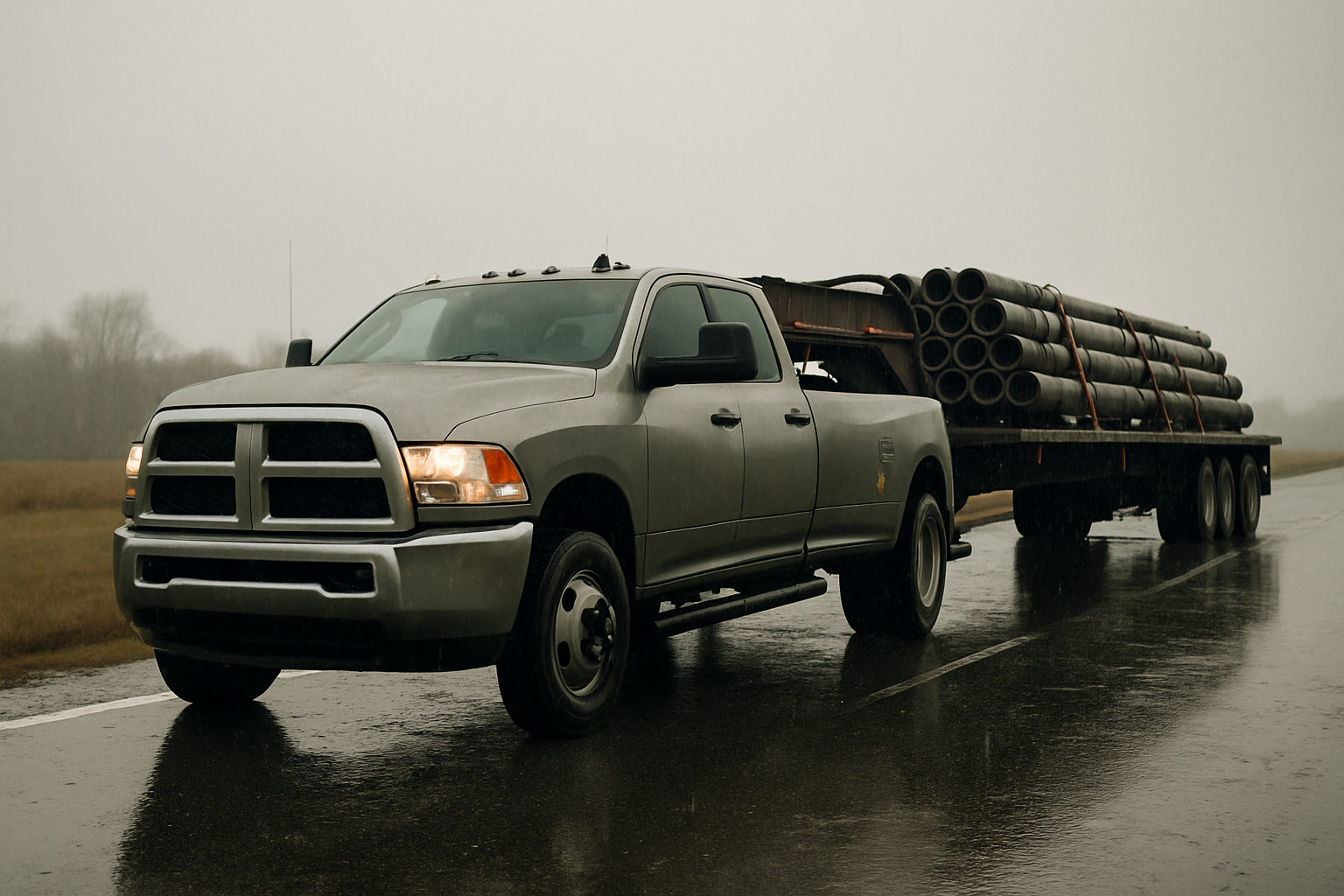
Trucking Regulations
Florida Minimum Insurance for Hotshot Trucking: What Applies to You
Florida hotshot minimums depend on your GVWR and whether you run interstate or intrastate. Here is how to tell which rules apply to your rig.
Market Editor
Grant Holloway covers the market for Trucker Path Insurance — where commercial auto and cargo rates are heading, which carriers are writing new business, how freight conditions feed through into premiums, and what a hard or soft market means for a five-truck fleet rather than a national account.
He leans on the numbers Trucker Path Insurance can see directly: quoted and bound premiums across its own book, FMCSA registration volume, and published carrier filings.
Everything published under this byline is checked against FMCSA filing data and reviewed by the licensed agents on the Trucker Path Insurance team before it goes live.
Florida hotshot minimums depend on your GVWR and whether you run interstate or intrastate. Here is how to tell which rules apply to your rig.
Michigan trucking companies need federal liability minimums plus the state's own no-fault and intrastate rules. Here's what actually applies and what it costs to stay compliant.

FMCSA paused USDOT deactivations for missed biennial updates, but insurance filings and premiums keep moving. Here is what the pause actually costs and protects.
There is no single DOT BMI cutoff, but a high BMI can trigger sleep apnea testing that costs hundreds to thousands of dollars. Here is what drives that number.
CDL hours of service rules cap driving at 11 hours a day. See the full limits table, sleeper-berth and short-haul details, and what violations actually cost.
Reefer breakdown coverage adds a separate premium on top of cargo insurance, and the price swings on trailer age, unit brand, ownership versus leasing, and your deductible choice.
You can get hot shot auto insurance quoted and bound online in most cases, but a few coverage details still need a phone call. Here is what to check first.

Step by step: claim your USDOT number in Motus, then file your biennial update. It is free, it takes about 20 minutes, and here is where people get stuck.
Getting your own trucking authority costs more than the MC number filing fee. Here is a realistic breakdown of filings, insurance, and ongoing costs.
The 72 hour DOT inspection is CVSA's International Roadcheck. Here is when it's expected to land in 2026, what inspectors check, and how to get your rig ready.
Truck insurance rates vary by state because of traffic density, lawsuit trends, and state minimums. Here is what actually moves your premium, with sample rate ranges and how to compare quotes smartly.
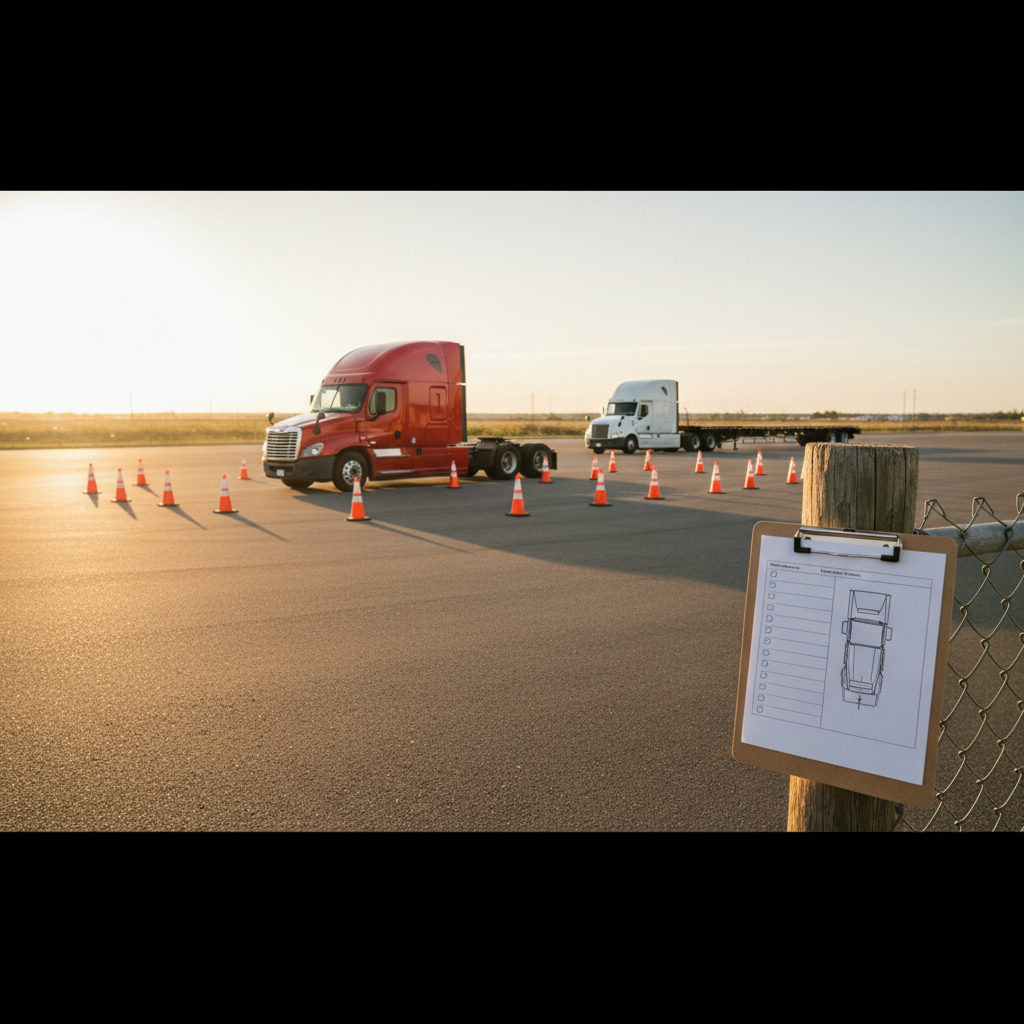
CDL costs vary widely by state and school choice, typically ranging from a few hundred to several thousand dollars once you add training, testing, and endorsements.
Semi truck insurance in Texas starts at federal minimums, but most shippers and lenders require more. Here is what coverage, filing, and pricing actually look like.
A trucking insurance designation is the FMCSA filing proving your liability coverage. See what BMC-91 covers, the real limits, and how it differs from cargo filings, UCR, and BOC-3.

What a $100,000 motor truck cargo policy costs in 2026, the factors that move your premium, and how to keep reefer and high theft loads affordable.
Everything owner-operators and fleets need to know about the MCS-150 Motor Carrier Identification Report — what it is, when to file, biennial updates, and how it affects your DOT authority.
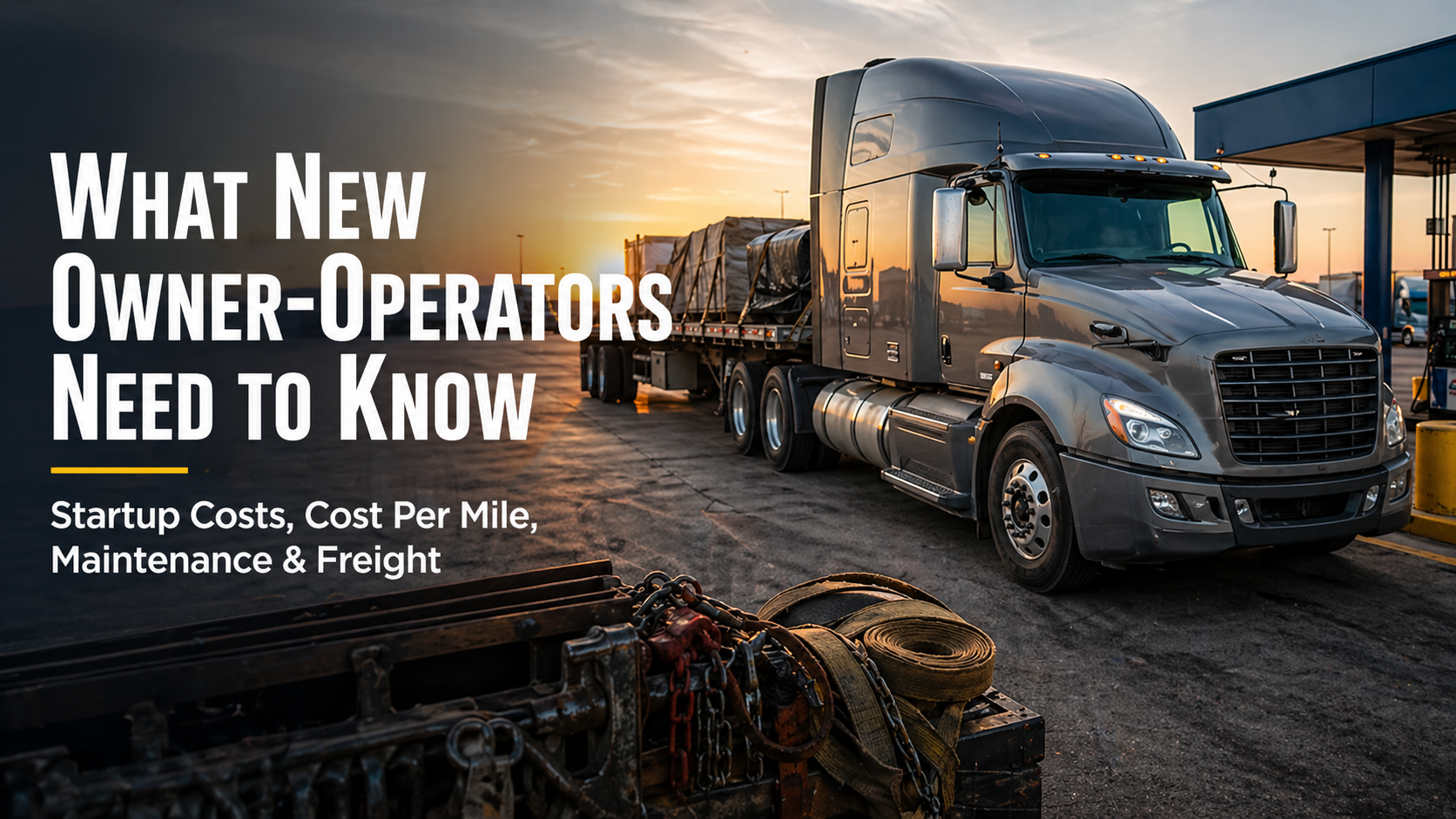
A practical guide for new owner-operators covering startup costs, cost per mile, maintenance, freight markets, insurance, health, and common mistakes before buying a truck.